
Pyrosleeve - PGHB.4
High Temperature Basalt Sleeving for Euro 6/VI HGV & Exhaust Systems
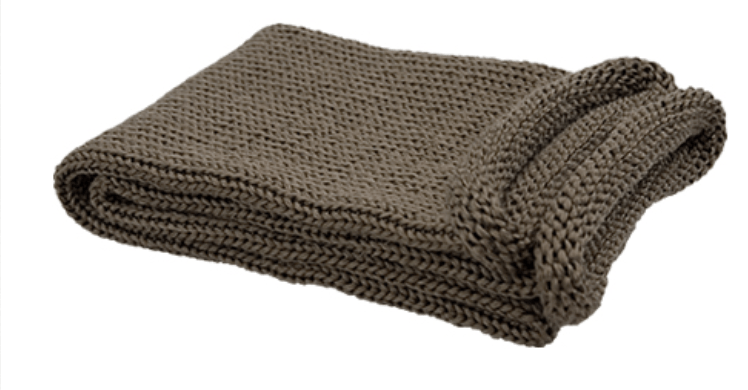
PGHB.4 High Temperature Basalt Sleeving is manufactured from high-performance basalt fibre yarn, knitted to form a thick-walled, flexible sleeve. Designed for demanding thermal applications, PGHB.4 provides high-temperature insulation and mechanical protection up to 750°C continuous, making it particularly suitable for vehicle exhaust systems, HGVs, commercial vehicles and industrial applications.
Why Basalt Fibre for Exhaust Systems?
Basalt fibre is manufactured from naturally occurring volcanic basalt rock. The mineral composition of basalt gives the resulting fibre excellent thermal stability together with good resistance to moisture, chemicals and mechanical wear.
These properties make basalt fibre particularly well suited to vehicle exhaust systems, where thermal protection must withstand much more than high temperature alone. Exhaust components underneath HGVs, buses and commercial vehicles can be exposed to water, road spray, road salts, dirt, vibration and abrasion throughout their service life.
Basalt fibre has low moisture absorption and good chemical durability, helping the sleeving maintain its performance in demanding environments. Combined with its high-temperature resistance and robust knitted construction, basalt provides an effective material for exhaust heat protection and thermal insulation.
Developed for Euro 6/VI HGV Exhaust Systems
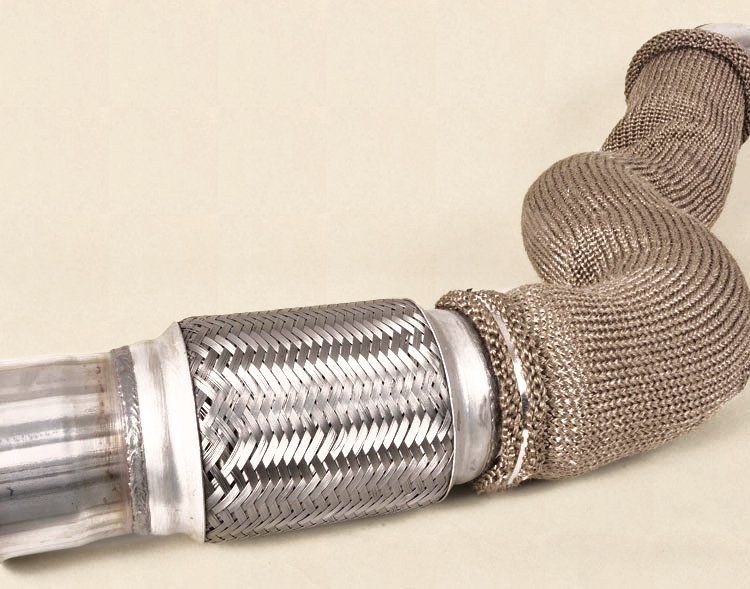
We developed PGHB.4 thick-walled basalt sleeving specifically to address the thermal-management requirements of modern Euro 6/VI HGV exhaust and SCR systems. Modern heavy-duty vehicles use sophisticated exhaust after-treatment systems, including Selective Catalytic Reduction (SCR), AdBlue and catalytic converters. Maintaining exhaust-gas temperature is important to the effective operation of these systems. The 4–5 mm thick-wall construction provides increased thermal insulation and coverage compared with lightweight sleeving, while the knitted structure allows the sleeve to conform around exhaust components and flexible couplings.
PGHB.4 helps to retain heat within the exhaust system, reducing heat loss as exhaust gases travel towards catalytic and SCR components. The thick-walled construction provides increased thermal insulation while also helping protect adjacent components from high exhaust temperatures.
Protection for Exhaust, SCR & AdBlue Components
PGHB.4 can be used to provide thermal protection around:
- Exhaust pipework and components
- SCR system components
- AdBlue hoses and associated components
- Sensor wiring and electrical cables
- Hoses positioned close to exhaust systems
- Components requiring protection from radiant or conducted heat
The combination of basalt fibre, thick-wall construction and flexible knitted design provides thermal insulation alongside resistance to abrasion, vibration, moisture and demanding environmental conditions.
Key Benefits of PGHB.4
- 750°C continuous temperature protection
- Manufactured from high-performance basalt fibre
- Thick-walled construction for enhanced thermal insulation
- Helps retain heat within exhaust systems
- Low moisture absorption
- Good chemical and environmental durability
- Suitable for exposure to road spray and road salts
- Good resistance to abrasion and vibration
- Flexible knitted construction for ease of installation
- Suitable for demanding automotive and industrial applications
Typical applications include:
- HGV & EURO 6/VI vehicles
- Buses & commercial vehicles
- SCR and AdBlue systems
- Exhaust pipework and components
- Power generation units
- Industrial pipe-work
- Hoses and cables
- Exhaust systems
Compliance and Materials Declaration:
PGHB.4 Basalt Sleeving is manufactured using materials selected to meet current European requirements for restricted substances and chemicals.
- POPs compliant – Regulation (EU) 2019/1021 on persistent organic pollutants
- REACH compliant – Regulation (EC) No. 1907/2006
- RoHS compliant – Directive 2011/65/EU, including Amendment 2015/863/EU
- PFAS free
- Conflict Minerals free
These declarations relate to the materials used in the manufacture of PGHB.4. Customers should assess the complete assembled application against any additional regulatory, environmental or industry-specific requirements applicable to their installation.
British Manufactured by Pyroglass
PGHB.4 is manufactured in Britain by Pyroglass Ltd, the specialist textile manufacturer behind the Pyrosleeve brand.
Our experience in high-temperature textile manufacturing allows us to develop specialist sleeving for demanding applications where thermal insulation, component protection and durability are critical.
For further information about PGHB.4 High Temperature Basalt Sleeving, or to discuss your specific application, contact the Pyrosleeve team for technical advice, samples or a quotation.
Availability:
Manufacture Lead-Time: 2 - 3 working days
Internal Diameters available: Ø20mm up to Ø130mm
Nominal thickness: 3mm, 4mm, 5mm & 6mm
Colour: Dark Green
Method of supply: Supplied in boxes of up to 50M in length, or cut to length and supplied in kit form.
Characteristics:
- Continuous thermal protection up to 750ºC.
- Highly conformable / expandable - allowing ease of assembly over awkward shapes and flexible-couplings.
- Thick single wall construction provides optimum coverage and will not snag on exhaust welds etc.
- Highly resistant to most oils, hydraulic fluids, acids, alkalis, and moisture.
- Excellent insulation properties providing protection to personnel and / or sensitive electrical wiring and components running close to the exhaust systems.
- Good abrasion resistance
FAQs
What temperature can PGHB.4 basalt sleeving withstand?
PGHB.4 provides continuous temperature protection up to 750°C
Why is basalt sleeving suitable for exhaust systems?
Basalt fibre combines high-temperature resistance and thermal stability with low moisture absorption and good chemical and mechanical durability, making it suitable for the harsh environment around vehicle exhaust systems.
Why was PGHB.4 developed for Euro 6/VI HGVs?
PGHB.4 was developed to address the thermal-management requirements of modern HGV exhaust and SCR systems, helping retain heat within the exhaust system while protecting adjacent components.
Can PGHB.4 be used around AdBlue hoses?
Yes. PGHB.4 can provide thermal protection for AdBlue hoses and associated components where they are exposed to elevated temperatures.
Can basalt sleeving be used on exhaust pipework?
Yes. PGHB.4 is designed for high-temperature exhaust applications and can be installed around suitable exhaust pipework and components.
Is PGHB.4 suitable for outdoor automotive environments?
Its basalt fibre construction offers low moisture absorption and good durability in demanding environments involving moisture, road spray, road salts, abrasion and vibration.
When standard sleeving isn't enough, PGHB.4 provides a robust, thick-walled thermal barrier designed for the demanding environment around modern vehicle exhaust systems. Developed by Pyroglass for Euro 6/VI HGV applications, it combines high-temperature basalt fibre with a durable knitted construction to help retain exhaust heat while protecting adjacent hoses, cables and components.
| Requirement | Basalt | Glass Fibre |
|---|---|---|
| High-temperature protection | Excellent | Excellent |
| Exhaust applications | Excellent | Good |
| Abrasion resistance | Excellent | Good |
| Flexibility | Excellent | Excellent |
| Chemical resistance | Excellent | Excellent |
| HGV applications | Excellent | Application dependant |
| Electrical insulation | Excellent | Excellent |
| Silicone Coating required | Possible on request | See Pyrosleeve |
Pyrosleeve Ltd operates a policy of continuous technical improvement. We reserve the right, therefore, to modify products without prior notification.
The information provided above does not form a specification. Because Pyrosleeve Ltd cannot be aware of all customer applications, no warranty confirming the fitness or suitability of the product for any particular application can be given. Any proposed use of a Pyrosleeve product should be tested and the performance independently verified.