The Complete Guide to Firesleeves and Pyrosleeves
At Pyrosleeve Ltd, we don't simply manufacture firesleeves...
we engineer thermal protection solutions that our customers can depend on
in the most demanding industrial environments.
Sharing nearly 40 years of British manufacturing expertise in high-temperature protection
Why UKAS Accredited ISO 9001 Matters When Choosing a Firesleeve Manufacturer
UKAS CertCeckWhen sourcing high-temperature protection products such as firesleeve, buyers naturally focus on technical specifications including temperature resistance, flexibility, abrasion resistance and product performance. However, one of the most important indicators of quality often receives far less attention: the manufacturer's quality management system.
A manufacturer certified to ISO 9001 by a UKAS-accredited certification body has demonstrated that its quality management systems have been independently assessed against internationally recognised standards. For engineers, procurement professionals and OEMs, this provides additional confidence that products are manufactured using consistent, controlled and continually improving processes.
At Pyroglass Ltd (the manufacturer of firesleeves and high temperature insulating products), quality has always been at the heart of everything we manufacture. That's why we chose to achieve ISO 9001 certification through a UKAS-accredited certification body, giving our customers confidence that our systems have been independently assessed to the highest recognised standards.
What Is ISO 9001?
ISO 9001 is the world's most widely recognised standard for Quality Management Systems (QMS). Published by the International Organisation for Standardisation (ISO), it provides a structured framework that helps organisations consistently deliver products and services that meet customer and regulatory requirements.
Rather than focusing on a single product, ISO 9001 evaluates how an organisation manages quality throughout its operations.
This includes areas such as:
- Leadership and organisational commitment
- Customer satisfaction
- Risk-based thinking
- Documented procedures
- Staff competence and training
- Supplier management
- Production controls
- Inspection and testing
- Corrective actions
- Continual improvement
A well-implemented quality management system helps ensure that every product is manufactured consistently, efficiently and to the required specification.
The United Kingdom Accreditation Service (UKAS) is the UK's national accreditation body. Appointed by the UK Government, UKAS is responsible for assessing organisations that provide certification, testing, inspection and calibration services.
In simple terms, UKAS does not certify manufacturers directly. Instead, it independently assesses the certification bodies that carry out ISO 9001 audits to ensure they operate competently, consistently and impartially.
When a company is certified by a UKAS-accredited certification body, customers can have additional confidence that the certification process itself has been independently verified.
This extra level of oversight helps maintain the integrity and international recognition of ISO 9001 certification.
UKAS Accreditation vs Non-UKAS Certification
Although both UKAS-accredited and non-UKAS certification bodies may issue certificates stating compliance with ISO 9001, there is an important distinction.
Certification issued through a UKAS-accredited certification body has been assessed against internationally recognised accreditation requirements, providing greater confidence in the competence, impartiality and consistency of the certification process.
This additional assurance is why many organisations, government bodies, OEMs and multinational companies specify or prefer certification from a UKAS-accredited certification body when selecting suppliers.
While non-UKAS certification may still demonstrate a commitment to quality, it does not carry the same independent accreditation framework or level of external oversight.
For businesses operating in safety-critical or highly regulated industries, this distinction can be an important consideration during supplier selection.
Why Quality Management Matters When Manufacturing Firesleeve
A high-quality firesleeve is the result of far more than its raw materials.
Consistent manufacturing depends upon carefully controlled production processes, rigorous inspections and continual monitoring at every stage of manufacture.
An effective quality management system helps ensure:
- Incoming raw materials are inspected before production
- Manufacturing processes are controlled and documented
- Product dimensions remain consistent
- Silicone coating is applied uniformly
- Inspection procedures are followed throughout production
- Non-conformances are investigated and corrective actions implemented
- Customer feedback is monitored and used to drive continual improvement
For customers protecting hydraulic hoses, electrical cables and critical equipment, consistency from one production batch to the next is just as important as achieving the required temperature rating.
Why Pyroglass (the manufacturer) Chose UKAS-Accredited ISO 9001 Certification
At Pyrosleeve, we believe quality should never rely on assumptions.
As a British manufacturer of high-temperature thermal insulation products, we wanted our quality management systems to be independently assessed by a certification body that had itself been accredited by UKAS.
Achieving ISO 9001 certification through a UKAS-accredited certification body demonstrates our commitment to maintaining robust manufacturing processes, consistent quality standards and continual improvement across every area of the business.
From the inspection of incoming raw materials through to manufacturing, quality control, final inspection and dispatch, every stage of production is supported by documented procedures designed to deliver reliable, repeatable results.
For our customers, this means confidence that they are working with a manufacturer committed not only to producing high-quality firesleeve, but to continually improving the way it is designed, manufactured and supplied.
Quality Beyond Certification
While certification is an important benchmark, we believe true quality is demonstrated every day through the products we manufacture and the service we provide.
At Pyrosleeve, our investment in British manufacturing allows us to maintain close control over production, respond quickly to bespoke requirements and provide direct technical support from the people who manufacture the product.
Combined with our ISO 9001 certification through a UKAS-accredited certification body, this commitment helps us deliver dependable, high-performance thermal protection solutions trusted by customers across a wide range of demanding industries.
Looking for a Trusted British Firesleeve Manufacturer?
Choosing a firesleeve supplier is about more than comparing product specifications. It's about selecting a manufacturing partner with proven quality systems, technical expertise and a commitment to continuous improvement.
With nearly four decades of manufacturing experience, investment in British production and ISO 9001 certification through a UKAS-accredited certification body, Pyrosleeve is proud to supply high-quality PyroSleeve firesleeves and thermal insulation products to customers throughout the UK and around the world.
If you would like technical advice on selecting the right firesleeve for your application, our experienced team is always happy to help.
Verify Our ISO 9001 UKAS Accredited Certification
We believe quality should be transparent. If you would like to independently verify our ISO 9001 certification, you can search the official UKAS CertCheck database using our certificate number 250858 and clicking on the link below.
Glass Fibre Sleeve vs Basalt Sleeve vs Silicone-Coated Firesleeve
Contact Technical DeptSelecting the correct thermal protection sleeve is essential to ensure reliable long-term performance of hoses, cables, pipework and industrial equipment operating in elevated temperature environments. While glass fibre sleeves, basalt sleeves and silicone-coated firesleeves all provide thermal protection, each material has been developed to perform in different operating conditions.
Understanding the strengths and limitations of each product enables engineers to specify the most appropriate solution for their application.
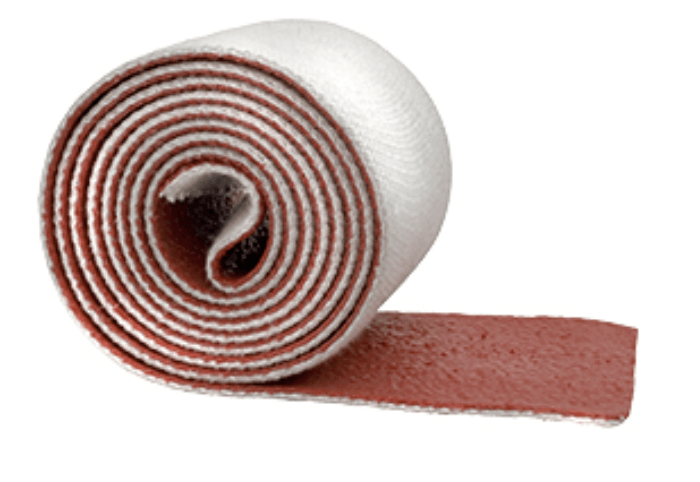
Glass fibre sleeves are manufactured from knitted E-glass fibre yarn and are widely used where lightweight, flexible thermal insulation is required.
Because they are manufactured without an external coating, glass fibre sleeves provide excellent insulation against radiant heat while remaining highly flexible and easy to install. They are commonly specified for electrical insulation, cable protection, wire harnesses and industrial applications where exposure to oils, moisture or molten metal is limited.
Typical Benefits
- Excellent thermal insulation
- Lightweight and highly flexible
- Good electrical insulation properties
- Cost-effective for general heat protection
- Suitable for cables, wiring and light-duty hose protection
Typical Limitations
- Limited resistance to oils, fuels and hydraulic fluids
- Lower resistance to mechanical abrasion
- Not intended for direct molten metal splash
- Can absorb moisture and contaminants in certain environments
Basalt sleeves are manufactured from texturised basalt fibres, a material produced from naturally occurring volcanic rock. Basalt fibres retain their mechanical strength at higher temperatures than many conventional glass fibres and are often selected for applications involving sustained exposure to elevated temperatures.
Basalt sleeves are particularly suitable where continuous high-temperature insulation is required, such as exhaust systems, industrial furnaces, turbocharger pipework and process equipment.
Typical Benefits
- Excellent high-temperature resistance
- Very good resistance to thermal shock
- Good mechanical strength
- Suitable for continuous elevated temperature applications
- Excellent resistance to many aggressive industrial environments
Typical Limitations
- Typically less flexible than E-glass sleeves
- Can be more difficult to install around tight bends
- Usually more expensive than standard glass fibre sleeves
- Does not provide the additional protection offered by a silicone coating
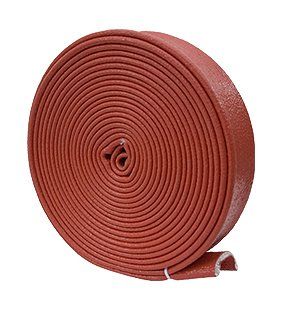
Silicone-coated firesleeve combines the insulating properties of a knitted texturised E-glass fibre sleeve with a high-grade silicone elastomer coating. The combination of these two materials provides both thermal insulation and environmental protection.
The silicone coating protects the underlying glass fibre from abrasion, moisture, oils, fuels, hydraulic fluids and many industrial chemicals while also providing additional resistance to flames and intermittent molten metal splash.
For this reason, silicone-coated firesleeves are widely specified for hydraulic hose assemblies, fuel lines, electrical cables and industrial pipework operating in harsh industrial environments.
Typical Benefits
- Excellent thermal insulation.
- Protection against radiant heat and direct flame
- Resistance to intermittent molten metal splash
- Excellent resistance to oils, hydraulic fluids and moisture
- Improved abrasion resistance
- Flexible and easy to install
- Ideal for hydraulic hose and cable protection
Typical Limitations
- Higher initial cost than an uncoated glass fibre sleeve
- May not be necessary where only basic thermal insulation is required
Which Product Should You Choose?
The correct product depends entirely on the operating environment and the type of protection required.
Choose a glass fibre sleeve where lightweight thermal insulation and electrical protection are required in relatively clean, dry environments.
Choose a basalt sleeve where the primary requirement is continuous exposure to very high temperatures and excellent thermal stability, particularly on exhaust systems and industrial process equipment.
Choose a silicone-coated firesleeve where hoses, cables or pipework require protection from a combination of heat, flames, molten metal splash, abrasion, hydraulic fluids and harsh industrial conditions.
Technical Guidance from Pyrosleeve Ltd
There is no single thermal protection sleeve that is suitable for every application. Selecting the correct material requires consideration of operating temperature, heat source, mechanical wear, chemical exposure, installation method and the performance requirements of the equipment.
We manufacture and supply a comprehensive range of high-temperature textile products, including glass fibre sleeves, basalt sleeves and silicone-coated firesleeve. Our technical team works closely with customers to recommend the most appropriate solution for each application, ensuring reliable long-term performance in demanding industrial environments.
Product lifespan – Glass Fibre Sleeve | Basalt Sleeve | Firesleeve
The service life of a high-temperature protection sleeve is influenced by far more than its material alone. Operating temperature, mechanical wear, chemical exposure, environmental conditions and installation quality all play a significant role in determining how long the product will continue to provide effective protection.
When correctly specified and installed, glass fibre sleeves, basalt sleeves and silicone-coated firesleeves can all provide many years of reliable service. However, each material performs differently depending on the application.
Glass fibre sleeves offer excellent long-term performance in static applications where they are protected from excessive mechanical wear and contamination. Their lightweight construction and excellent thermal insulation properties make them well suited to electrical insulation, cable protection and general heat shielding.
Because uncoated glass fibre can absorb moisture and is more susceptible to abrasion and contamination from oils or industrial fluids, service life may be reduced in harsh operating environments. Regular inspection is recommended where the sleeve is exposed to continuous vibration or mechanical contact.
Factors affecting service life include:
- Continuous operating temperature
- Abrasion and mechanical wear
- Exposure to oils, moisture and chemicals
- UV exposure in outdoor applications
- Installation quality
Basalt fibre sleeves are recognised for their excellent thermal stability and ability to withstand prolonged exposure to elevated temperatures. Their higher mechanical strength makes them well suited to applications involving exhaust systems, industrial furnaces and process equipment.
Although basalt fibres perform exceptionally well in high-temperature environments (upto 750 degrees celcius), prolonged mechanical abrasion or repeated flexing may eventually reduce the sleeve's effectiveness. As with all thermal insulation products, regular inspection remains good engineering practice.
Factors affecting service life include:
- Continuous operating temperature
- Thermal cycling
- Mechanical vibration
- Abrasion from surrounding equipment
- Chemical exposure
Silicone-coated firesleeves are specifically engineered for demanding industrial environments where thermal insulation alone is not sufficient. The combination of a texturised E-glass fibre sleeve with a high-grade silicone elastomer coating provides protection against heat, flames, molten metal splash, abrasion, hydraulic fluids, oils and moisture.
The silicone coating helps protect the insulating glass fibre from environmental degradation, allowing the firesleeve to maintain its performance over extended periods in challenging operating conditions. In many industrial applications, this additional protection can significantly increase the service life of both the firesleeve and the hose, cable or pipework beneath.
As with any protective product, periodic inspection should form part of a preventative maintenance programme. Any sleeve showing signs of excessive mechanical damage, severe abrasion, chemical degradation or thermal deterioration should be replaced to maintain optimum protection.
Factors affecting service life include:
- Continuous operating temperature
- Exposure to molten metal splash or direct flame
- Abrasion and mechanical damage
- Hydraulic fluid, fuel and chemical exposure
- Installation method
- Frequency of inspection and maintenance
Maximising Product Lifespan
Regardless of the material selected, the following best practices will help maximise the service life of thermal protection sleeves:
- Select the correct product for the operating environment
- Ensure the sleeve is correctly sized and installed
- Avoid unnecessary compression, twisting or excessive bending
- Minimise contact with sharp edges or abrasive surfaces
- Carry out routine inspections as part of a preventative maintenance programme
- Replace damaged sleeves before their protective performance is compromised
Technical Advice from Pyrosleeve Ltd
Selecting the correct thermal protection sleeve is essential for achieving maximum product life and reliable long-term performance. At Pyrosleeve Ltd, our technical team can advise on the most appropriate solution based on operating temperature, environmental conditions, mechanical stresses and the specific requirements of your application.
By matching the correct product to the application and following good installation and maintenance practices, engineers can significantly improve the reliability of hydraulic hoses, electrical cables and industrial pipework operating in high-temperature environments.
What is Firesleeve?
Firesleeve is a high-temperature thermal protection sleeve designed to insulate and protect hoses, cables, wires, hydraulic lines and industrial pipework from extreme heat, molten metal splash, flames and abrasion. It is widely used in industries where equipment operates in harsh, high-temperature environments and where maintaining the integrity of critical systems is essential for safety and reliability.
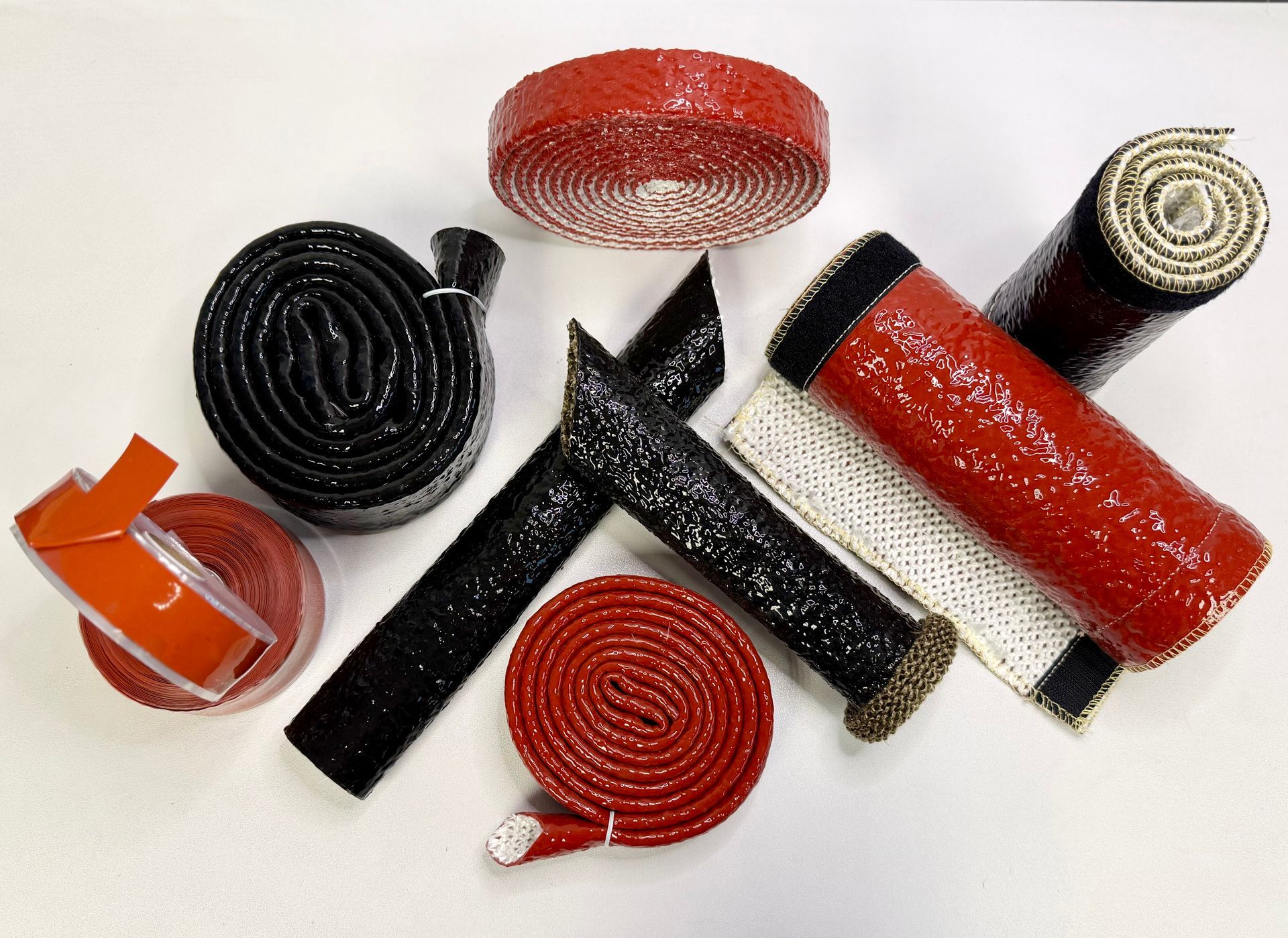
Pyrosleeve Firesleeve is manufactured from a sleeve of texturised E-glass fibre yarn, which provides excellent thermal insulation, before being coated with a specially formulated high-grade silicone elastomer rubber. This combination creates a flexible, durable and highly protective sleeve capable of withstanding continuous operating temperatures of up to 260°C while providing resistance to intermittent exposure to molten metal splash at temperatures of up to 1200°C.
In addition to its thermal protection properties, the silicone coating helps protect against oils, hydraulic fluids, fuels, water, moisture, ozone, UV exposure and many industrial chemicals, making firesleeve suitable for use in demanding industrial environments.
Firesleeve is commonly installed over hydraulic hoses, fuel lines, electrical cables, pneumatic lines and pipework to reduce heat transfer, protect personnel from hot surfaces, minimise the risk of fire damage and extend the service life of critical components. It is widely specified in industries including steel production, foundries, rail, marine, aerospace, automotive, power generation, glass manufacturing and heavy engineering.
As a UK manufacturer, Pyrosleeve Ltd designs and manufactures the Pyrosleeve range to deliver dependable thermal protection, consistent product quality and reliable performance for customers operating in some of the world's most demanding applications.
How to choose the right firesleeve size
 Contact Technical Team
How to Choose the Right Firesleeve Size
Selecting the correct firesleeve diameter is essential to ensure maximum thermal protection, a professional installation and a long service life. A sleeve that is too small can be difficult to install and may become overstretched, while an oversized sleeve may not provide the close-fitting protection required for demanding industrial environments such as marine, mining and railways.
Luckily, choosing the correct size firesleeve is straightforward when following the steps below.
Step 1 – Measure the Outside Diameter (O/D) of the Hose or Pipe
The most important measurement is the Outside Diameter (O/D) of the hose, cable bundle or pipe requiring protection.
Use either:
- Vernier calipers (recommended)
- A diameter gauge
- A tape measure (for larger pipework)
Important: Firesleeve is selected according to the Outside Diameter (O/D) of the item being protected - NOT the Inside Diameter (I/D) of the hose. This is one of the most common sizing mistakes!
Step 2 – Select the Appropriate Firesleeve Inside Diameter
Pyrosleeve Firesleeve is specified by its Inside diameter (I/D).
Choose a firesleeve with an internal diameter that is slightly larger than the measured outside diameter of the hose or pipe.
This allows the sleeve to:
- Slide easily over the assembly
- Accommodate normal manufacturing tolerances
- Prevent excessive stretching of the knitted glass fibre
- Maintain the correct wall thickness and thermal insulation performance
Step 3 – Cut the Firesleeve to Length
Measure the required length before cutting.
Wearing PPE gloves and using sharp scissors or a suitable cutting tool to produce a clean, square cut.
For assemblies with bends, elbows or movement, allow a small amount of additional length so the sleeve is not stretched when installed.
Whenever possible, install the sleeve before hydraulic fittings or end connectors are permanently assembled, if you are unable to do this, a velcro closure may be more suitable for your application.
Step 4 – Fit the Firesleeve
Carefully slide the Firesleeve over the hose / pipe until the entire area requiring protection is covered.
The sleeve should fit snugly without being excessively tight.
Ensure that:
- The sleeve is not twisted
- It sits evenly along the hose
- Areas exposed to radiant heat are fully covered
- No section of the hose is left exposed
Where hoses flex during operation, ensure there is sufficient slack to allow natural movement.
Step 5 – Seal the Ends with Self-Amalgamating Tape
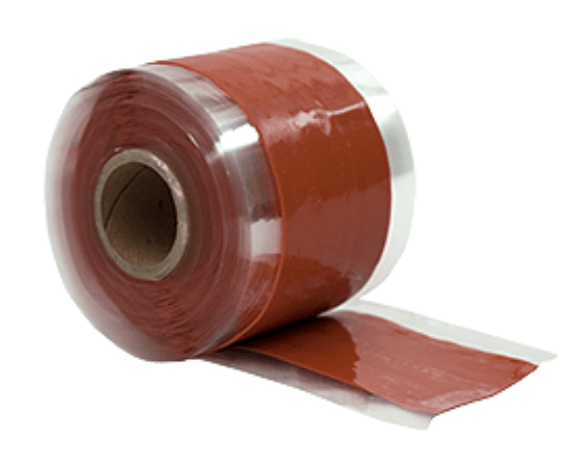
To complete the installation, wrap Pyrosleeve Self-Amalgamating Silicone Tape around each end of the Firesleeve.
The tape serves several important purposes:
- Helps prevent contamination entering the sleeve
- Reduces moisture ingress
- Minimises fraying of the knitted glass fibre
- Secures the sleeve in position
- Produces a neat, professional finish
Stretch the tape while wrapping so that it bonds to itself, overlapping each turn by approximately 50%. The tape will fuse into a continuous waterproof silicone covering without requiring adhesive.
Common Sizing Mistakes to Avoid
Choosing the correct Firesleeve is simple, but the following mistakes are frequently encountered:
- Selecting the sleeve based on the hose inside diameter (I/D) instead of the outside diameter (O/D)
- Forgetting to measure over fittings or connectors
- Choosing a sleeve that is too tight, making installation difficult
- Allowing insufficient length for bends or hose movement
- Leaving the sleeve ends unsecured, allowing contamination or premature wear
Need Help Choosing the Correct Size?
If you are unsure which Firesleeve size is required, our technical team is happy to help.
Simply provide:
- The hose or pipe outside diameter (O/D)
- The required protected length
- Operating temperature
- A photograph of the application (where possible)
We'll recommend the correct firesleeve size to ensure reliable protection and straightforward installation.
Industries which use Firesleeve
Firesleeve is used across a wide range of industries where hydraulic hoses, electrical cables, fuel lines and industrial pipework are exposed to elevated temperatures, radiant heat, molten metal splash, flames or abrasive operating conditions. By providing an effective thermal barrier, firesleeve helps protect critical systems, improve equipment reliability and extend the service life of valuable assets.
Steel Production and Foundries
Steel mills, foundries and metal processing facilities present some of the most demanding operating environments for hydraulic and electrical systems. Equipment is routinely exposed to extreme radiant heat, molten metal splash, hot scale and abrasive conditions.
Pyrosleeve Ltd's firesleeve provides thermal insulation and molten metal splash protection for hydraulic hose assemblies, pneumatic lines and electrical cables used on furnaces, continuous casting equipment, rolling mills, ladles, manipulators and material handling systems. Protecting these critical services helps minimise unplanned downtime while improving operator safety.
Glass Manufacturing
Glass manufacturing processes generate continuous high temperatures that can rapidly degrade unprotected hoses and cables. Firesleeve helps protect hydraulic systems, pneumatic controls and electrical wiring operating close to furnaces, forming equipment and hot glass handling machinery.
Rail Industry
Rail vehicles and railway infrastructure rely on hydraulic and electrical systems that must continue to operate reliably in demanding environments. Firesleeve is commonly used to protect hydraulic hoses, electrical cabling and fluid transfer lines from heat generated by braking systems, engines and exhaust components.
Our firesleeve has been developed for applications where dependable thermal protection, durability and long service life are essential.
Marine and Offshore
Marine and offshore environments present a combination of heat, vibration, moisture, salt spray and mechanical wear. Firesleeve is widely used to protect hydraulic hoses, fuel lines and electrical cables installed within engine rooms, propulsion systems and auxiliary equipment.
The silicone-coated construction also provides excellent resistance to moisture and many industrial fluids, making it suitable for demanding marine applications.
Automotive and Motorsport
Within automotive manufacturing, commercial vehicles and motorsport, firesleeve helps shield hoses and wiring from heat generated by engines, turbochargers, exhaust systems and braking components. Protecting critical systems from excessive temperatures improves reliability while reducing the risk of heat-related failures.
Aerospace
Aircraft and aerospace systems demand lightweight, reliable thermal protection materials capable of performing in challenging operating conditions. Firesleeve is used to protect hydraulic systems, fuel lines and electrical wiring where exposure to elevated temperatures could affect system performance or safety.
Selection for aerospace applications should always consider the relevant customer and industry specifications.
Power Generation
Power stations and energy production facilities operate a wide range of high-temperature process equipment. Firesleeve helps protect hydraulic hoses, instrumentation lines and electrical wiring installed near boilers, turbines, exhaust systems and other heat-generating equipment, contributing to improved equipment reliability and reduced maintenance.
Oil and Gas
Oil and gas installations often expose equipment to elevated temperatures, hydrocarbons, aggressive chemicals and demanding environmental conditions. Firesleeve provides additional protection for hydraulic hoses, fuel systems and process lines where resistance to heat and industrial fluids is essential.
Heavy Engineering and Industrial Manufacturing
Industrial machinery used in mining, material handling, waste processing, construction equipment and manufacturing plants frequently operates in environments where heat and mechanical abrasion are constant challenges.
Firesleeve helps protect hydraulic hose assemblies, pneumatic systems, electrical cables and industrial pipework, reducing wear and helping maintain reliable operation of critical equipment.
Why Industry Chooses Pyrosleeve's Firesleeve
Manufactured in the UK by Pyroglass Ltd (our sister company), our firesleeve is designed to deliver dependable thermal protection across a broad range of industrial sectors. Combining a knitted sleeve of specialist texturised E-glass fibre with a high-grade silicone elastomer coating, our firesleeve offers continuous operating temperature resistance of up to 260°C, together with protection against intermittent molten metal splash at temperatures of up to 1200°C.
Whether protecting hydraulic hose assemblies in steel production, electrical cables in rail applications or fuel lines in marine environments, our firesleeve is engineered to provide consistent performance where reliable thermal protection is essential.
Firesleeve temperature ratings explained
Understanding firesleeve temperature ratings is essential when selecting the correct thermal protection solution for your application. A common misconception is that a single temperature rating defines the maximum performance of a firesleeve. In reality, different temperature ratings relate to different types of heat exposure, including continuous operating temperatures, intermittent high-temperature exposure and molten metal splash resistance.
Continuous Operating Temperature
The continuous operating temperature is the maximum temperature at which a firesleeve can operate over extended periods without significant deterioration in performance. Pyrosleeve's firesleeve is designed to provide continuous thermal protection at temperatures of up to 260°C, making it suitable for protecting hydraulic hoses, fuel lines, electrical cables and industrial pipework in demanding industrial environments.
Short-Term or Intermittent Heat Exposure
Many industrial applications experience short periods of significantly higher temperatures than normal operating conditions. During these intermittent events, our firesleeve continues to provide effective thermal protection, helping to shield critical components from radiant heat and temporary temperature spikes that could otherwise reduce service life or lead to equipment failure.
Molten Metal Splash Protection
In industries such as steel production, foundries, glass manufacturing and metal processing, molten metal splash presents one of the greatest risks to hydraulic hose assemblies and electrical systems. Pyrosleeve's firesleeve is engineered to withstand intermittent molten metal splash at temperatures of up to 1200°C.
While this is not a continuous operating temperature, the silicone-coated outer layer and insulating E-glass fibre construction help prevent molten metal from adhering to the sleeve, allowing it to resist brief exposure and protect the hose or cable beneath.
Understanding the Difference
It is important to distinguish between these two:
- continuous operating temperatures
- molten metal splash resistance
A firesleeve is not intended to operate continuously at 1200°C. Instead, it is designed to provide reliable insulation during normal operating conditions while protecting against brief exposure to extreme heat, flames or molten metal that may occur during industrial processes.
Selecting the Correct Firesleeve Product
Choosing the right firesleeve depends on several factors, including:
- Operating temperature
- Exposure time
- Presence of molten metal or open flames
- Environmental conditions
- Abrasion levels
- Chemical exposure
Selecting a firesleeve with the appropriate temperature rating helps maximise service life, improve workplace safety and protect critical equipment from heat-related damage.
If you are unsure which product is best suited to your application, our technical team can provide guidance based on your operating conditions, industry requirements and performance expectations, ensuring you select the most appropriate thermal protection solution.
Firesleeve Standards, Testing and Certifications
Why Standards Matter When Choosing Firesleeve
When selecting firesleeve for hydraulic hoses, fuel lines, electrical cables or other critical equipment, performance should never be based on appearance alone. While many firesleeves may look similar, their ability to withstand extreme temperatures, direct flame, molten metal splash and harsh industrial environments can vary considerably.
Recognised standards, testing procedures and certifications provide confidence that a firesleeve has been independently assessed against defined performance criteria. They help engineers, procurement professionals and maintenance teams compare products on measurable performance rather than price alone.
For applications where safety, reliability and equipment protection are essential, specifying firesleeve that has been manufactured and tested to recognised standards can help reduce risk, minimise downtime and extend service life.
Why Are Firesleeves Tested?
Industrial firesleeve (knitted) is designed to perform in some of the world's most demanding environments. From steelworks and foundries to offshore platforms, power generation, mining and heavy manufacturing, firesleeve must continue protecting vital hoses and cables when exposed to intense heat and flames.
Testing helps verify that a firesleeve can:
- Resist direct flame exposure
- Reduce heat transfer to hoses and cables
- Protect against molten metal splash
- Maintain flexibility after prolonged heat exposure
- Resist abrasion and environmental ageing
- Deliver consistent performance throughout its service life
Without proper testing, it is impossible to know how a product will perform when equipment safety depends upon it.
Common Firesleeve Standards and Specifications
Different industries specify different performance requirements. While no single standard applies to every application, several internationally recognised specifications are commonly referenced when selecting high-temperature firesleeve.
ISO Standards
Several ISO standards relate to the testing of materials used in thermal protection products. These standards help evaluate properties such as heat resistance, mechanical performance, environmental durability and quality management during manufacture.
Examples include:
- ISO 5659:2026 Smoke Generation - Determination of Optical Density by a single chamber test
- ISO 4589-2:2017 Determination of Burning Behaviour by Oxygen Index
In addition manufacturers operating under recognised quality systems (UKAS Accredited ISO 9001 for example) demonstrate greater consistency throughout production.
EN Standards
Many European industries specify EN standards covering fire safety, heat resistance and material performance. Depending on the application, sectors such as rail, construction, marine, mining and industrial manufacturing may require compliance with particular European standards.
For example, the railway industry commonly references EN 45545 for fire protection requirements on rolling stock.
Industry-Specific Requirements
Many industries have their own approval requirements beyond general material standards.
Examples include:
- Aerospace
- Defence
- Marine
- Offshore oil and gas
- Mining
- Motorsport
- Steel production
- Heavy engineering
- Fire suppression systems
- Power generation
Understanding the operating environment is essential when selecting the appropriate firesleeve specification.
How Firesleeve Performance Is Tested
Manufacturers and testing laboratories use a range of procedures to evaluate firesleeve performance under real-world conditions.
Flame Resistance
Direct flame testing measures how effectively the firesleeve protects the hose or cable beneath when exposed to high-temperature flames for a specified period.
The objective is not simply to prevent burning but to maintain protection long enough for equipment shutdown or emergency intervention.
Molten Metal Splash Resistance
Industries such as steelmaking, aluminium production and foundries expose hoses and cables to molten metal splash.
Testing evaluates the firesleeve's ability to withstand brief contact with molten metal without allowing excessive heat to reach the protected component.
Heat Insulation Performance
Thermal insulation testing measures how effectively the firesleeve reduces heat transfer.
A high-quality silicone-coated fibreglass firesleeve can significantly reduce surface temperatures reaching hydraulic hoses, pneumatic lines and electrical cables, helping extend service life and improve operational safety.
Mechanical Durability
Industrial environments also expose firesleeve to:
- Abrasion
- Vibration
- Flexing
- Weathering
- Oils
- Hydraulic fluids
- Chemicals
Testing evaluates how these conditions affect long-term performance.
Certification vs Product Performance
One common misconception is that certification alone guarantees superior performance.
In reality, product quality depends on several factors, including:
- Raw material quality
- Silicone coating consistency
- Manufacturing precision
- Glass fibre construction
- Quality control procedures
- Batch consistency
- Independent testing where applicable
Even products claiming compliance with the same specification can vary considerably in real-world performance depending on how they are manufactured.
Questions to Ask Your Firesleeve Supplier
Before specifying firesleeve, consider asking:
- Which recognised standards does the product meet?
- Has the firesleeve been independently tested?
- Can technical data or test reports be supplied?
- Is the product manufactured under recognised quality systems?
- Is the firesleeve suitable for my operating temperatures?
- Has it been designed for my industry or application?
- Is technical support available if requirements change?
An experienced manufacturer should be able to answer these questions confidently and provide supporting technical information where required.
Why British Manufacturing Makes a Difference
At Pyrosleeve, we believe product quality starts with manufacturing excellence.
By manufacturing our firesleeve in Britain, we maintain close control over production, quality assurance and consistency from raw materials through to the finished product. This allows us to respond quickly to bespoke requirements, maintain dependable lead times and deliver technical support directly from the people who manufacture the product.
For customers operating in safety-critical industries, that level of control provides confidence that every firesleeve supplied has been manufactured with reliability, consistency and performance in mind.
Need Help Choosing the Right Firesleeve?
Selecting the correct firesleeve involves more than simply choosing a diameter or temperature rating. Every application presents different environmental conditions, performance requirements and industry standards.
If you are unsure which firesleeve specification is right for your application, our technical team is always happy to help. Whether you require standard industrial firesleeve or a bespoke solution manufactured in Britain, Pyrosleeve can provide expert advice to help you specify the right product with confidence.
Pyrosleeve Ltd's manufacturing process for firesleeve
At Pyrosleeve Ltd, we believe the performance of a firesleeve is determined not only by the materials used, but also by the care, expertise and manufacturing processes behind its production. Every Pyrosleeve product is manufactured in the UK using carefully selected raw materials and controlled production methods to ensure consistent quality, reliability and thermal performance.
Raw Material Inspection
Every production batch begins with a thorough inspection of incoming raw materials. Specialist texturised E-glass fibre yarn and silicone elastomer coating materials are carefully checked to ensure they meet our quality standards before entering our manufacturing process.
This first stage helps maintain product consistency and ensures every Pyrosleeve product is manufactured from materials that meet our technical specifications.
Knitting the E-Glass Sleeve
The inspected E-glass fibre yarn is precision knitted into a seamless tubular sleeve using specialist multi-needle knitting machines which contain hardened parts to cope with the glass fibres. This knitted construction provides the flexibility required for installation over hydraulic hoses, cables, wiring systems and industrial pipework while creating the insulating structure that forms the foundation substrate of the firesleeve.
Silicone Coating
The knitted sleeve is then coated with a specially formulated high-grade silicone elastomer rubber using propriety manufacturing pressurised methods. This coating enhances the sleeve's resistance to flames, molten metal splash, abrasion, moisture, hydraulic fluids, oils, fuels and many industrial chemicals, while also improving durability and handling characteristics.
Controlled Curing
Following the coating process, the firesleeve undergoes a carefully controlled curing cycle. This stage allows the silicone elastomer to fully cure, ensuring optimum adhesion to the E-glass sleeve and consistent mechanical and thermal performance throughout the finished product.
Diameter and Wall Thickness Checks
Throughout production, regular dimensional inspections are carried out to verify both sleeve diameter and wall thickness. Maintaining tight manufacturing tolerances helps ensure consistent product quality and reliable installation across the full range of available sizes.
Coating Adhesion Testing
To confirm the integrity of the finished product, the bond between the silicone coating and the knitted E-glass sleeve is assessed as part of our quality control procedures. This helps ensure the coating performs as intended throughout the product's service life, even in demanding industrial environments.
Final Visual Inspection
Before packaging, every production batch undergoes a comprehensive visual inspection. Each firesleeve is checked for surface finish, coating consistency, dimensional accuracy and overall product quality to ensure it meets the standards expected by our customers.
Packaging and Despatch
Following final inspection, our products are carefully packaged to protect them during transportation and storage before being despatched to customers throughout the UK and worldwide.
Our in-house manufacturing capability enables us to maintain dependable lead times while providing the flexibility to respond quickly to customer requirements.
Manufactured with Quality at Every Stage
By controlling every stage of the manufacturing process, from raw material inspection through to final quality checks and despatch, Pyrosleeve Ltd can maintain consistently high manufacturing standards while continually improving product performance and responding to the evolving requirements of our customers, this aligns with our quality policy and ISO 9001:2015 UKAS accreditation.
This investment in UK manufacturing reflects our commitment to producing high-performance firesleeves that engineers and purchasing professionals can specify with confidence. The result is a product that delivers reliable thermal insulation, excellent durability and dependable protection for hydraulic hoses, cables, wiring systems and industrial pipework operating in some of the world's most demanding environments.
Standard Firesleeve vs Hook & Loop Firesleeve – Which should you choose?
Selecting the correct type of firesleeve is just as important as choosing the correct size. While both standard firesleeve and hook & loop firesleeve are designed to provide effective thermal insulation and protection against radiant heat, flames, molten metal splash and mechanical abrasion, each has been developed for different installation requirements.
Understanding the differences between the two products will help ensure the most suitable solution is selected for your application.
Standard firesleeve is manufactured as a continuous seamless tubular sleeve. During installation, the hose, cable or pipework is inserted through the centre of the sleeve before the end fittings are attached, or during assembly of a new hose.
Because the sleeve completely surrounds the protected component, it provides continuous thermal insulation around the full circumference of the hose or cable. This makes it the preferred solution for Original Equipment Manufacturers (OEMs), new hydraulic hose assemblies and applications where the firesleeve can be installed before the system is commissioned.
Typical applications include:
- Hydraulic hose assemblies
- Fuel and oil lines
- Electrical cables
- Pneumatic systems
- Industrial pipework
- OEM equipment manufacture
Hook & Loop Firesleeve has been specifically developed for applications where it is not practical or possible to remove existing hoses, cables or pipework from service.
Instead of a seamless tube, the firesleeve is manufactured with a longitudinal opening and a high-temperature flame resistant hook and loop fastening system, allowing it to be wrapped around the component and securely closed without disconnecting the equipment.
This significantly reduces installation time while avoiding the cost and disruption associated with dismantling hydraulic systems or removing electrical wiring.
Hook & Loop Firesleeve is particularly beneficial during maintenance, repair and retrofit projects where minimising equipment downtime is essential.
Typical applications include:
- Existing hydraulic hose assemblies
- Plant maintenance
- Equipment refurbishment
- Marine engine rooms
- Steel mills
- Power generation
- Industrial maintenance shutdowns
- Performance Comparison
Both standard and hook & loop firesleeves are manufactured using the same high-performance insulating materials and are designed to provide excellent thermal protection. The choice between the two is determined primarily by the method of installation rather than their thermal performance.
Where practical, a standard seamless firesleeve offers continuous 260° protection and is generally preferred for new installations.
Where equipment cannot easily be dismantled, a hook & loop firesleeve provides a practical alternative, allowing thermal protection to be added without disconnecting hoses, removing fittings or significantly increasing maintenance time.
Which Product is Right for Your Application?
As a general guide:
Choose Standard Firesleeve if:
- You are manufacturing new hose assemblies.
- End fittings have not yet been installed.
- Maximum continuous protection is required.
- The hose or cable can be sleeved before installation.
Choose Hook & Loop Firesleeve if:
- The hose or cable is already installed.
- Equipment downtime must be minimised.
- Removing fittings is impractical or costly.
- Thermal protection needs to be retrofitted during maintenance.
Technical Advice from Pyrosleeve Ltd
Every application presents different installation challenges, operating temperatures and environmental conditions. If you are unsure whether a standard firesleeve or hook & loop firesleeve is most suitable for your application, the technical team at Pyrosleeve Ltd can provide guidance based on your equipment, operating environment and installation requirements.
By selecting the correct product for the application, engineers can improve installation efficiency, reduce maintenance time and ensure reliable long-term protection for hydraulic hoses, electrical cables and industrial pipework operating in demanding environments.
What materials are used to manufacture Firesleeve?
The performance of any firesleeve is determined by the materials used in its construction. Selecting the correct combination of insulation and protective coating is essential to achieving reliable thermal performance, mechanical durability and long-term resistance to demanding industrial environments.
Most high-quality firesleeves are manufactured using two principal components: an insulating glass fibre sleeve and a protective silicone elastomer coating. Together, these materials provide the thermal insulation, flexibility and environmental protection required for applications involving elevated temperatures, flames, molten metal splash and industrial fluids.
Texturised E-Glass Fibre Yarn
The core of our firesleeve is manufactured from specialist texturised E-glass fibre yarn - sourced from Europe as this is the best quality yarn in the world.
E-glass (Electrical Grade Glass) is a continuous filament glass fibre developed to provide excellent thermal insulation, high tensile strength, dimensional stability and good electrical insulating properties. These characteristics have made E-glass one of the most widely used reinforcement and insulation materials across engineering and industrial applications.
For firesleeve manufacture, the yarn is texturised to increase its bulk and create microscopic air pockets within the knitted structure. Air is a naturally poor conductor of heat, so these trapped air spaces improve the sleeve's insulating performance while maintaining the flexibility required to install the firesleeve over hydraulic hoses, electrical cables, fuel lines and industrial pipework.
The yarn is then precision knitted into a seamless tubular sleeve, producing a flexible yet durable structure capable of conforming to a wide range of component diameters without compromising its insulating properties.
Silicone Elastomer Rubber Coating
Following the knitting process, the E-glass sleeve is coated with a high-grade silicone elastomer rubber.
The silicone coating performs several important functions beyond simply providing an outer surface. It helps protect the glass fibre insulation from mechanical abrasion, moisture ingress, weathering and contamination by oils, fuels, hydraulic fluids and many industrial chemicals.
The silicone layer also enhances resistance to direct flame and intermittent molten metal splash. During brief exposure, the coating helps prevent molten metal from adhering to the sleeve, reducing the risk of damage to the protected hose or cable beneath.
In addition, the silicone coating improves handling characteristics, allowing the firesleeve to remain flexible while withstanding repeated movement and vibration encountered in industrial service.
Why These Materials Work Together
Neither material alone would provide the level of protection expected from a modern firesleeve.
The E-glass fibre sleeve provides the primary thermal insulation by reducing heat transfer from the external environment to the protected component.
The silicone elastomer coating protects that insulating layer from the harsh mechanical and chemical conditions encountered during everyday industrial operation.
Working together, these materials produce a firesleeve capable of providing continuous operating temperatures of up to 260°C, together with protection against intermittent molten metal splash at temperatures of up to 1200°C.
Manufactured for Demanding Industrial Environments
At Pyrosleeve Ltd, every firesleeve is manufactured using carefully selected raw materials and controlled production processes to ensure consistent product quality and dependable performance.
Our combination of specialist texturised E-glass fibre yarn, high-grade silicone elastomer rubber and rigorous quality control enables Pyrosleeve Ltd to deliver reliable thermal protection across a wide range of industries, including steel production, foundries, rail, marine, power generation, aerospace, automotive and heavy engineering.
Selecting the correct materials is fundamental to the performance of any firesleeve. By understanding the role each material plays within the finished product, engineers and maintenance professionals can make informed decisions when specifying thermal protection solutions for critical applications.
Firesleeve installation guide
Correct installation is essential to ensure a firesleeve performs as intended and provides effective long-term protection against heat, flames, molten metal splash and mechanical abrasion. Before installation, always ensure the correct size and type of firesleeve has been selected for the application.
1. Select the Correct Firesleeve Size
Choose a firesleeve with an internal diameter suitable for the outside diameter of the hose, cable, pipe or component being protected. The firesleeve should slide over the assembly without excessive force while providing a close, uniform fit.
Where fittings or connectors prevent installation of a standard tubular firesleeve, a hook-and-loop firesleeve or alternative installation method may be more appropriate.
2. Inspect the Assembly
Before fitting the firesleeve, inspect the hose or cable assembly for signs of wear, damage, leakage or contamination. Installing firesleeve over damaged components may conceal defects and should not be used as a substitute for routine maintenance or replacement.
3. Install the Firesleeve
Carefully slide the firesleeve over the hose or component, avoiding excessive stretching or twisting during installation. Ensure the sleeve fully covers all areas requiring thermal protection and extends beyond the heat source wherever practical.
Where the application requires additional protection at the ends of the sleeve, suitable termination methods should be considered to minimise movement and help prevent contamination from entering the sleeve, such as our self-fusing / amalgamating tapes.
4. Position Correctly
Once installed, ensure the firesleeve sits evenly along the length of the protected component without compression, sharp bends or excessive tension. The sleeve should not interfere with the normal operation of moving equipment or create additional stress on the hose or cable assembly.
5. Secure Where Required
Depending on the application, the ends of the firesleeve may be secured using appropriate stainless steel bands, clamps or other approved retention methods. The method of securing the sleeve should be selected to suit the operating environment and the equipment manufacturer's recommendations.
6. Carry Out a Final Inspection
Following installation, visually inspect the completed assembly to ensure:
- The correct size firesleeve has been fitted.
- The protected area is fully covered.
- There are no twists, folds or damage to the sleeve.
- The sleeve does not restrict movement or create excessive bending of the hose or cable.
- All retaining devices are correctly fitted where required.
Ongoing Inspection and Maintenance
Although Pyrosleeve's firesleeve is manufactured to provide long-lasting thermal protection in demanding industrial environments, regular inspection should form part of any preventative maintenance programme.
The firesleeve should be checked periodically for signs of mechanical damage, excessive wear or chemical attack and replaced if its protective performance has been compromised.
Technical Support
Every application is different. Factors such as operating temperature, exposure to molten metal, hose movement, chemical exposure and installation environment should all be considered when selecting and installing a firesleeve.
If you are unsure which Pyrosleeve product is most suitable for your application or require technical guidance on installation, our experienced technical team will be pleased to provide advice based on your specific operating conditions.
Disclaimer: the information provided above is best practice and installers must follow their own site procedures and safety requirements as mandated.
Common causes of hose failure in high-temperature environments
Hydraulic hoses are critical components within industrial machinery, transferring hydraulic fluid under pressure to power equipment safely and efficiently. However, when operating in high-temperature environments, hose assemblies are subjected to additional stresses that can significantly reduce their service life if they are not adequately protected.
Understanding the common causes of hose failure allows engineers and maintenance professionals to identify potential risks, improve system reliability and reduce costly unplanned downtime.
Excessive Radiant Heat
One of the most common causes of premature hose failure is prolonged exposure to radiant heat generated by furnaces, exhaust systems, kilns, molten metal, engines and other high-temperature equipment.
Although the hose may never come into direct contact with the heat source, continuous exposure to radiant heat can gradually increase the hose surface temperature beyond its recommended operating limits. Elevated temperatures accelerate the ageing of rubber compounds, reducing flexibility and causing the hose cover to harden, crack or become brittle over time.
Installing a thermal protection sleeve such as firesleeve helps reduce heat transfer to the hose assembly, maintaining lower surface temperatures and extending service life.
Direct Flame Exposure
In some industrial environments, hydraulic hoses may be exposed to naked flames or flash fires during abnormal operating conditions or equipment failures.
Without suitable thermal protection, direct flame can rapidly damage the hose cover, exposing reinforcement layers and increasing the risk of hydraulic fluid leakage or catastrophic hose failure.
Where fire protection is required, silicone-coated firesleeve provides an additional protective barrier designed to delay heat transfer and shield the hose from short-duration flame exposure.
Molten Metal Splash
Steel mills, foundries, aluminium processing plants and glass manufacturing facilities present unique hazards where molten metal splash can come into contact with hydraulic hose assemblies.
Molten metal can instantly burn through conventional hose covers, creating serious safety risks and potentially causing hydraulic system failure.
A silicone-coated firesleeve helps prevent molten metal from adhering directly to the hose assembly while insulating the underlying hose during brief exposure, providing valuable protection in these demanding industrial environments.
Abrasion and Mechanical Wear
Heat is not the only factor affecting hose life.
Continuous vibration, movement and contact with surrounding machinery can gradually wear through the outer hose cover. Once the protective cover has been damaged, reinforcement layers become vulnerable to corrosion, contamination and further mechanical damage.
A correctly specified firesleeve provides an additional layer of mechanical protection, reducing abrasion caused by repeated contact with adjacent components.
Incorrect Hose Routing
Poor hose routing can significantly reduce service life.
Sharp bends, excessive twisting, unsupported hose runs and contact with hot surfaces all increase mechanical stress while exposing the hose to unnecessary heat.
Correct routing, adequate bend radii and appropriate thermal protection should always be considered during system design and installation.
Ageing and Thermal Degradation
Even where no visible damage is present, prolonged operation at elevated temperatures gradually accelerates the natural ageing of elastomeric hose materials.
Repeated heating and cooling cycles cause rubber compounds to lose elasticity, increasing the likelihood of cracking, hardening and eventual failure.
Reducing thermal exposure through the use of appropriate insulation helps slow this ageing process and can significantly extend hose service life.
Chemical Exposure
Many industrial environments expose hydraulic hoses to oils, fuels, coolants, solvents and cleaning chemicals. Combined with elevated temperatures, these substances can accelerate deterioration of the outer hose cover and reduce overall durability.
The silicone elastomer coating used on Pyrosleeve® provides an additional protective barrier against many oils, hydraulic fluids, fuels and other common industrial contaminants, helping preserve the condition of the underlying hose.
Incorrect Product Selection
Not all thermal protection products are suitable for every application.
Selecting a firesleeve with the incorrect internal diameter, temperature rating or construction can reduce its effectiveness and may compromise the protection of the hose assembly.
Factors including continuous operating temperature, radiant heat levels, molten metal exposure, hose movement, chemical resistance and installation method should all be considered during product selection.
Lack of Routine Inspection
Even the highest quality hose assemblies should form part of a planned preventative maintenance programme.
Routine inspections help identify early signs of wear, abrasion, contamination or thermal damage before they develop into costly failures. Regular inspection of both the hose assembly and any protective firesleeve allows maintenance teams to replace damaged components before system reliability is affected.
Protecting Hydraulic Hoses in High-Temperature Applications
Heat-related hose failures are often preventable through good system design, correct hose routing, routine inspection and the use of appropriate thermal protection.
By reducing heat transfer, protecting against molten metal splash and providing additional resistance to abrasion and industrial fluids, firesleeve helps improve the reliability, safety and service life of hydraulic hose assemblies operating in some of the world's most demanding industrial environments.
Engineering design considerations for thermal protection sleeves
Selecting the correct thermal protection sleeve involves much more than choosing a product with the highest temperature rating. Engineers must consider:
- the complete operating environment
- the type of heat exposure
- the mechanical stresses
- any long-term performance requirements of the equipment
A well-designed thermal protection system not only improves equipment reliability but can also reduce maintenance costs, minimise downtime and increase the service life of critical components.
The following engineering considerations should be evaluated when specifying glass fibre sleeves, basalt sleeves or silicone-coated firesleeves.
Understanding the Heat Source
The first step is identifying the type of heat affecting the component.
Heat may be generated by:
- Radiant heat from furnaces, kilns, engines or exhaust systems
- Direct contact with hot surfaces
- Convective heat from hot gases or air movement
- Intermittent flame exposure
- Molten metal splash
Each heat source transfers energy differently and may require a different thermal protection solution. Selecting a sleeve based solely on its maximum temperature rating may not provide the most effective protection.
Continuous Temperature vs Intermittent Exposure
Engineers should distinguish between normal operating temperatures and occasional high-temperature events.
Many industrial systems operate continuously within a relatively stable temperature range but may occasionally experience temperature spikes, direct flame or molten metal splash.
The selected sleeve should be capable of performing under both normal operating conditions and foreseeable abnormal events.
Heat Transfer Mechanisms
Thermal protection sleeves reduce heat transfer but do not eliminate it entirely.
Understanding how heat moves through a system is essential when specifying thermal insulation.
Heat is transferred by three primary mechanisms:
Conduction – Heat transferred through direct contact between materials.
Convection – Heat transferred by moving air or gases surrounding the component.
Radiation – Heat energy emitted from hot surfaces without direct contact.
In many industrial applications, radiant heat is the dominant source affecting hydraulic hoses and electrical cables.
Product Selection
Different thermal protection materials have been developed for different operating environments.
Glass fibre sleeves provide lightweight thermal insulation and electrical protection.
Basalt sleeves offer excellent performance in sustained high-temperature environments.
Silicone-coated firesleeves combine thermal insulation with resistance to abrasion, moisture, hydraulic fluids, flames and molten metal splash, making them particularly suitable for hydraulic hose protection.
The correct material should always be selected according to the application's operating conditions rather than on temperature rating alone.
Correct Sleeve Sizing
Selecting the correct internal diameter is critical.
A sleeve that is too small may be difficult to install or place unnecessary stress on the protected component.
Conversely, an oversized sleeve may reduce installation quality and leave air gaps that allow unnecessary movement or wear.
Correct sizing also helps ensure the sleeve maintains full coverage throughout its service life.
Hose Routing and Installation
Even the highest-quality thermal protection sleeve cannot compensate for poor hose installation.
Good engineering practice includes:
- Maintaining recommended minimum bend radii
- Avoiding twisting during installation
- Preventing contact with sharp edges
- Supporting long hose runs where necessary
- Minimising unnecessary movement and vibration
These measures reduce mechanical stress while improving overall system reliability.
Mechanical Protection
Heat is only one cause of premature equipment failure.
Engineers should also consider:
- Abrasion
- Impact damage
- Vibration
- Repeated flexing
- Crushing
- Exposure to debris
Selecting a thermal protection sleeve that also provides mechanical protection can significantly improve the overall service life of hoses and cables.
Chemical Compatibility
Industrial environments frequently expose protective sleeves to:
- Hydraulic fluids
- Lubricating oils
- Fuels
- Coolants
- Cleaning chemicals
- Moisture
- Weathering
The selected sleeve should be compatible with the operating environment to prevent premature deterioration of the protective materials.
Inspection and Preventative Maintenance
Thermal protection products should form part of any planned maintenance programme.
Routine inspections allow early identification of:
- Mechanical damage
- Abrasion
- Chemical attack
- Burn damage
- Incorrect positioning
- General wear
Replacing damaged sleeves before their protective performance is compromised helps maintain equipment reliability and improves operational safety.
Engineering for Long-Term Reliability
Effective thermal protection is achieved through careful engineering rather than simply selecting a product with the highest temperature rating.
Understanding the operating environment, correctly identifying the heat source, selecting the most appropriate material and following good installation and maintenance practices all contribute to reliable long-term performance.
At Pyrosleeve Ltd, we work closely with engineers, OEMs and maintenance professionals to help specify the most appropriate thermal protection solutions for demanding industrial applications. By combining decades of manufacturing expertise with practical engineering knowledge, we support customers in improving equipment reliability, extending component life and protecting critical hydraulic hoses, cables and pipework operating in high-temperature environments.
Material science for high-temperature protection sleeves
The performance of any high-temperature protection sleeve begins with the materials from which it is manufactured. Different fibres and coating materials possess unique mechanical, thermal and chemical properties, making them suitable for specific industrial applications.
Selecting the correct material is not simply a matter of choosing the highest temperature rating. Engineers must consider:
- thermal conductivity
- flexibility
- abrasion resistance
- chemical compatibility
- electrical insulation
- environmental exposure
- operating conditions of the application
This guide explains the characteristics of the most commonly used materials in the manufacture of thermal protection sleeves.
E-Glass Fibre
E-glass (Electrical Grade Glass) is one of the most widely used reinforcement and insulation fibres in engineering applications. It was originally developed for electrical insulation and remains the preferred material for many thermal protection products due to its excellent balance of performance, flexibility and cost.
Texturised E-glass fibre yarn is commonly knitted into sleeves used to protect hydraulic hoses, electrical cables and industrial pipework. The texturising process increases the bulk of the yarn, trapping insulating air within the structure and improving thermal performance while maintaining flexibility.
Key Properties
- Excellent thermal insulation
- Good electrical insulating properties
- Lightweight and flexible
- High tensile strength
- Good dimensional stability
- Suitable for continuous elevated temperatures
- Cost-effective for a wide range of industrial applications
Typical Applications
- Firesleeve substrate
- Cable protection
- Hydraulic hose insulation
- Electrical insulation
- Industrial pipework
- General heat shielding
Basalt Fibre
Basalt fibre is produced by melting naturally occurring volcanic rock and extruding it into continuous filaments. The resulting fibre offers excellent thermal stability, mechanical strength and resistance to elevated temperatures.
Compared with E-glass, basalt fibre generally retains its mechanical properties more effectively during prolonged exposure to high temperatures, making it particularly suitable for industrial process equipment and exhaust insulation.
Key Properties
- Excellent thermal stability
- High continuous temperature capability
- Good resistance to thermal shock
- High mechanical strength
- Good abrasion resistance
- Resistant to many aggressive industrial environments
Typical Applications
- Exhaust insulation (Euro 6)
- Furnace equipment
- Turbocharger protection
- Heat shields
- Industrial process pipework
- High-temperature wrapping systems
Silica Fibre
Silica fibre is manufactured by increasing the silica content of glass fibres to create a material capable of operating at significantly higher temperatures than conventional E-glass.
High-silica fibres offer exceptional thermal resistance and are commonly specified where prolonged exposure to extreme temperatures or direct flame is expected.
Because of their specialised performance, silica products are generally selected for applications where conventional glass fibres cannot provide adequate protection.
Key Properties
- Exceptional high-temperature resistance
- Excellent thermal insulation
- Outstanding flame resistance
- Low thermal conductivity
- Good chemical stability
Typical Applications
- Furnace curtains
- Fire blankets
- Welding protection
- Molten metal handling
- Expansion joints
- Extreme heat shielding
Aramid Fibre
Aramid fibres are high-performance synthetic materials best known for their exceptional strength-to-weight ratio and excellent resistance to mechanical damage.
Unlike glass or silica fibres, aramid is not primarily selected for its thermal insulation properties. Instead, it is often used where abrasion resistance, cut resistance and mechanical reinforcement are equally important.
Aramid fibres are frequently combined with other high-temperature materials to improve the overall durability of thermal protection products.
Key Properties
- Exceptional tensile strength
- Excellent abrasion resistance
- High cut resistance
- Lightweight
- Good fatigue resistance
- Excellent dimensional stability
Typical Applications
- Abrasion-resistant sleeves
- Protective hose coverings
- Mechanical reinforcement
- Cable protection
- Composite constructions
Silicone Elastomer
Silicone elastomer is not a fibre but a high-performance synthetic rubber commonly applied as a protective coating to thermal insulation sleeves.
When applied to a knitted E-glass sleeve, silicone significantly improves resistance to moisture, hydraulic fluids, oils, fuels, weathering and mechanical abrasion while also enhancing flame resistance and molten metal splash performance.
The coating also improves handling characteristics and helps maintain flexibility over a wide operating temperature range.
Key Properties
- Excellent flexibility
- Good resistance to elevated temperatures
- Outstanding weather resistance
- Resistant to moisture and ozone
- Good resistance to oils and hydraulic fluids
- Excellent flame resistance
- Enhanced abrasion protection
Typical Applications
- Silicone-coated firesleeves
- Industrial hose protection
- Cable protection systems
- Marine applications
- Steel production
- Heavy engineering
Rather than asking which material is "best", engineers should consider which material is best suited to the application. Factors such as operating temperature, heat source, flexibility, mechanical wear, chemical exposure and installation requirements all influence the selection of the most appropriate thermal protection solution.
At Pyrosleeve Ltd, our experience in manufacturing high-temperature textile products enables us to recommend the most suitable material for each application. Whether the requirement is thermal insulation, abrasion resistance, flame protection or a combination of performance characteristics, selecting the correct material is fundamental to achieving reliable, long-term protection in demanding industrial environments.
Note: Material properties can vary depending on fibre grade, construction, coating system and manufacturing process. It is an important engineering principle: choosing a material is only part of the specification; how it's processed into the finished product also affects performance.
The Science Behind Firesleeve: How Does Firesleeve Protect Against Heat?
When engineers specify Firesleeve for a hydraulic hose, cable, fuel line or industrial pipework, the obvious question is often:
“What temperature can it withstand?”
Temperature is important, but it is only part of the engineering equation.
To understand how Firesleeve protects a component, it is useful to look at what is actually happening when heat reaches the sleeve. Heat can be transferred by conduction, convection and thermal radiation, and in demanding industrial environments all three mechanisms can occur simultaneously.
The purpose of Firesleeve is not to create an impenetrable barrier that stops heat completely. Instead, its construction is designed to reduce and control the rate at which thermal energy reaches the protected component, while also providing resistance to flame, molten metal splash, abrasion and harsh environmental conditions.
Pyrosleeve's Firesleeve combines a knitted, texturised E-glass fibre sleeve with a high-grade silicone elastomer coating. The glass-fibre structure provides the primary thermal insulation, while the silicone coating provides protection and durability in the surrounding industrial environment.
Understanding the science behind this construction helps engineers make better decisions when selecting thermal protection for critical equipment.
The key principle: Firesleeve is designed to slow heat transfer and protect the component underneath, rather than simply having a single “maximum temperature” that applies to every type of exposure.
1. How Does Heat Actually Reach a Hose or Cable?
Before considering Firesleeve itself, it is important to understand how heat moves.
There are three fundamental mechanisms of heat transfer:
Conduction
Conduction is the transfer of thermal energy through a material or between materials that are in physical contact.
For example, if a hydraulic hose is touching a hot metal surface, heat can travel from that surface into the hose through direct contact.
The same principle applies to pipework, brackets, clamps and other components that may become hot during operation.
The thermal behaviour of fibrous insulation is more complicated than that of a solid block of material. Heat can travel through the solid fibre network as well as through the gas trapped within the structure. Research into fibrous glass insulation shows that effective heat transfer can involve solid conduction, gas conduction and thermal radiation, with the relative contribution depending on factors such as fibre structure and density.
The path created by a fibrous structure is important: rather than providing a simple, continuous solid pathway from the heat source to the protected component, the fibres create a more complex thermal route.
Convection
Convection occurs when heat is transferred by the movement of a fluid, air or another type of gas.
Consider a hydraulic hose routed close to an engine or exhaust system. Hot air rising from the heat source can transfer energy to the hose surface.
Air movement can also be caused by fans, vehicle movement or industrial ventilation.
This means that the temperature of the surrounding air is not necessarily the same as the temperature of the heat-generating component itself.
In fibrous insulation, convection can also occur within the spaces between fibres, although its contribution depends on the structure and conditions of the material. Studies of glass-fibre insulation show that heat transfer is a combination of conduction and radiation, with natural convection often limited in suitably structured fibrous materials.
2. Thermal Radiation: The Heat You Cannot See
Radiant heat is particularly important in industrial applications.
Unlike conduction, radiation does not require physical contact.
A hot furnace, exhaust manifold, engine component or molten-metal process can radiate thermal energy towards a nearby hose or cable even when there is an air gap between the two.
This is why simply measuring the ambient air temperature around a component may not give a complete picture of its thermal environment.
Thermal radiation is particularly significant in high-temperature fibrous materials, where radiative transfer forms part of the overall heat-transfer process.
Why this matters for Firesleeve
Imagine a hydraulic hose routed alongside a hot exhaust.
The hose may not touch the exhaust at all.
Nevertheless:
Hot exhaust → radiant heat → Firesleeve → hose
The Firesleeve provides a protective thermal barrier between the heat source and the hose, reducing the rate at which thermal energy reaches the hose.
This is why Firesleeve is commonly used around exhaust systems, engines, furnaces, industrial machinery and other heat-generating equipment.
3. Why Is E-Glass Fibre Used in Firesleeve?
The underlying material is fundamental to the performance of a Firesleeve.
Pyrosleeve uses texturised E-glass fibre yarn knitted into a flexible sleeve. E-glass provides a useful combination of thermal resistance, mechanical strength, flexibility and electrical insulating properties.
The knitted construction also creates a bulky fibrous structure containing spaces between the fibres.
Those spaces are important from a thermal perspective.
Instead of creating a dense, solid pathway through which heat can travel directly, the fibrous construction creates a more complex route through the material.
The thermal performance of fibrous glass insulation is influenced by the fibre structure, density and the interaction between solid conduction, gas conduction and radiation.
Texturisation matters
Texturised yarn is not simply glass fibre in a straight, compact arrangement.
The yarn is processed to create additional bulk, which contributes to the structure of the knitted sleeve.
This helps produce a flexible thermal protection layer while maintaining the characteristics that make E-glass suitable for high-temperature industrial applications.
4. Why Does Firesleeve Have a Silicone Coating?
If E-glass provides the underlying thermal barrier, why add silicone?
Because a Firesleeve has to survive much more than heat.
In real industrial environments, a protective sleeve can encounter:
- Hydraulic oils
- Fuels
- Water and moisture
- Chemicals
- Abrasion
- Vibration
- Mechanical movement
- Direct flame
- Molten metal splash
- Environmental contamination
The silicone elastomer coating provides an outer protective layer around the glass-fibre substrate.
It helps protect the underlying textile from the surrounding environment while contributing to the sleeve's flame and thermal protection characteristics.
Pyrosleeve's product construction combines texturised E-glass fibre with a high-grade silicone elastomer coating specifically to provide thermal protection alongside resistance to demanding industrial conditions.
This is an important point:
The silicone and E-glass perform different but complementary functions.
The E-glass provides the fibrous thermal structure.
The silicone provides the protective outer skin.
Together, they create a flexible protective system.
5. What Happens When Firesleeve Is Exposed to Flame?
Direct flame is a much more severe thermal event than simply being located near a hot component.
A flame can expose the surface to intense heat while combustion gases move rapidly across the material.
A high-quality silicone-coated glass-fibre construction is designed to resist this environment.
When silicone rubber is exposed to sufficiently high temperatures, its organic components can thermally decompose while leaving a silica-rich inorganic residue. Silicone materials are therefore capable of forming a protective silica-based layer during severe thermal exposure.
This is one of the reasons silicone-coated glass-fibre systems are widely used where flame and high-temperature protection are required.
However, flame resistance should not be interpreted as meaning that Firesleeve makes an assembly fireproof.
The performance of the complete installation depends on the sleeve construction, exposure conditions, duration, installation and the component being protected.
6. Why Doesn't a 1200°C Rating Mean Firesleeve Can Run at 1200°C?
This is one of the most important distinctions engineers need to understand.
Pyrosleeve is specified for continuous operating temperatures of up to 260°C, while providing resistance to intermittent molten metal splash at temperatures up to 1200°C.
Those two figures describe very different thermal conditions.
Continuous exposure
A continuous operating temperature describes a sustained thermal environment.
For example, a hose may be positioned close to a continuously hot engine, exhaust or industrial process.
The sleeve must maintain its required properties over an extended period.
Molten metal splash
Molten metal splash is a short-duration, extreme thermal event.
The temperature of the molten material may be dramatically higher than the sleeve's continuous operating temperature, but the exposure is fundamentally different.
The objective is to resist the event long enough to protect the component underneath, rather than to operate indefinitely at the molten metal temperature.
Therefore: A 1200°C molten-metal splash rating does not mean the Firesleeve can operate continuously at 1200°C.
This distinction is critical when interpreting technical datasheets and selecting thermal protection.
7. Why Molten Metal Is Such a Different Thermal Challenge
Molten metal combines several thermal hazards.
It can be extremely hot, it can make direct contact with the protective sleeve, and it can transfer a large amount of thermal energy very rapidly.
For this reason, molten metal splash protection cannot be assessed in exactly the same way as normal ambient heat exposure.
The silicone-coated outer surface helps provide resistance to molten material contacting the sleeve, while the E-glass structure provides the underlying high-temperature thermal barrier.
The aim is to prevent the molten material from immediately transferring damaging levels of heat to the hose, cable or pipe beneath.
This is particularly important in:
- Steel production
- Foundries
- Aluminium processing
- Glass manufacturing
- Metal casting
- Welding and fabrication
- Heavy industrial manufacturing
8. Does an Air Gap Affect Thermal Protection?
It can.
The space between the outside of the protected component and the sleeve is part of the overall thermal system.
Air is a relatively poor conductor compared with many solid materials, which is one reason trapped air is commonly used as part of insulation systems.
However, it would be incorrect to assume that a larger air gap automatically means better Firesleeve performance.
The actual heat-transfer behaviour depends on the geometry, temperature difference, airflow, sleeve construction, orientation and application.
In fibrous insulation, gas conduction, solid conduction and radiation can all contribute to overall heat transfer.
This is why Firesleeve should be considered as part of the complete thermal protection system rather than evaluated in isolation.
9. Firesleeve Doesn't Stop Heat — It Controls Heat Transfer
This is perhaps the most useful way to think about Firesleeve.
A common misconception is that a thermal sleeve simply creates a barrier that prevents heat from passing through.
In reality, thermal protection is about reducing the rate of heat transfer.
Consider the thermal pathway:
Heat source
↓
Radiation / convection / conduction
↓
Silicone outer coating
↓
E-glass fibrous structure
↓
Protected component
The purpose of the Firesleeve is to introduce thermal resistance into that pathway.
The slower heat reaches the component, the more time the component has to remain within its acceptable operating temperature range.
This is particularly important for hoses and cables because the temperature of the surrounding environment may be significantly higher than the temperature that the component itself can safely tolerate.
10. Why the Application Matters More Than a Single Temperature Number
Two components can be exposed to the same stated temperature but experience very different thermal conditions.
For example:
Application A
A hydraulic hose is exposed to warm surrounding air at a relatively stable temperature.
Application B
A hydraulic hose is positioned several centimetres from a red-hot exhaust component.
Application C
A hose passes through an area where molten metal splash is possible.
All three are “high-temperature applications”, but the mechanisms of heat transfer and the duration of exposure are completely different.
Engineers should therefore consider:
- Heat-source temperature
- Distance from the heat source
- Exposure duration
- Radiant heat
- Ambient temperature
- Airflow
- Direct flame exposure
- Potential molten metal splash
- Contact with hot surfaces
- Hose or cable operating temperature
- Sleeve size and installation
- Mechanical movement
- Chemical exposure
- Abrasion
This is why selecting a Firesleeve purely by its highest advertised temperature can lead to an unsuitable specification.
11. Firesleeve as Part of a Complete Thermal Protection System
The sleeve is only one part of the engineering solution.
The performance of the complete system can also depend on:
Component selection
The hose, cable or pipe must itself be suitable for its operating temperature and environment.
Routing
Where possible, components should be routed away from unnecessary heat sources.
Clearance
Avoiding direct contact with extremely hot surfaces can significantly alter the thermal environment.
Sleeve sizing
The Firesleeve should provide appropriate coverage without excessive stretching or distortion.
Installation
The sleeve should not be twisted, excessively compressed or installed in a way that prevents the component from moving as intended.
Inspection
The sleeve should form part of the site's normal inspection and maintenance regime.
Good thermal protection therefore starts with good engineering design.
12. A Practical Example: Protecting a Hydraulic Hose Near an Exhaust System
Our hydraulic hose was routed alongside a high-temperature exhaust system on heavy plant machinery (JCB).
Without protection, the hose could receive heat through:
Radiation from the hot exhaust surface.
Convection from hot air and gases surrounding the hose.
Conduction if the hose or its fittings come into contact with a hot component.
The hose temperature could gradually increase.
As temperature rises, the materials within the hose assembly can be subjected to greater thermal stress, potentially affecting long-term reliability.
Now introduce our Firesleeve:
The thermal pathway becomes:
Exhaust
↓
Radiant and convective heat
↓
Silicone-coated Firesleeve
↓
E-glass thermal barrier
↓
Hydraulic hose
Our Firesleeve did not make the heat disappear.
Instead, it reduced the rate at which thermal energy reached the hose, while simultaneously providing protection against flame, abrasion and environmental contamination.
That is the fundamental science behind our firesleeve product.
13. Why Material Selection Matters
Not all thermal protection sleeves work in the same way.
Different fibres and coatings have different combinations of:
- Thermal stability
- Thermal conductivity
- Flexibility
- Mechanical strength
- Abrasion resistance
- Chemical resistance
- Flame performance
- Electrical properties
This is why selecting the correct material requires more than looking for the highest temperature figure.
E-glass is particularly useful where engineers require a flexible, lightweight thermal barrier with good electrical insulation and high-temperature performance.
Basalt, silica and other specialist fibres may be more appropriate for different combinations of continuous temperature, thermal stability and application requirements.
The best material is therefore not necessarily the one with the highest theoretical temperature resistance.
It is the material that provides the right balance of thermal, mechanical, chemical and environmental performance for the actual application.
14. The Engineering Principle Behind Firesleeve
The science can ultimately be reduced to one simple principle:
Firesleeve introduces a protective thermal barrier between a heat source and a critical components, reducing the rate of heat transfer while providing additional resistance to flame, molten metal splash and environmental hazards.
Its performance comes from the interaction of its materials and structure.
The texturised E-glass fibre creates the flexible, fibrous thermal barrier.
The silicone coating protects the glass-fibre structure and contributes to the sleeve's resistance to flame, molten metal splash and harsh industrial environments.
The knitted construction provides flexibility, coverage and a structure through which heat must travel.
The result is a thermal protection system designed for applications where uncontrolled heat transfer could compromise hoses, cables, pipework or other critical components.
Engineer's Takeaway
When specifying Firesleeve, don't ask only:
“What temperature does my application reach?”
Ask:
- How is the heat reaching the component — conduction, convection, radiation, flame or a combination?
- How long will the component be exposed?
- Is the exposure continuous or intermittent?
- Could molten metal splash or direct flame occur?
- What temperature can the protected component itself safely withstand?
- Is the Firesleeve correctly sized and installed?
- Are abrasion, chemicals, moisture, vibration and movement also present?
The most effective thermal protection begins by understanding the complete thermal environment, not simply selecting the highest temperature-rated product.
Firesleeve does not make heat disappear. It slows and manages the transfer of thermal energy, creating valuable protection between an external heat source and the critical component underneath.
For engineers specifying thermal protection, understanding that distinction is the key to selecting the right Firesleeve for the application.
Technical note
The information in this article is intended as general engineering guidance. Actual thermal performance depends on the complete application, including heat-source temperature, exposure duration, heat-transfer mechanism, installation, component construction and environmental conditions. Product ratings should always be checked against the current Pyrosleeve technical specification and the requirements of the specific application.
| Property | Glass Fibre Sleeve | Basalt Sleeve | Silicone-Coated Firesleeve |
|---|---|---|---|
| Thermal insulation | Excellent | Excellent | Excellent |
| Continous high temperature | Very good | Excellent | Very good |
| Flame resistance | Excellent | Excellent | Excellent |
| Molten metal splash | Limited | Good | Excellent |
| Oil and hydraulic fluids | Limited | Limited | Excellent |
| Abrasion resistance | Fair | Good | Excellent |
| Moisture resistance | Fair | Good | Excellent |
| Flexibility | Excellent | Good | Excellent |
| Electrical Insulation | Excellent | Good | Excellent |
| Typical application | Cables, wiring, electrical insulation | Exhaust systems (Euro 6) | Hydraulic hoses, fuel lines, industrial pipework |
| Cost | £ | ££ | £££ |