
Pyrosleeve - PGH.20/ROS
Premium Firesleeve for
Extreme Heat Protection
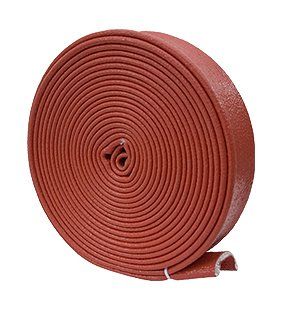
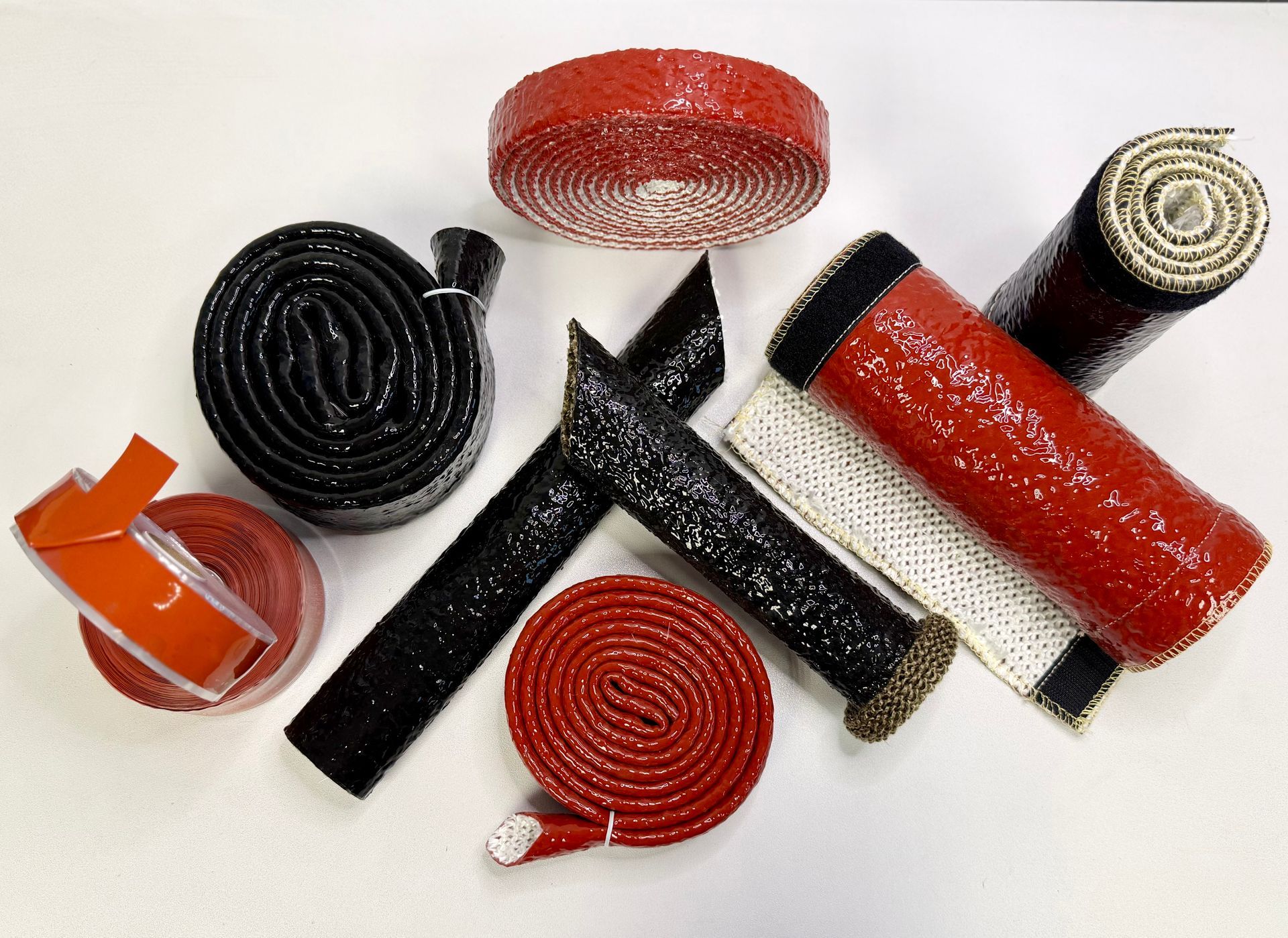
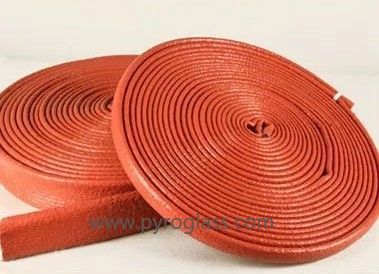
PGH.20/ROS : Firesleeve is a high-performance red oxide silicone coated glass fibre sleeving designed to provide exceptional thermal insulation and fire protection for hoses, cables, wires, hydraulic lines and industrial pipework operating in high-temperature environments.
Manufactured from durable texturised E-glass knitted glass sleeving coated with a consistent layer of iron oxide (red) silicone elastomer rubber, our firesleeve delivers superior resistance to direct flame, molten metal splash, radiant heat, abrasion, oils, fuels, hydraulic fluids and harsh industrial conditions.
PGH.20/ROS sleeving possesses outstanding characteristics making it ideal for protecting hose assemblies, cables, and wires
British Manufactured by Pyroglass Ltd
PGH.20/ROS - Firesleeve is manufactured by
Pyroglass Ltd, a second-generation, family-owned British manufacturer of high-temperature textile heat protection solutions, established in Lancashire in 1987.

Need a non-standard diameter, pre-cut assembly or retrofit solution? See our Custom Firesleeve Solutions
Availability
Standard method of supply: 15M coils
(Can also be supplied in other lengths e.g. individual kits / layered into boxes on request).
Manufacture Lead-time: All standard diameters are available ExStock and can be despatched same day.
(Non-standard sizes, lengths and colours may require a manufacture lead-time - please enquire for exact lead-times).
Internal Diameters available: Ø6mm up to Ø127mm
Nominal thickness: ~4mm
Standard Colours: Red Oxide / Black
Characteristics
- Continuous protection at an operating temperature of 260ºC
- Ability to withstand a molten metal splash at 1200ºC
- Excellent flame resistance
- Provides personnel protection against burns from hot hoses, steam lines, etc.
- Helps to reduce energy loss by retaining heat within pipework
- When exposed to flame the high grade elastomer rubber will form a protective SiO2 layer
- Highly resistant to most oils, hydraulic fluids, fuels, acids, and alkalis
- Good abrasion resistance
- High flexibility
Our Firesleeves are tested and conform to:
- BS EN 45545-2:2020+A1:2023 European fire safety requirements for materials and components used in railway vehicles
- BS EN ISO 4589-2:2017 Determination of Burning Behaviour by Oxygen Index
- ISO 5659-2 Smoke Generation - Determination of Optical Density by a single chamber test
- NF X 70-100-1: 2006 & NF X 70-100-2: 2006 – Quantitative Analysis of Gases Produced Under Specific Conditions of Thermal Degradation in the Presence of Air.
- UL 94 / IEC 60695-11-10 - Flammability: Test Method: Silicone is rated as V-0
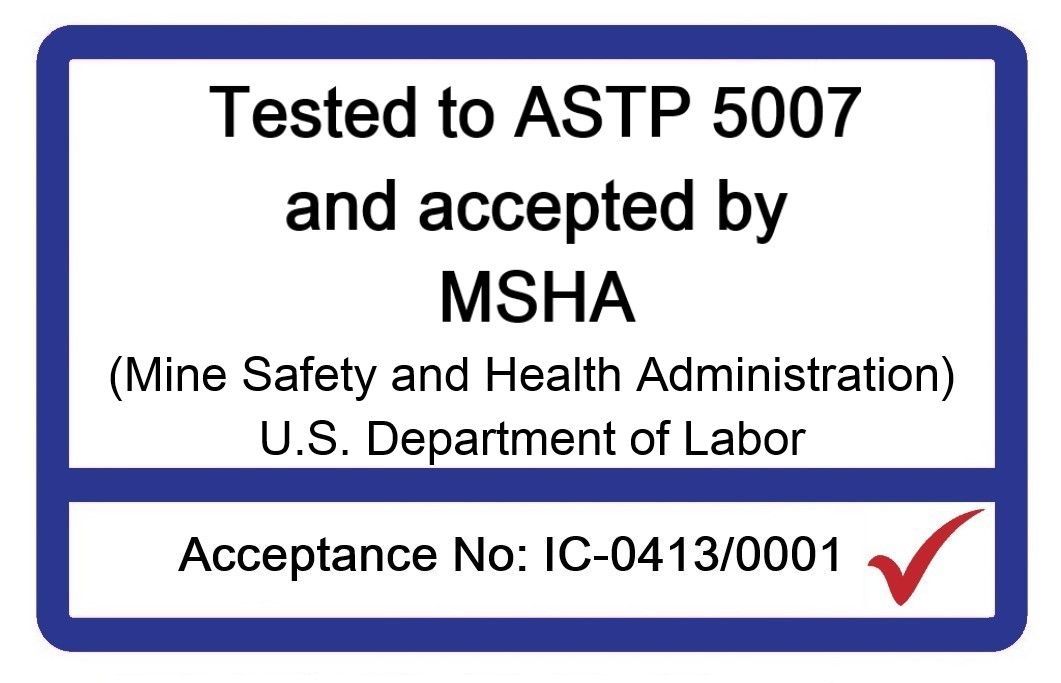
Our Firesleeves are also Accepted by MSHA (Acceptance Number: IC-0413/0001) – ASTP 5007
Compliance & Material Declarations
PGH.20/ROS Firesleeve is manufactured using materials selected to meet current European requirements for restricted substances and chemicals.
- POPs compliant – Regulation (EU) 2019/1021 on persistent organic pollutants
- REACH compliant – Regulation (EC) No. 1907/2006
- RoHS compliant – Directive 2011/65/EU, including Amendment 2015/863/EU
- PFAS free
- Conflict Minerals free
These declarations relate to the materials used in the manufacture of PGH.20/ROS. Customers should assess the complete assembled application against any additional regulatory, environmental or industry-specific requirements applicable to their installation.
Our Firesleeves support:
Railways Industry:
BS EN 45545-2:2020+A1:2023 the European fire safety standards for materials and components used in railway vehicles. These requirements help protect critical systems — including electrical cables, fuel lines and hydraulic hoses — in rail locomotives, tunnel networks, subways and underground transport systems from heat, sparks and fire exposure in confined environments. Designed to improve passenger safety and reduce fire risks, the standard supports compliance for modern rail and transit applications.
Maritime Industry:
Strict maritime fire safety regulations, including
The Merchant Shipping (Fire Protection) Regulations 2023 and
SOLAS fire safety standards, are designed to protect vessels, passengers and crew from fire-related risks at sea. These regulations support compliance for fire detection systems, fire-resistant materials and onboard safety equipment across commercial and marine applications. Adherence to Boat Safety Scheme
(BSS)
standards further ensures enhanced fire prevention, safety compliance and operational reliability for a wide range of vessels and marine environments.
Offshore Industry:
The Offshore Installations (Prevention of Fire and Explosion and Emergency Response) Regulations 1995
(PFEER) and the Offshore Installations (Offshore Safety Directive) Regulations 2015
(SCR 2015) establish strict offshore fire safety and emergency response requirements for the oil, gas and energy sectors. These regulations are designed to minimise the risk of fire, explosion and hazardous incidents on offshore installations by ensuring effective fire protection systems, emergency response procedures and safety-critical equipment compliance. Adhering to PFEER and SCR 2015 standards helps improve offshore safety, operational reliability and regulatory compliance across high-risk offshore environments.
FAQs
PGH.20/ROS - Red Oxide Silicone Coated Glass Sleeving - Technical FAQ's
Why is PGH.20/ROS Firesleeve made from knitted E-glass fibre with a silicone elastomer coating?
PGH.20/ROS Firesleeve combines a texturised E-glass fibre knitted construction with a high-grade silicone elastomer coating to provide flexible protection against heat, flame and demanding industrial conditions.
The E-glass fibre provides the underlying high-temperature textile structure, while the silicone coating protects the glass fibre from abrasion and the surrounding environment. The silicone elastomer also provides resistance to many oils, hydraulic fluids, fuels, acids and alkalis.
This combination gives PGH.20/ROS Firesleeve a balance of thermal resistance, flexibility, mechanical protection and environmental resistance that is particularly suited to hydraulic hoses, cables, wires, pipework and other components operating in high-temperature environments.
What happens to PGH.20/ROS Firesleeve when it is exposed to flame or extreme heat?
The silicone coating and E-glass fibre construction work together when the firesleeve is exposed to severe heat.
Under sustained high-temperature or flame exposure, the silicone elastomer undergoes thermal degradation. As the organic components of the silicone break down, a heat-resistant silica (SiO₂) residue remains at the surface.
This inorganic layer provides an additional protective barrier around the E-glass fibre construction, helping the firesleeve continue to provide thermal protection during severe heat exposure.
PGH.20/ROS Firesleeve has also achieved an UL 94 V-0 flammability classification in independent testing, with zero recorded afterflame time and no flaming drips from the test specimens. This provides additional evidence of the flame-resistant behaviour of the silicone coated construction.
How can Firesleeve withstand 260°C continuously but protect against molten metal splash at 1200°C?
These temperatures represent different types and durations of thermal exposure.
The 260°C rating refers to the firesleeve's continuous operating temperature. The 1200°C figure relates to its ability to withstand a molten-metal splash, where the exposure to extremely high temperature is brief rather than continuous.
The distinction is important when specifying firesleeve protection. A material designed to withstand a short-duration molten-metal event is not necessarily intended to operate continuously at the same temperature.
PGH.20/ROS Firesleeve therefore provides ongoing protection in high-temperature environments while also offering protection against short-duration, extreme thermal events such as molten-metal splash.
Actual performance will depend on the temperature, duration and nature of the exposure, as well as the component being protected and the installation.
How does PGH.20/ROS Firesleeve protect hydraulic hoses and cables from radiant heat?
A protected component can receive heat through radiation, convection and conduction, depending on the surrounding environment.
PGH.20/ROS Firesleeve provides a combination of a silicone protective outer layer (usually 1 - 2mm thick) and a 3-4mm thick knitted E-glass fibre thermal barrier around the component. This construction helps reduce the transfer of heat from the surrounding environment to the hose, cable, wire or pipework inside the sleeve.
The effectiveness of the thermal protection depends on factors such as the temperature of the heat source, distance from the heat source, exposure time, airflow and how the firesleeve is installed.
This makes PGH.20/ROS Firesleeve particularly useful in applications where hydraulic hoses, cables or pipework are routed close to engines, furnaces, hot pipework, exhaust systems or other sources of radiant heat.
Why is a silicone coated firesleeve more versatile than an uncoated glass fibre sleeve?
Uncoated glass fibre provides excellent thermal resistance up to around 600°C, but the silicone elastomer coating adds important properties for demanding industrial environments.
The silicone coating provides additional resistance to abrasion, oils, hydraulic fluids, fuels, acids and alkalis, while maintaining the flexibility needed for installation around hoses, cables and pipework.
The elastomer coating also provides a protective outer surface that helps the firesleeve withstand the mechanical and environmental conditions encountered in industrial applications such as mining, railways, marine and off-shore oil.
PGH.20/ROS Firesleeve therefore combines the thermal properties of E-glass fibre with the protective properties of a silicone elastomer, making it suitable where both heat protection and environmental resistance are required.
When should I choose PGH.20/ROS Firesleeve rather than PGT.3/ROS Silicone coated glass fibre tape?
The main difference is the form of protection and how it needs to be installed.
PGH.20/ROS is a tubular firesleeve designed to surround a hose, cable, wire or pipe, providing continuous protection around the component. It is particularly suitable where the sleeve can be installed over the component before fittings or connections are assembled.
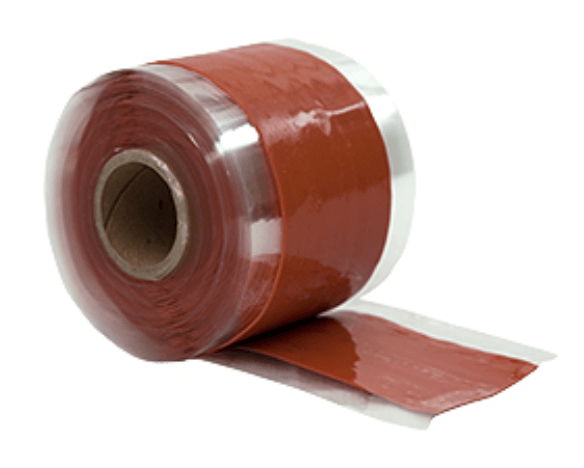
PGT.3/ROS Pyrotape, by comparison, is supplied as a flexible silicone coated glass fibre tape and can be wrapped around existing components. This can be advantageous where an assembly cannot easily be disconnected or where protection is required around a specific section.
Choosing between a Firesleeve and Pyrotape therefore depends on more than temperature alone. Component geometry, accessibility, installation method, movement, exposure conditions and the level of thermal and mechanical protection required should all be considered.
Where a tubular solution is practical, PGH.20/ROS provides continuous 360° coverage around the protected component. Where a tubular sleeve cannot be fitted, PGT.3/ROS provides a flexible wrap-around alternative.

| Standard Internal Diameters | Characteristics | |
|---|---|---|
| 6 | ||
| 10 | Effect of heat: | Will not burn |
| 13 | Retains 75% tensile strength at 340°C | |
| 16 | ||
| 20 | ||
| 22 | Effects of acids and alkalis: | Resistance to acids is fair |
| 25 | Resistance to alkalis is good | |
| 28 | ||
| 32 | ||
| 35 | Silicone rubber Durometer Shore A: | Initial: 30 |
| 38 | Aged 240hrs @ 200°C: 45 | |
| 41 | ||
| 44 | ||
| 50 | Dielectric Strength: | 19Kv/mm |
| 57 | ||
| 63 | Tensile Strength | 400,000 - 500 000 psi |
| 70 | ||
| 76 | Elastic Recovery | 100% |
| 83 | ||
| 89 | Specific Gravity | 2.54- 2.69 |
| 95 | ||
| 102 | Effect of bleaches and solvent | Unaffected |
| 114 | ||
| 127 |