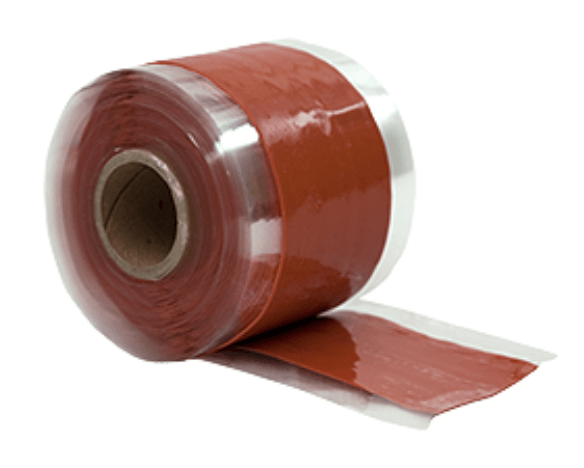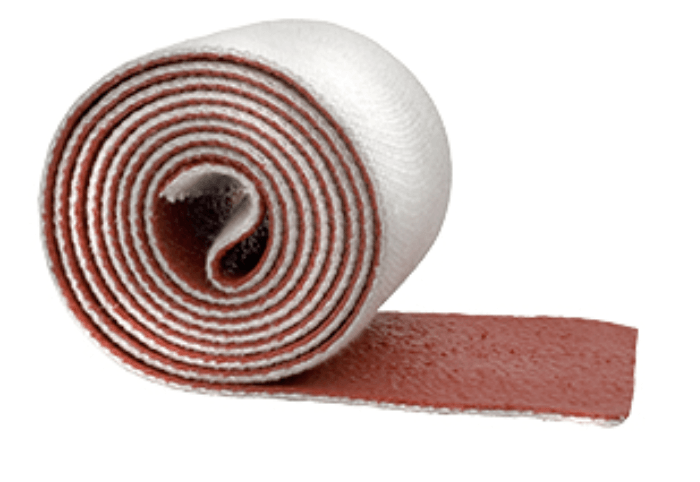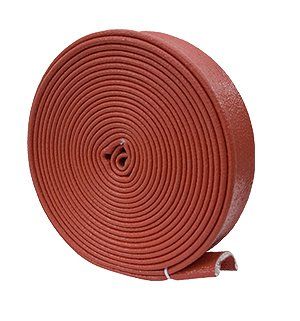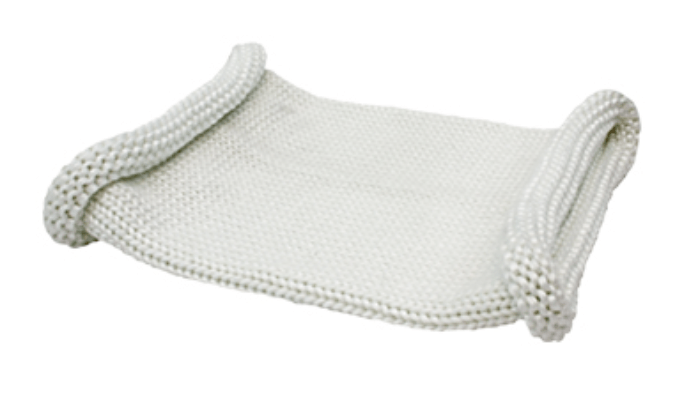
Our Firesleeve (PGH.20/ROS) achieves UL 94 V-0 Flame Rating: What Does It Mean?
UL 94 Vertical Flame Testing
of our Firesleeve:
| Test detail | Pyrosleeve result |
|---|---|
| Product tested | Firesleeve PGH.20/ROS |
| Flammability test | UL 94 Vertical Orientation Flammability Test |
| Test method | 50W Vertical Flame Test |
| Standard | UL-94:2014, Paragraph 8 |
| UL94 classification | V-0 |
| Total afterflame time | 0 Seconds |
| Flaming drips | None observed |
| Burned to holding clamp | No |
| Independant laboratory | Impact Solutions - Test Laboratory and Innovation Centre, Scotland |
| Test report | IMP07392-LR |
What this means:
Pyrosleeve's Firesleeve (PGH.20/ROS) has achieved the highest classification within the UL 94 V-0, V-1 and V-2 vertical burning system, with no recorded afterflame following either flame application during independent flame-resistant performance testing of our silicone coated glass fibre firesleeves.
In August 2026, we commissioned Impact Solutions to carry out UL-94 vertical orientation flammability testing on our firesleeve (PGH.20/ROS).
The result? Pyrosleeve's Firesleeve achieved a V-0 classification, the highest classification within the UL-94 V-0, V-1 and V-2 vertical burning system.
Even more notably, the five specimens tested recorded a total afterflame time of 0 seconds. None of the specimens produced flaming drips and none burned up to the specimen clamp.
But what does
UL 94 V-0
actually mean, and why is it important when choosing a firesleeve?
What is UL 94 flame testing?
UL 94 is a recognised flammability testing standard used to assess how a material behaves when exposed to a controlled flame.
Its full title is: "Test for Flammability of Plastic Materials for Parts in Devices and Appliances"
In simple terms, the test looks at whether a material continues to burn after a flame is applied and removed. It also looks at:
- how quickly the material stops burning
- whether it continues to glow
- whether burning material drips from the specimen
- whether flames travel up the specimen
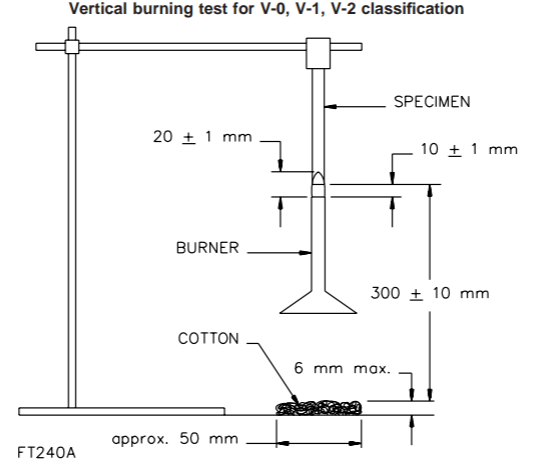
For our test, Impact Solutions carried out a 50W Vertical Flame Test in accordance with UL 94 Paragraph 8.
The specimens were positioned vertically and exposed to a controlled methane flame for 10 seconds. The flame was then removed, and the 'afterflame' and 'afterglow' behaviour was recorded. The flame was subsequently reapplied for a further 10 seconds and the process repeated.
What does UL 94 V-0 mean?
The UL 94 standard includes several classifications for vertical burning performance, including:
- V-0 <-- the highest of these 3 classifications.
- V-1
- V-2
To achieve V-0, individual specimens must have an afterflame time of no more than 10 seconds, while the total afterflame time for the five specimens must not exceed 50 seconds.
The material must also:
- Not continue burning or glowing up to the holding clamp
- Not produce flaming particles or drops that ignite the cotton indicator below
- Meet the specified combined afterflame and afterglow time requirements (see table below)
In plain English...
A V-0 result means the material stops flaming very quickly when the flame source is removed and does not produce flaming drips that could ignite material underneath.
That is particularly relevant for applications where materials are installed close to cables, hoses, pipework or other components where uncontrolled flame spread or burning droplets could present an additional hazard.
What happened when Pyrosleeve's Firesleeve was tested?
The results from our firesleeve tests were very positive.
5 x Firesleeve specimens were tested and the results were:
- Total afterflame time was: 0 seconds
- No afterflame following either flame application
The laboratory also reported that none of our specimens showed signs of ignition while the flame was being applied. Following flame removal, there was only a limited cherry-red afterglow at the bottom of the material, together with a small amount of smoke ring production.
Importantly, none of the specimens produced flaming drips and none burned up to the specimen clamp.
The individual test results were:
| Specimen | First afterflame | Second afterflame | Afterglow | Flaming drips | Burned to the clamp |
|---|---|---|---|---|---|
| 1 | 0 sec | 0 sec | 13 sec | No | No |
| 2 | 0 sec | 0 sec | 13 sec | No | No |
| 3 | 0 sec | 0 sec | 4 sec | No | No |
| 4 | 0 sec | 0 sec | 0 sec | No | No |
| 5 | 0 sec | 0 sec | 14 sec | No | No |
The laboratory recorded a total afterflame time of 0 seconds, resulting in the final classification of V-0.
Standard UL 94: 'V-0' vs 'V-1' vs 'V-2'
So, what is the difference between the three classifications of UL 94?
| UL 94 classification | Maximum individual afterflame | Flaming drips |
|---|---|---|
| V-0 | 10 seconds | Not permitted |
| V-1 | 30 seconds | Not permitted |
| V-2 | 30 seconds | Permitted |
The V-0 classification therefore represents the most demanding of these three vertical burning classifications.
Why is UL 94 V-0 important for firesleeve?
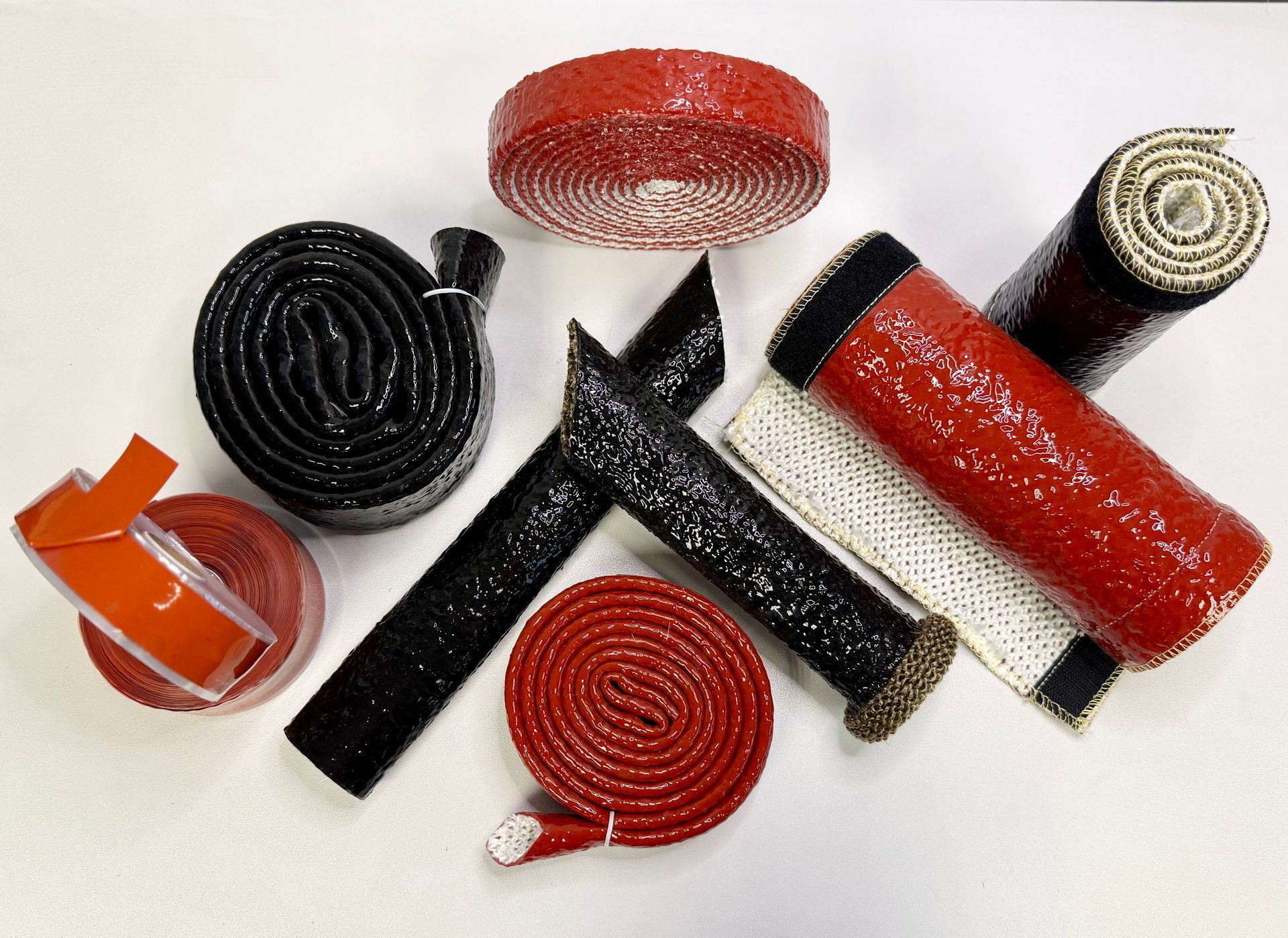
Firesleeve is used to provide thermal and flame protection around components such as hydraulic hoses, fuel lines, cables, wiring and pipework installed into critical systems where components may be exposed to elevated temperatures or potential flame hazards.
Industries include:
- Railways & rolling stock
- Underground transport systems
- Mining
- Heavy-duty vehicles
- Industrial machinery
- Power generation
- Marine applications
- Fire suppression systems
- Intelligent Robot Industries
When selecting a protective sleeve for a demanding application, engineers need to consider more than simply the maximum operating temperature. How a material behaves when exposed to flame is also a very important consideration, particularly where sleeving is installed close to heat-producing components.
A UL 94 V-0 result provides useful additional information about the flammability behaviour of the tested Firesleeve construction. For applications where flame resistance and protection from heat are important design considerations, this additional test data can help engineers make a more informed material selection.
Is UL 94 V-0 the same as a 250°C temperature rating?
No - and this is an important distinction!
UL 94 V-0 is a flammability classification, not a continuous operating temperature rating.
Our firesleeve has a stated continuous operating temperature of up to 250°C, while its UL 94
V-0
result relates specifically to its behaviour during the controlled vertical flame test.
These are two different characteristics and should not be confused.
The UL 94 test also does not by itself determine the complete fire performance or suitability of a product for every application. The laboratory report specifically notes that the results relate to the behaviour of the test specimens under the conditions of the test and should not be used as the sole criterion for assessing potential fire hazard in service.
How was Pyrosleeve tested?
The testing was carried out by Impact Solutions on Pyrosleeve PGH.20/ROS, with a nominal specimen thickness of 5.0 mm.
The specimens were prepared to the required dimensions and conditioned at 23 ± 2°C and 50 ± 5% relative humidity for at least 48 hours before testing.
During the test, specimens were mounted vertically and exposed to a controlled 50W methane flame. The flame was applied to the bottom edge of each specimen for 10 seconds, removed, and then reapplied for a further 10 seconds. Afterflame, afterglow, flame spread and flaming drips were recorded.
The testing was performed under UL 94:2014, Paragraph 8. The report identifies the 50W Vertical Flame Test as a non-UKAS test within the laboratory's report.
What does this mean for Pyrosleeve customers?
The V-0 result gives customers and engineers another piece of independently generated test data when evaluating Pyrosleeve's Firesleeve for demanding applications.
Combined with the product's silicone-coated glass fibre construction and thermal protection capabilities, the result demonstrates the importance we place on testing, quality and continual product development.
We believe engineers should be able to specify protective textile products with confidence — supported by clear, meaningful technical information rather than simply relying on marketing claims.
Frequently Asked Questions
What is a UL 94 V-0 rating?
UL 94 V-0 is the highest classification within the V-0, V-1 and V-2 vertical burning classification system. It indicates that the tested material meets stringent requirements for afterflame and afterglow behaviour and does not produce flaming drips during the test.
Is V-0 the highest UL 94 rating?
YES
V-0 is the highest classification among the UL 94 vertical V-0, V-1 and V-2 classifications. Other UL 94 classifications and test methods exist, so it is more accurate to describe V-0 specifically as the highest of these three vertical classifications.
Did Pyrosleeve pass the UL 94 test?
YES - Our Firesleeve (PGH.20/ROS) achieved a V-0 classification during the UL-94 vertical orientation flammability test carried out by Impact Solutions in August 2026.
What was Pyrosleeve's afterflame time?
The five specimens recorded a total afterflame time of 0 seconds. Each specimen recorded 0 seconds after the first and second flame applications.
Did Pyrosleeve produce flaming drips?
NO - none of the five specimens produced flaming drips during the UL 94 test. None of the specimens burned up to the holding clamp.
Does UL 94 V-0 mean Pyrosleeve can operate continuously at a particular temperature?
NO - UL 94 V-0 is a flammability classification and should not be interpreted as a continuous operating temperature rating. Temperature performance and flame performance are separate characteristics.
Test results relate to the specimens tested under the conditions of the laboratory test. They should not be considered the sole criterion for assessing fire hazard or suitability for a particular application.