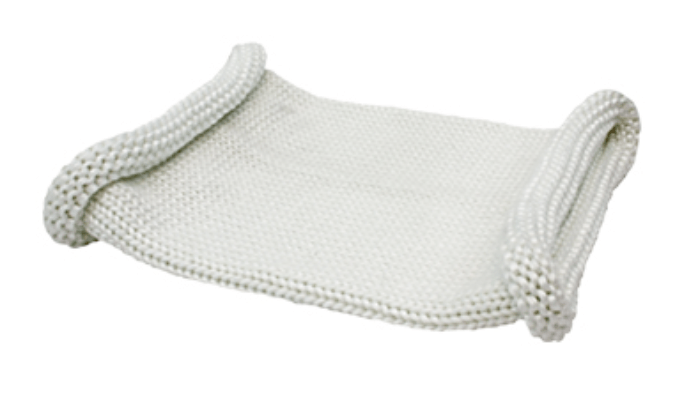
Surface Abrasion
The outer silicone gradually wears away where repeated rubbing occurs. Early intervention prevents exposure of the underlying glass fibre.
Contact us today on +44 (0) 1772 651265 for a free, no obligation consultation
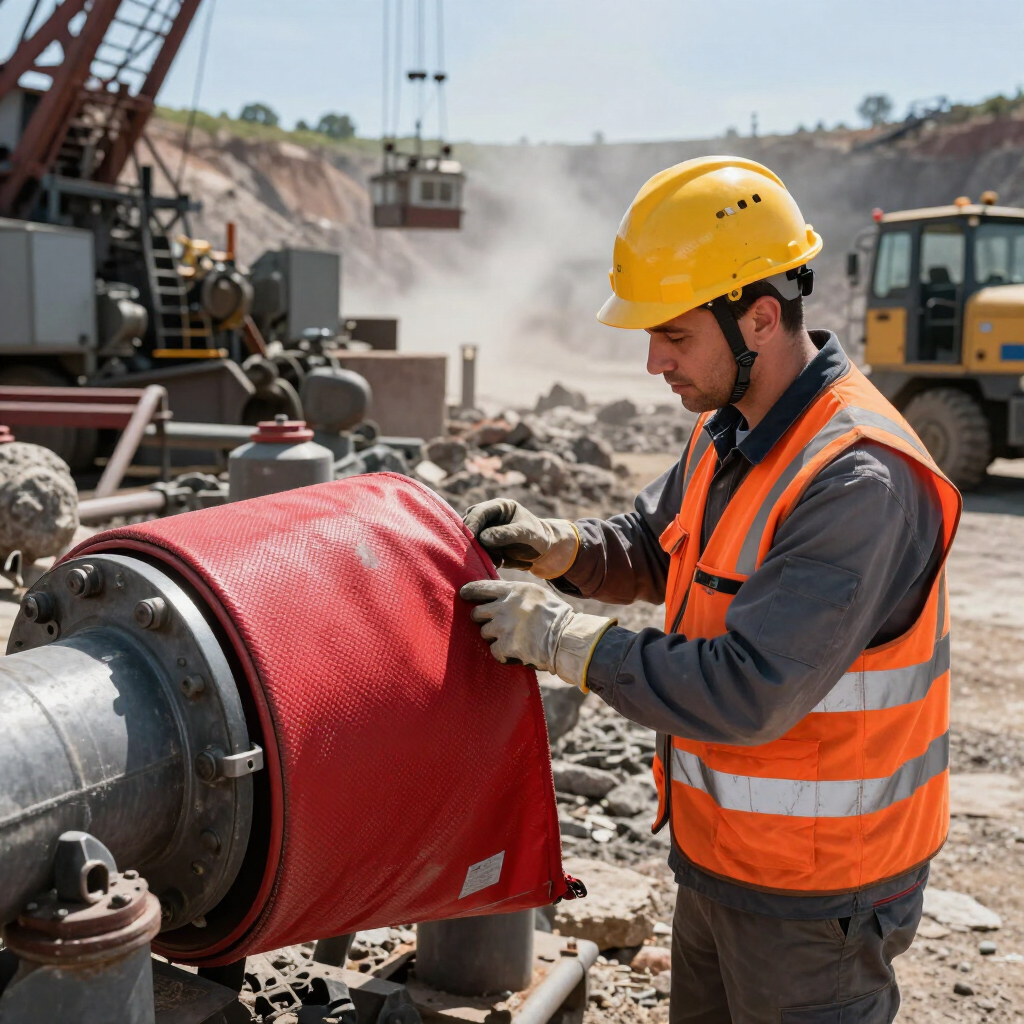
When protecting hydraulic hoses, fuel lines, electrical cables and industrial pipework from extreme temperatures, firesleeve is often expected to perform reliably for many years with little maintenance. However, one of the most common questions engineers, maintenance teams and procurement specialists ask is:
"How long should firesleeve last?"
The honest answer is that there is no fixed lifespan.
Unlike components with predetermined replacement intervals, the service life of a high-quality silicone-coated glass fibre firesleeve depends on numerous factors including operating temperature, environmental conditions, mechanical wear, chemical exposure and installation quality.
In controlled industrial environments, premium firesleeve may remain fully serviceable for many years. In harsher environments involving molten metal splash, continuous abrasion, hydraulic oil contamination or outdoor UV exposure, inspections should be carried out more frequently and replacement may be required sooner.
Understanding what influences firesleeve longevity helps maximise equipment protection, reduce unplanned downtime and improve maintenance planning.
Several interacting factors influence how long firesleeve continues to provide effective thermal protection.
Operating Temperature
Temperature is naturally the biggest influence.
A quality silicone-coated E-glass firesleeve is typically designed for:
Continuous operation close to maximum design temperatures accelerates ageing of the silicone elastomer coating.
The glass fibre insulation itself remains stable at temperatures beyond the limits of the silicone coating, but repeated thermal cycling gradually hardens elastomers over time.
Lower operating temperatures generally result in substantially longer service life.
Thermal Cycling
Many industrial systems repeatedly heat and cool throughout the working day.
This repeated expansion and contraction creates stresses within the silicone coating, with thousands of heating and cooling cycles over several years can eventually lead to:
This ageing process is gradual and should be monitored during routine inspections.
Mechanical Abrasion
In many applications, abrasion causes premature replacement long before heat damage occurs.
Typical sources include:
Silicone coatings provide excellent abrasion resistance, but no protective sleeve is immune to continuous mechanical wear. Proper routing and adequate support significantly extends service life.
Chemical Exposure
Industrial environments often expose firesleeve to:
High-quality silicone elastomers offer excellent resistance to many industrial fluids. However, prolonged immersion or exposure to aggressive chemicals beyond the material's design limits can accelerate degradation.
Always verify chemical compatibility for specialist applications.
Ultraviolet (UV) Exposure
Outdoor equipment presents different challenges. Over extended periods UV radiation slowly ages most elastomeric materials. Although silicone performs significantly better than many synthetic rubbers, long-term outdoor installations should still form part of scheduled inspection programmes.
Installation Quality
Incorrect installation remains one of the leading causes of premature failure. Common mistakes include:
Correct installation minimises unnecessary mechanical stresses throughout the product's life.
A well-manufactured firesleeve rarely fails without visible warning signs. Understanding typical failure mechanisms allows replacement before protection is compromised. Common failure modes include:
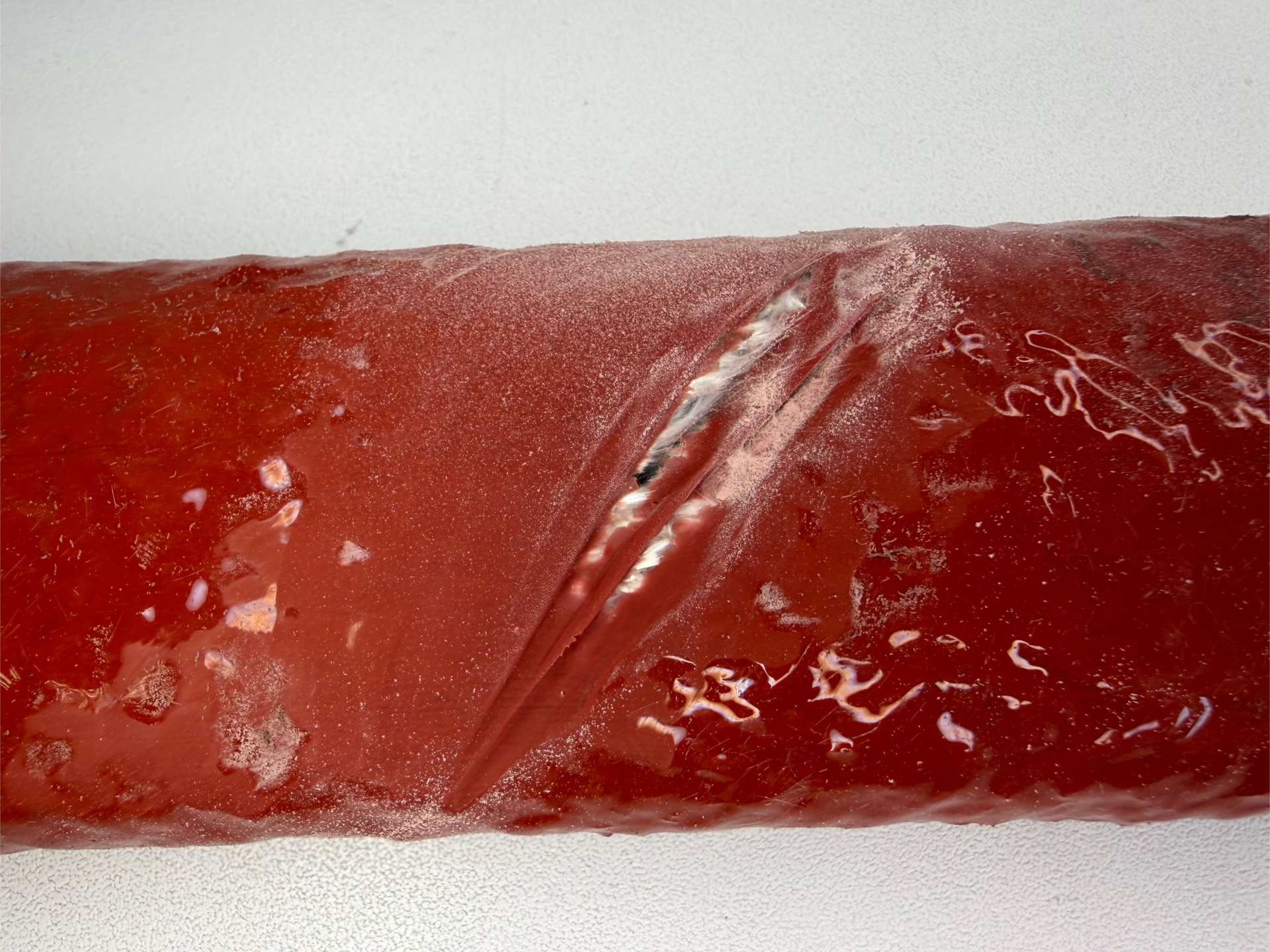
Surface Abrasion
The outer silicone gradually wears away where repeated rubbing occurs. Early intervention prevents exposure of the underlying glass fibre.
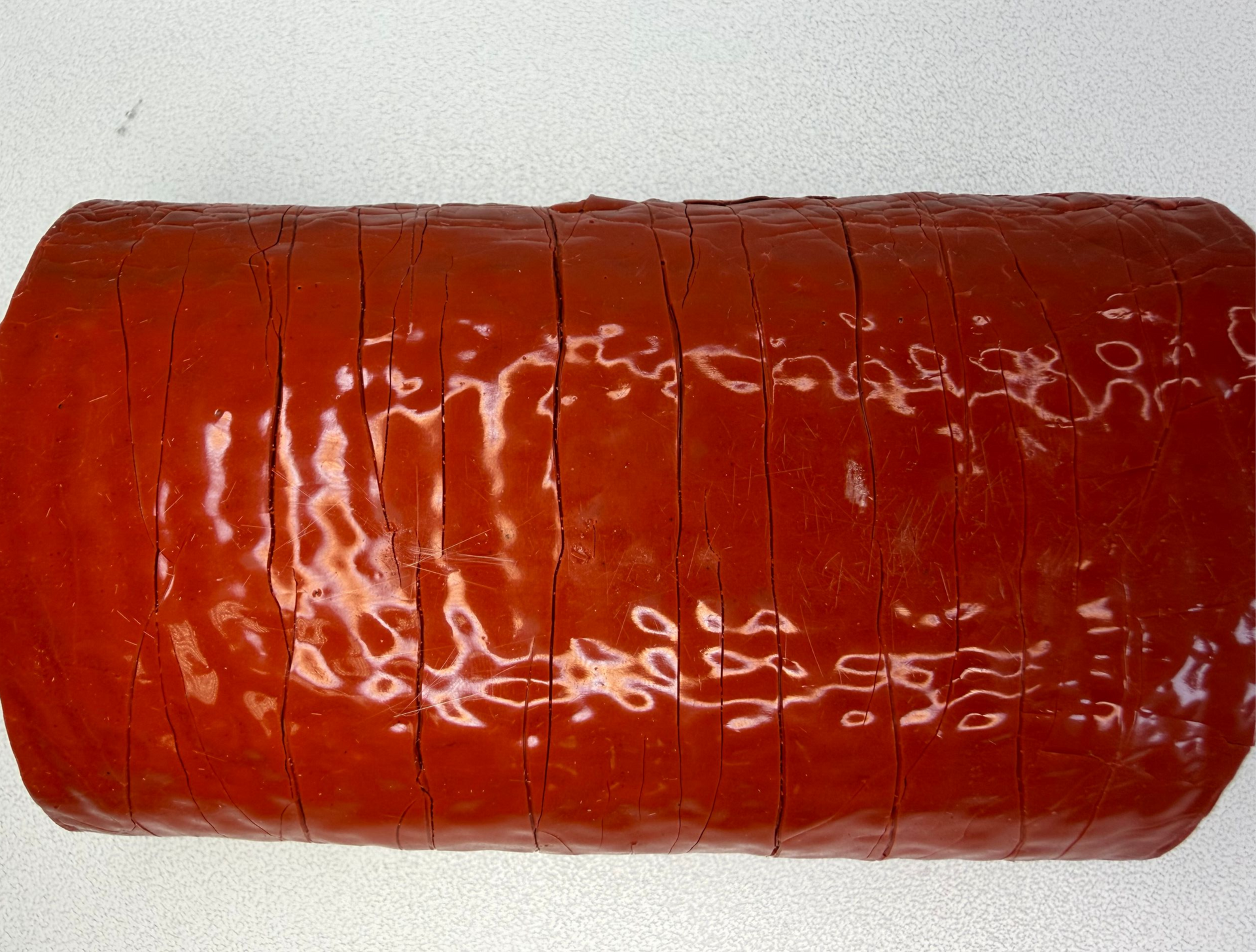
Silicone Cracking
Small surface cracks may develop after years of thermal ageing. Minor cosmetic cracking is not always cause for immediate replacement, but progressive cracking should be monitored.
Torn Glass Fibre
Mechanical damage can eventually penetrate through the silicone coating into the knitted glass fibre substrate. This significantly reduces thermal protection and should normally trigger replacement.
Localised Heat Damage
Exceptional overheating may produce:
These indicate temperatures have exceeded the intended operating conditions.
Contamination
Heavy deposits of:
may conceal damage during inspections. Cleaning before assessment is recommended where practical.
Inspection frequency depends on the application's operating environment. As a general guide:
| Environment | Suggested Inspection Interval |
|---|---|
| Indoor industrial machinery | Every 6 - 12 months |
| Hydraulic power units | Every 3 - 6 months |
| Mobile plant | Every 3 months |
| Steel mills & foundries | Monthly |
| Marine engines | During scheduled servicing |
| Mining equipment | Frequent visual inspection |
| Motorsport | Before every event |
Where equipment is considered safety-critical, inspections should always follow the machinery manufacturer's maintenance schedule.
Maintenance personnel should inspect for:
✔ Cuts
✔ Tears
✔ Abrasion
✔ Missing silicone
✔ Burn marks
✔ Brittle coating
✔ Oil saturation
✔ Loose securing methods
✔ Heat discolouration
✔ Exposed glass fibre
If any of these conditions are observed, further assessment should be carried out before returning equipment to service.
Generally, no.
Unlike some protective products that fail catastrophically, quality firesleeve normally deteriorates gradually.
This progressive ageing provides maintenance teams with opportunities to identify deterioration during routine inspections before thermal protection is significantly compromised.
Where firesleeve has been carefully removed without damage and remains in excellent condition, reuse may be technically possible in some non-critical applications. However, in safety-critical environments it is generally recommended that damaged or heavily aged firesleeve is replaced rather than reused. Replacing worn firesleeve is usually inexpensive compared with the potential cost of hose failure, equipment damage or unplanned downtime.
Absolutely! Not all firesleeves are manufactured to the same standards.
Factors that influence long-term durability include:
Consistent manufacturing processes help ensure that every production batch delivers predictable thermal performance and mechanical durability. For engineers specifying firesleeve, selecting a manufacturer with established UKAS accredited quality systems and robust process controls can provide greater confidence in long-term performance.
The following practices can help extend operational life:
Not in the traditional sense. Firesleeve is designed as a durable protective component, but like any engineering material it will gradually age in service and should be inspected periodically.
In stable industrial environments with moderate temperatures and minimal abrasion, high-quality firesleeve can remain serviceable for many years. Actual service life depends on operating conditions and maintenance.
The most common causes are mechanical abrasion, excessive heat, incorrect installation, chemical attack and prolonged ageing.
Minor external contamination may be cleaned, but firesleeve with exposed glass fibre, significant abrasion or heat damage is generally best replaced.
Not necessarily. Durability depends on the overall design, material quality, coating formulation, curing process and manufacturing consistency—not just coating thickness.
There is no universal service life for firesleeve because every application places different demands on the material. The key to achieving long-term performance lies in selecting a high-quality product, installing it correctly and carrying out regular inspections as part of a preventative maintenance programme.
By understanding the factors that influence ageing—including temperature, abrasion, thermal cycling and environmental exposure—engineers can make informed decisions that maximise protection and minimise downtime.
At Pyrosleeve, our silicone-coated glass fibre firesleeves are manufactured in the UK under an UKAS Accredited ISO 9001 quality management system using carefully controlled production processes. This enables us to provide consistent, reliable thermal protection for demanding industrial applications, helping customers achieve dependable performance throughout the product's service life.
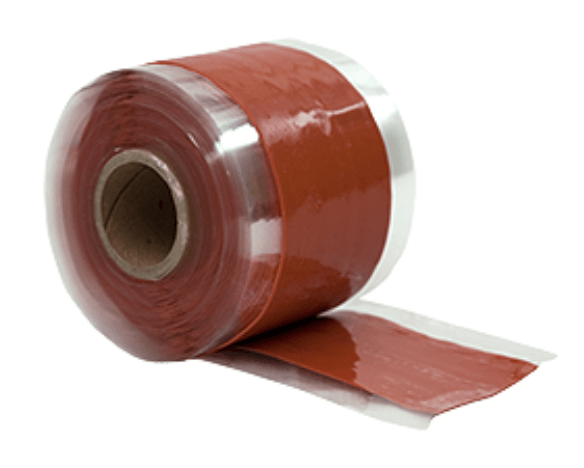
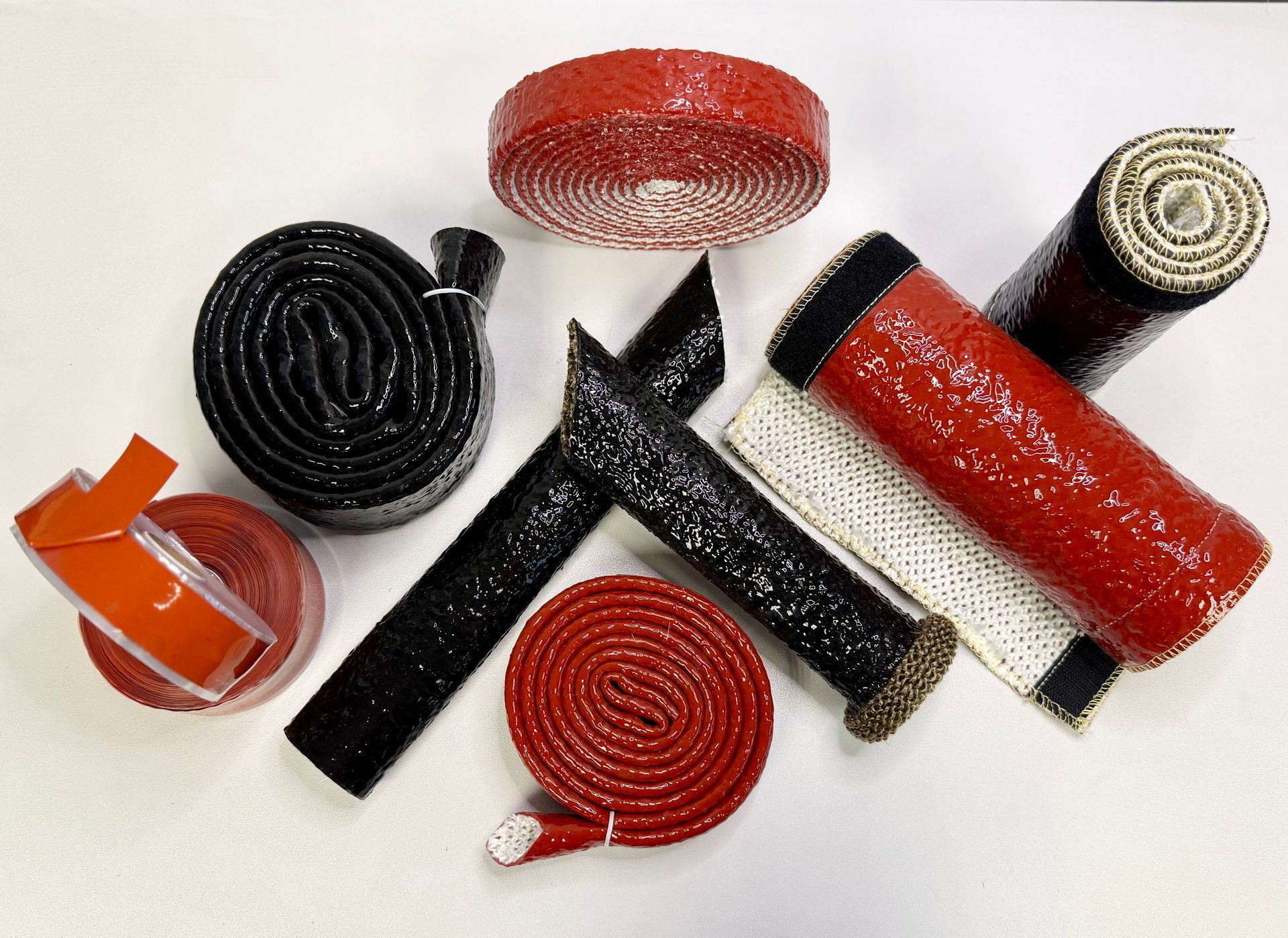
Self-fusing silicone rubber tapes - red
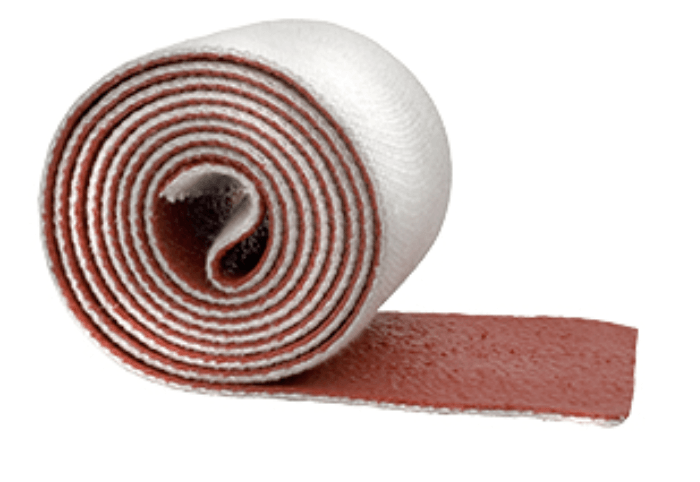
Silicone coated knitted glass fibre tape
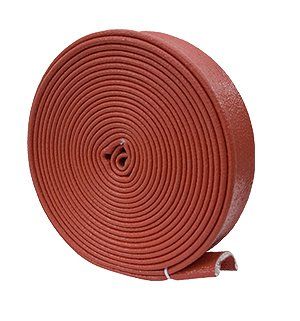
Silicone coated thick wall glass fibre sleevings
Thick wall knitted Basalt exhaust sleevings
Wherever there is a need to keep heat under control and to provide protection for personnel and equipment, Pyrosleeve Ltd can offer a firesleeve solution.
Pyrosleeve - Pyroglass Ltd
Unit 5 Astra Business Centre
Preston, Lancashire
PR2 5AP
United Kingdom
Telephone: +44 (0)1772 651265
Email: sales@pyrosleeve.co.uk
Registered in England and Wales: 02176681
VAT number: GB 477 3510 33
EORI number: GB 477 3510 33 000