
Bin Lorry Fires & Lithium Batteries: Could Firesleeve Protect Critical Components?
Lithium batteries: a growing fire risk for refuse vehicles
Lithium-ion batteries have become part of everyday life. They are found in mobile phones, vapes, power banks, rechargeable tools, toys, e-bikes, electrical equipment and countless other products.
But when batteries are incorrectly placed into household waste, they can create a serious and increasingly visible problem for the waste and recycling industry.
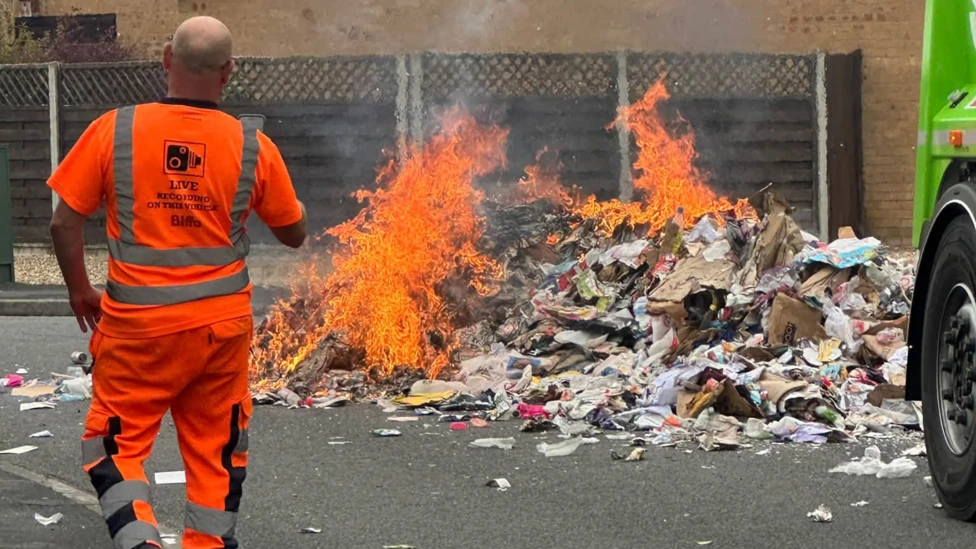
Once inside a refuse collection vehicle, batteries can be crushed or damaged during the collection and compaction process. In the wrong circumstances, this can result in smoke, ignition and fire.
For refuse vehicle operators, the consequences can extend well beyond the immediate fire itself. A vehicle may need to be taken out of service, critical hydraulic or electrical components can be exposed to intense heat, and an incident can result in significant vehicle damage, operational disruption and cost.
So, while preventing batteries from entering the general waste stream remains essential, could additional heat protection around critical vehicle components provide another layer of protection if a fire does occur?
This is where firesleeve has an interesting role to play.
Lithium batteries: a growing fire risk for refuse vehicles
Lithium-ion batteries should not be placed in ordinary household waste or recycling collections.
When batteries are damaged, crushed or short-circuited, they can enter thermal runaway and release significant heat. Within a refuse collection vehicle, the compaction process can create exactly the type of mechanical damage that may turn an incorrectly discarded battery into a fire hazard.
Recent incidents demonstrate that this is not simply a theoretical risk:
In July 2026, Herefordshire Council reported a bin lorry fire caused by a lithium battery that had been incorrectly disposed of in household waste. The collection crew spotted the fire and were able to safely empty the vehicle before Hereford & Worcester Fire and Rescue Service extinguished the fire.
In the same month, St Albans City and District Council reported an incident in which a battery discarded in household waste caused smoke to emerge from a 26-tonne refuse vehicle. The crew safely ejected the smouldering waste onto the road while the Fire Service attended.
More recently, in September 2026, Cumberland Council reported an incident involving an e-bike battery discovered inside a refuse vehicle. The battery began to smoke and hiss, prompting the crew to act quickly. Almost 10 tonnes of waste subsequently had to be emptied and checked to ensure the battery had not caused a fire to spread.
These incidents highlight an important point.
The waste itself may be the source of the fire, but the vehicle contains critical systems that still need to function during the emergency.
The scale of bin lorry fires
This is not an isolated problem affecting a handful of vehicles.
The Environmental Services Association (ESA) reported 216 battery-related fires in bin lorries in the year to March 2026, alongside 1,518 fires reported across its members' waste and recycling operations, as reported in The Guardian.
SUEZ has highlighted a Material Focus/National Fire Chiefs Council estimate of more than 1,200 battery-related fires each year across UK bin lorries and waste facilities. (suez.co.uk)
The precise number is difficult to establish because the source of every waste fire cannot always be determined.
What is clear is that lithium batteries are now recognised as a significant fire risk across waste collection, recycling and treatment operations.
And for refuse vehicles, the consequences can be particularly expensive.
In January 2026, North Warwickshire Borough Council reported a serious fire caused by a lithium battery in a household bin. The refuse vehicle was permanently damaged and no longer safe for use on the road.
The council estimated that replacing the refuse vehicle would cost approximately £250,000, while repair of the rear section could cost around £125,000. (northwarks.gov.uk)
Just two months later, North Warwickshire reported another bin-lorry fire — its third in four months.
On that occasion, the council stated that refuse vehicles cost approximately
£300,000, while hiring a temporary replacement vehicle cost around
£1,000 per week. It also noted that some vehicles may be written off entirely following fire damage. (northwarks.gov.uk)
What happens when a fire develops inside a bin lorry?
Modern refuse collection vehicles rely on hydraulic, electrical and mechanical systems to operate the collection and compaction equipment.
Hydraulic hoses, electrical cables, wiring and pipework may run around or close to areas where a fire could potentially develop.
If these components are exposed to intense heat or direct flame, their integrity can be compromised.
Damage to a hydraulic hose, for example, could result in loss of hydraulic pressure and potentially prevent equipment from operating. Damage to electrical wiring or control systems could similarly affect the vehicle or its ability to operate safely.
This raises an interesting engineering question:
Could firesleeve protect critical components during a bin lorry fire?
Firesleeve cannot prevent a lithium battery from igniting.
It cannot make a refuse collection vehicle fireproof.
And it should never be regarded as a replacement for appropriate fire detection, emergency procedures, vehicle design or safe battery disposal.
Its potential role is different.
Pyrosleeve’s Firesleeve provides a physical thermal barrier around vulnerable hoses, cables and other components. By adding heat and flame protection at identified risk points, its purpose is to reduce the rate of heat transfer to the protected component, potentially delaying heat-related damage.
What is firesleeve?
Firesleeve is a flexible high-temperature protective sleeve designed to shield hoses, cables, wires, hydraulic lines, fuel systems and pipework from demanding thermal environments.
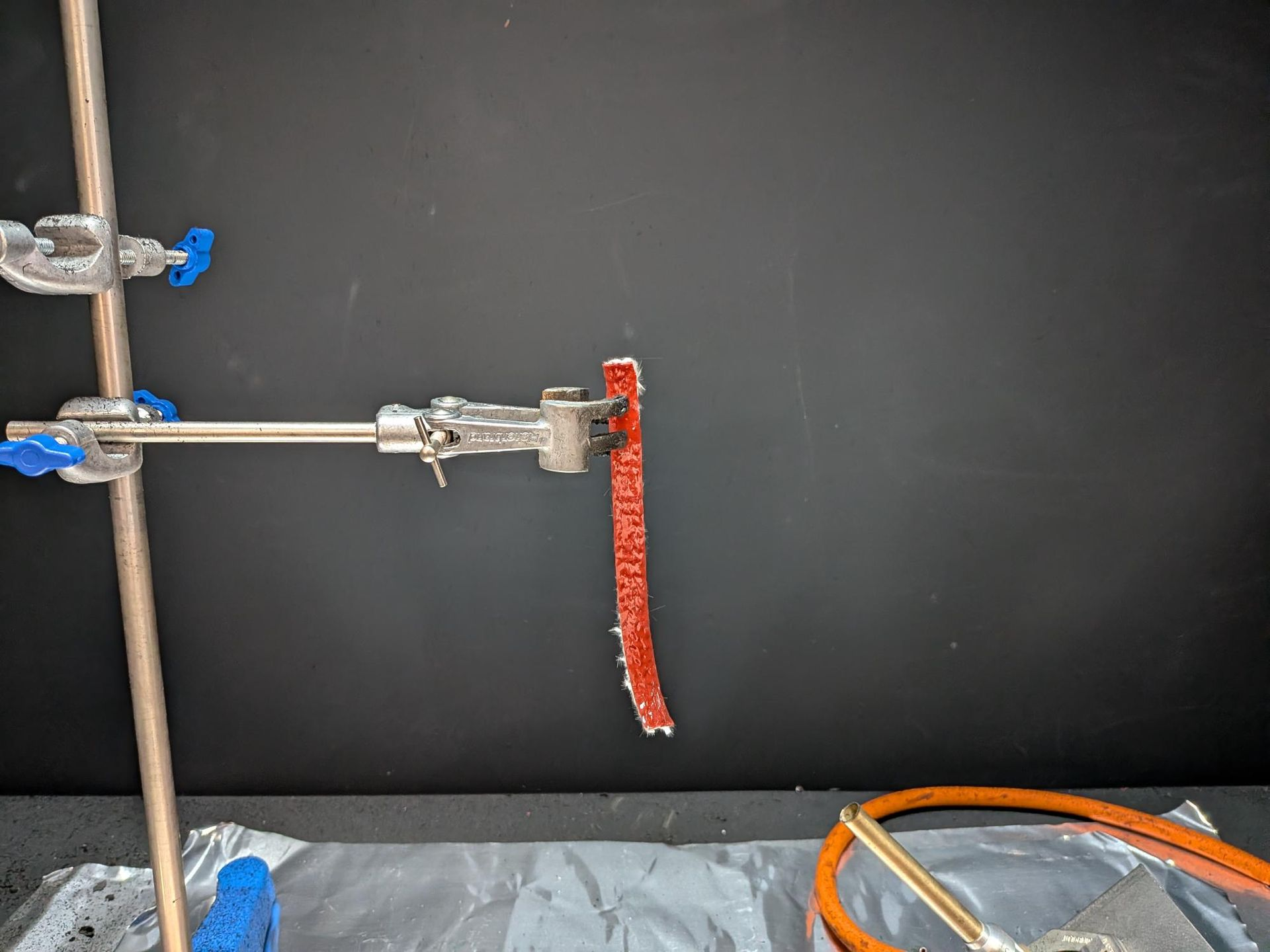
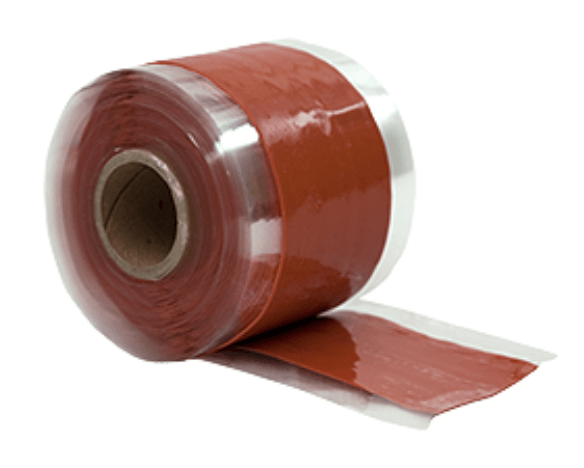
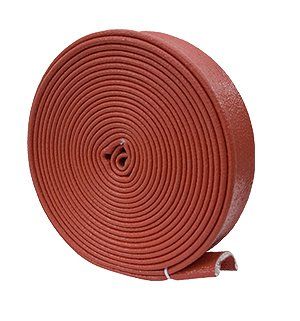
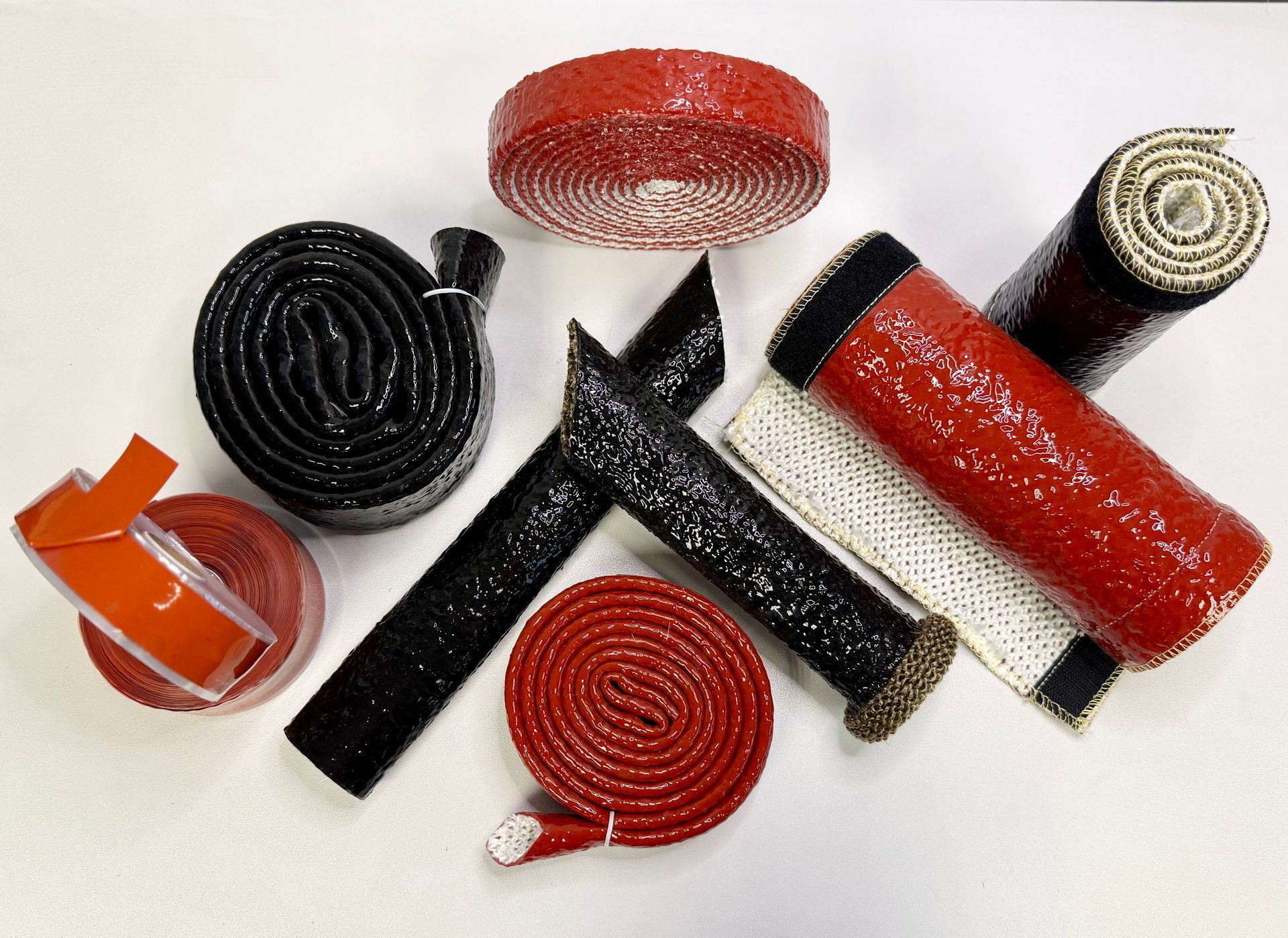
Pyrosleeve silicone-coated firesleeve combines a knitted, texturised E-glass fibre sleeve with a high-grade silicone elastomer coating.
The knitted E-glass construction provides the thermal barrier, while the silicone elastomer coating provides protection against flame, abrasion, moisture, oils, hydraulic fluids, fuels and other demanding environmental conditions.
For applications where components could be exposed to a combination of heat, flame, mechanical abrasion and fluids, this combination can offer advantages over an uncoated insulating sleeve.
Pyrosleeve's standard silicone-coated firesleeve is rated for continuous operating temperatures of up to 260°C, with resistance to intermittent molten-metal splash at temperatures up to 1,200°C. (Actual performance in any application depends on the complete installation, heat source, exposure duration and other environmental factors, so product specifications should always be considered alongside the specific application).
Could firesleeve help protect a refuse vehicle during a fire?
The answer depends on the vehicle, the location of the fire and the components being protected. There is no single firesleeve installation that will suit every refuse collection vehicle.
Instead, the potential application is to identify critical components where additional thermal protection could be beneficial.
These could include:
- Hydraulic hoses & lines
- Electrical cables & wiring harnesses
- Control cables
- Fuel or fluid lines where appropriate
- Other vulnerable components identified through vehicle risk assessment
The objective is not to protect every component on the vehicle.
It is to consider whether protecting strategically important components could help maintain their integrity for longer when exposed to an unexpected heat source.
The difference between preventing a fire and protecting against its consequences
This distinction is important.
The first priority must always be fire prevention.
That means encouraging correct battery disposal, improving public awareness, identifying battery-related hazards and ensuring refuse collection crews have appropriate procedures for dealing with suspected fires.
But accidents and incorrectly disposed batteries cannot always be eliminated.
A second layer of protection can therefore be worth considering.
For vehicle manufacturers and fleet operators, this could mean identifying components where heat exposure could have particularly serious consequences and asking whether additional thermal protection should form part of the vehicle's design or maintenance strategy.
Hook & Loop firesleeve: a potential retrofit solution for bin trucks
One of the challenges with existing refuse vehicles is that hoses, cables and pipework are already installed.
Removing a hydraulic hose or disconnecting a cable simply to install conventional tubular sleeving may be impractical, time-consuming or undesirable.
This is where Hook & Loop firesleeve can provide a practical retrofit option.
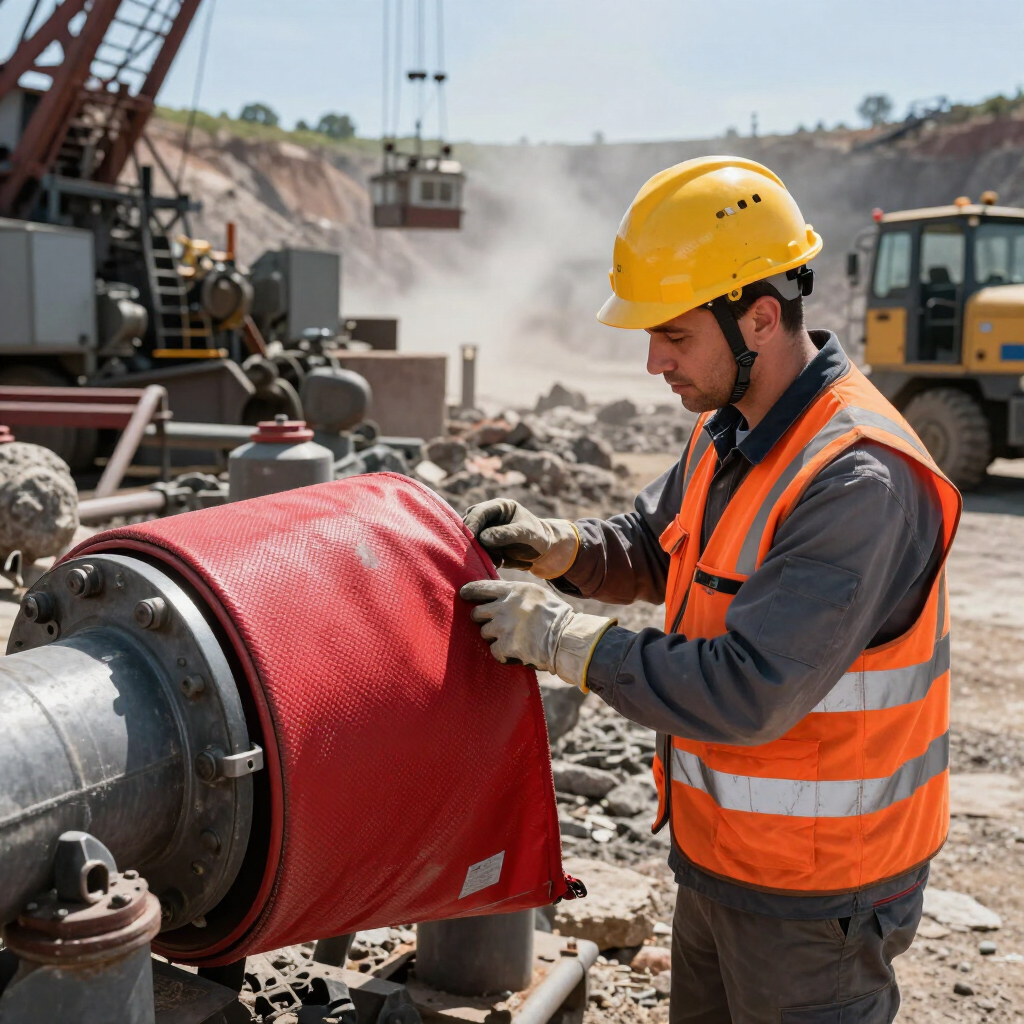
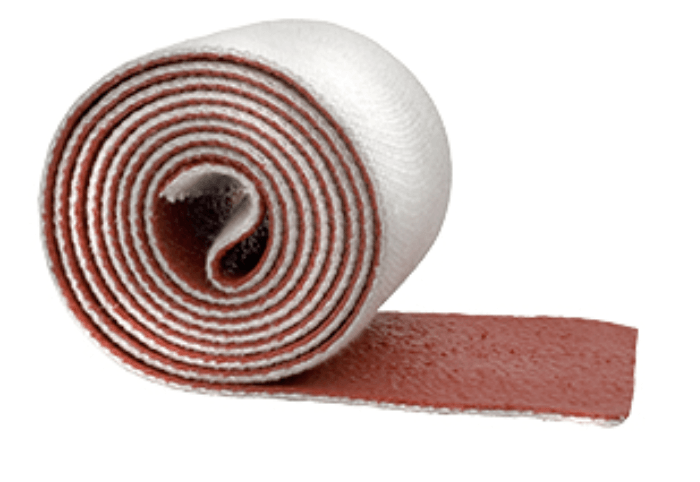
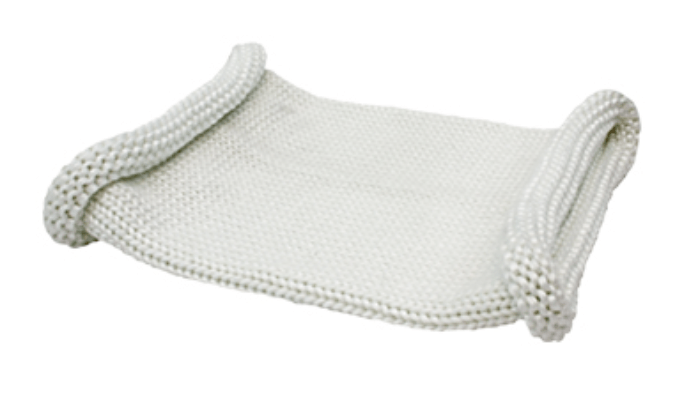
Pyrosleeve's PGH.20/ROS/VC is a silicone-coated glass fibre firesleeve incorporating a flame-retardant hook & loop closure. The sleeve can be opened along its length and fitted around an existing hose, pipe or cable assembly without requiring the component to be disconnected.
This makes hook & loop firesleeve particularly relevant when considering retrofit protection for existing refuse collection vehicles.
It can potentially be used to protect existing hose and cable assemblies in areas identified as being particularly exposed to heat.
The closure also allows the sleeve to be removed when required for inspection or maintenance.
For fleet operators managing multiple vehicle types, bespoke dimensions and made-to-length assemblies can also be considered.
Retrofitting existing refuse vehicle fleets with firesleeve
For a local authority or waste management company, replacing a complete vehicle following a serious fire can represent a significant operational and financial disruption.
This makes retrofit protection an interesting area for consideration.
A fleet engineering assessment could identify:
- Where hydraulic hoses and electrical systems are routed around the vehicle.
- Which components are closest to the refuse body or other potential heat sources.
- Which components are considered critical to safe vehicle operation.
- Which areas could benefit from additional heat or flame protection.
- Whether conventional firesleeve or a removable hook & loop configuration is most appropriate.
The intention would not be to assume that firesleeve will prevent vehicle damage.
Instead, it is about asking a practical engineering question:
Could additional thermal protection help delay damage to critical components long enough to support the safe management of a vehicle fire?
Firesleeve for refuse vehicle manufacturers
The same principle can be considered much earlier in the design process.
For refuse vehicle manufacturers and body builders, thermal protection can potentially be incorporated into the design around identified vulnerable areas rather than added later as a retrofit.
Pyrosleeve can manufacture standard and bespoke firesleeve configurations, including custom diameters, made-to-length assemblies, production kits and hook & loop retrofit solutions.
This gives OEMs the opportunity to consider thermal protection as part of the overall vehicle design.
For example, a manufacturer could identify specific hydraulic hose routes or electrical harnesses that could be exposed to elevated temperatures and assess whether a suitable firesleeve configuration should be incorporated during vehicle build.
Beyond battery disposal: protecting critical vehicle systems
The message around lithium batteries is rightly focused on prevention.
Residents need to understand that batteries should never simply be thrown into household waste or recycling bins.
However, waste collection vehicles operate in the real world, and incorrectly disposed batteries will continue to enter waste streams.
Recent UK incidents show the value of rapid detection and effective crew response. In several cases, crews have identified smoke or fire and discharged the waste before the situation became more serious.
That creates a short but potentially important window in which the vehicle, its crew and the surrounding public need to be protected.
Protecting critical hydraulic and electrical components cannot remove the fire risk.
But it could form part of a wider approach to protecting the vehicle's critical systems against heat exposure.
Could firesleeve help buy valuable time in bin lorry fires?
A refuse vehicle fire can develop rapidly and the ability to discharge the load, isolate the vehicle and allow emergency services to deal with the incident safely is critical.
Firesleeve is not a fire suppression system.
It is not a guarantee that a vehicle will survive a fire.
What it can provide is a flexible thermal barrier around selected components.
For refuse vehicle manufacturers, body builders, fleet operators and local authorities, that makes firesleeve an engineering solution worth investigating as part of a wider vehicle fire-risk strategy.
British-manufactured firesleeve from Pyrosleeve
Our silicone-coated firesleeves are manufactured from specialist E-glass fibre and high-grade silicone elastomer, with products designed for demanding applications involving heat, flame, abrasion, hydraulic fluids and other harsh operating conditions.
As a second-generation, family-owned British manufacturer, Pyroglass Ltd maintains control over the manufacturing process from raw material selection through production, testing and despatch. Our quality management system operates to ISO 9001:2015 under UKAS-accredited certification.
For refuse vehicle manufacturers and waste operators, we can discuss standard or bespoke firesleeve requirements, including hook & loop configurations designed for retrofit installation around existing hoses, cables and pipework.
Looking at heat protection for your refuse vehicle with firesleeve?
Whether you are designing a new refuse collection vehicle, managing an existing fleet or investigating additional protection following a vehicle fire, Pyrosleeve can help you assess the possibilities.
Send us photographs, drawings, hose dimensions or details of the areas you are looking to protect.
Our technical team can discuss the application and help identify a suitable firesleeve configuration — including removable hook & loop solutions where disconnecting existing components is not practical.
Could protecting critical components provide an additional layer of protection for your refuse vehicle?
Talk to Pyrosleeve about your application.
British manufactured. Technically supported. Designed around the application.
Frequently Asked Questions
Can firesleeve prevent a bin lorry fire?
No. Firesleeve cannot prevent a lithium-ion battery from entering thermal runaway or extinguish a vehicle fire. Its potential role is to provide additional thermal protection around selected hydraulic, electrical or other critical components.
Can firesleeve protect hydraulic hoses on refuse vehicles?
Potentially, depending on the hose location, heat source, exposure duration and installation. Firesleeve is designed to provide thermal and flame protection around hydraulic hoses and other assemblies.
Can firesleeve be fitted to an existing bin lorry?
Yes. Hook & Loop firesleeve can be installed around existing hoses, cables and pipework without disconnecting the assembly, making it suitable for retrofit applications. Pyrosleeve specifically identifies its PGH.20/ROS/VC as a retrofit solution.
Does 1,200°C firesleeve mean it can operate continuously at 1,200°C?
No. The 1,200°C figure refers to intermittent molten-metal splash resistance. The continuous operating temperature is substantially lower, and actual performance depends on the application and exposure conditions.
Which refuse vehicle components could benefit from firesleeve?
Potential candidates include hydraulic hoses, electrical cables, wiring harnesses, control cables and other components identified as vulnerable during a vehicle-specific thermal risk assessment.