What is BS EN 45545-2:2020+A1:2023?
The European "Gold Standard" for
Railway Fire Safety
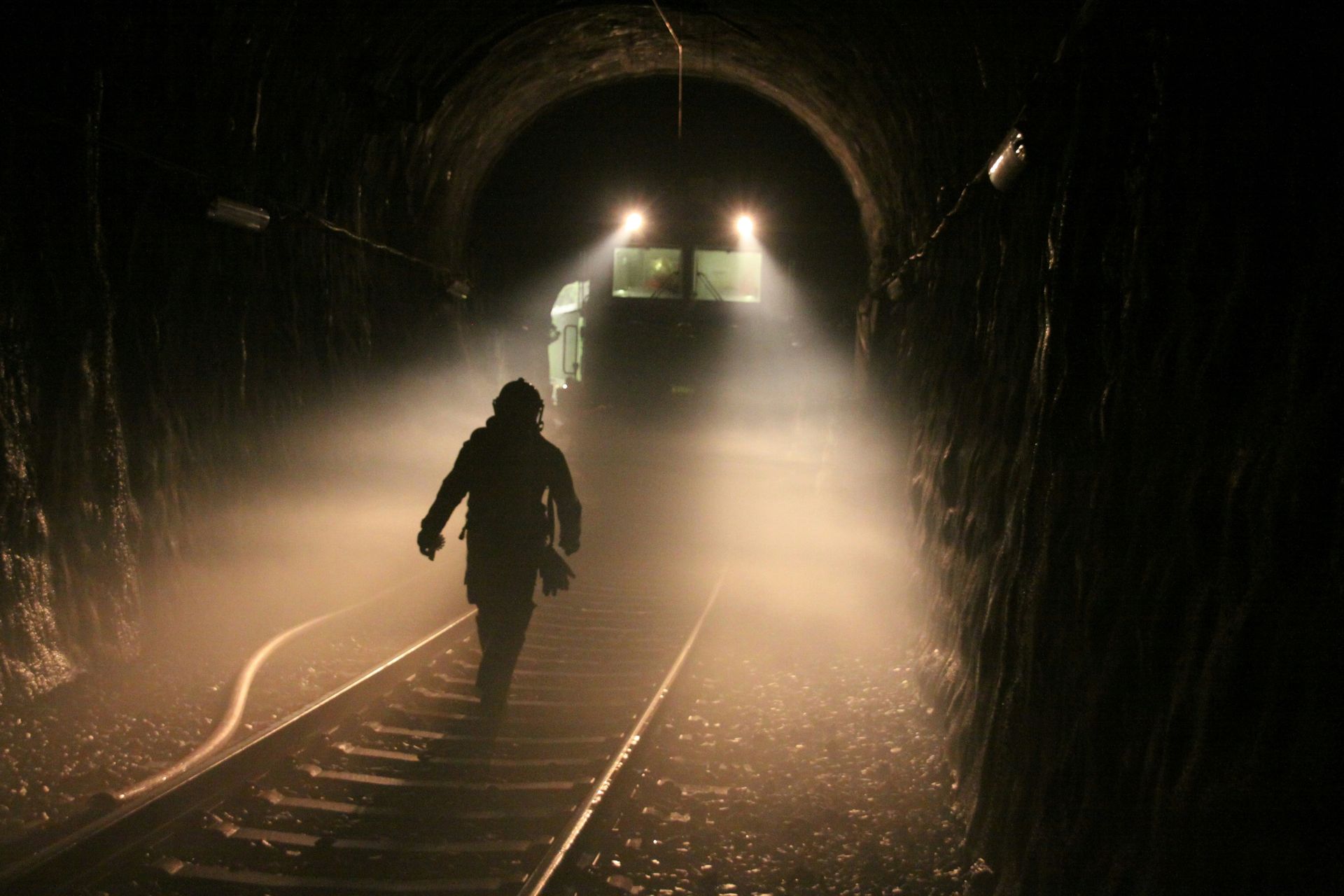
When a product is tested to EN 45545-2:2020, it means it has passed one of the most stringent fire safety standards in the European railway industry.
This certification ensures that materials used in railway and underground transport systems are designed to resist fire, minimise flame spread, reduce smoke generation and limit the release of toxic gases in the event of a fire.
For railway operators, manufacturers and infrastructure providers, compliance with EN 45545-2:2020 is essential for protecting passengers, staff and critical systems in high-risk transport environments.
What Is EN 45545-2:2020?
EN 45545-2:2020 is the European standard that defines fire safety requirements for materials and components used in railway vehicles. The standard evaluates how products behave under fire conditions, specifically focusing on:
1. Flame Spread - Assesses how quickly a material ignites and burns.
Test Standard: EN ISO 4589-2
2. Smoke Density - Measures how much smoke is produced & how severely visibility is reduced during a fire.
Test Standard: ISO 5659-2
3. Toxicity - Determines whether smoke emissions contain dangerous or potentially lethal gases such as carbon monoxide or hydrogen cyanide.
Test Standard: BS EN 17084:2018
Together, these tests ensure passengers have more time to safely evacuate railway vehicles and tunnels during a fire emergency.
The importance of EN 45545-2:2020
EN 45545-2 harmonises railway fire safety regulations across Europe and is widely recognised as the benchmark standard for rail vehicle fire protection.
The standard is critical because it sets strict performance requirements for:
- Flame spread control
- Heat release reduction
- Smoke suppression
- Toxic gas emission control
In confined environments such as railway carriages, underground tunnels and metro systems, these factors are vital for passenger safety and emergency evacuation.
Fire Risks in Rail and Underground Environments
Rail and underground transport systems operate in enclosed spaces where heat, vibration and limited ventilation can rapidly escalate fire risks.
Common fire hazards within railway infrastructure include:
- Electrical cables exposed to abrasion, vibration, and high engine temperatures
- Hydraulic and fuel lines routed near hot engines and braking systems
- Poor ventilation in tunnels and underground routes
- Sparks generated from braking, grinding, and maintenance operations
Without adequate protection, hoses, cables and wiring can become ignition points that compromise critical systems and passenger safety.
This is why fire protection products such as Firesleeve are essential within railway applications.
Where Is Firesleeve Used in Railway Vehicles?
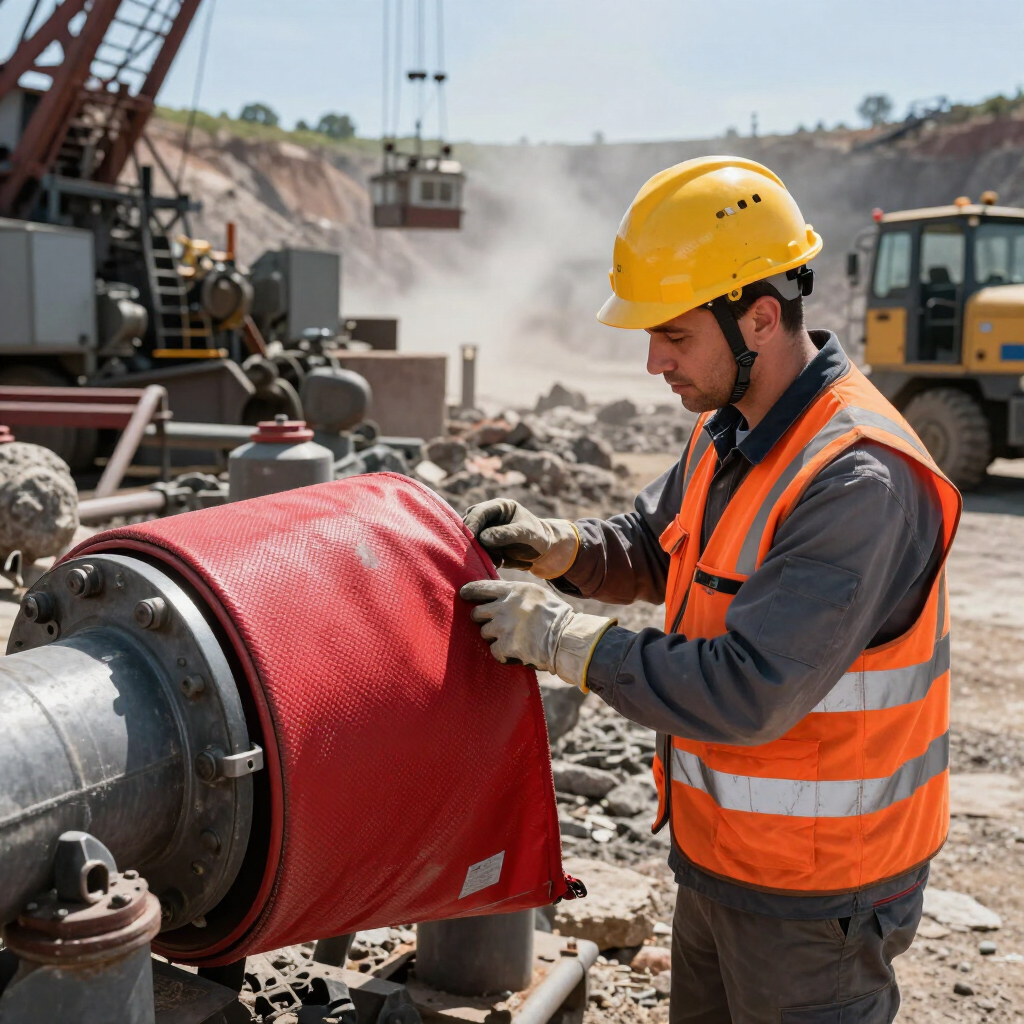
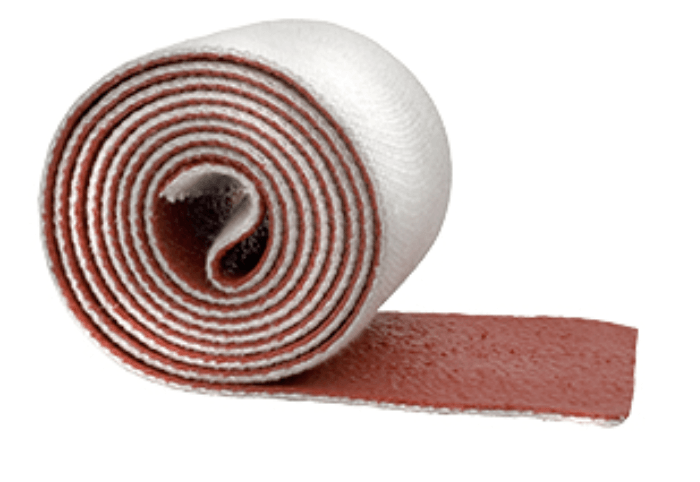
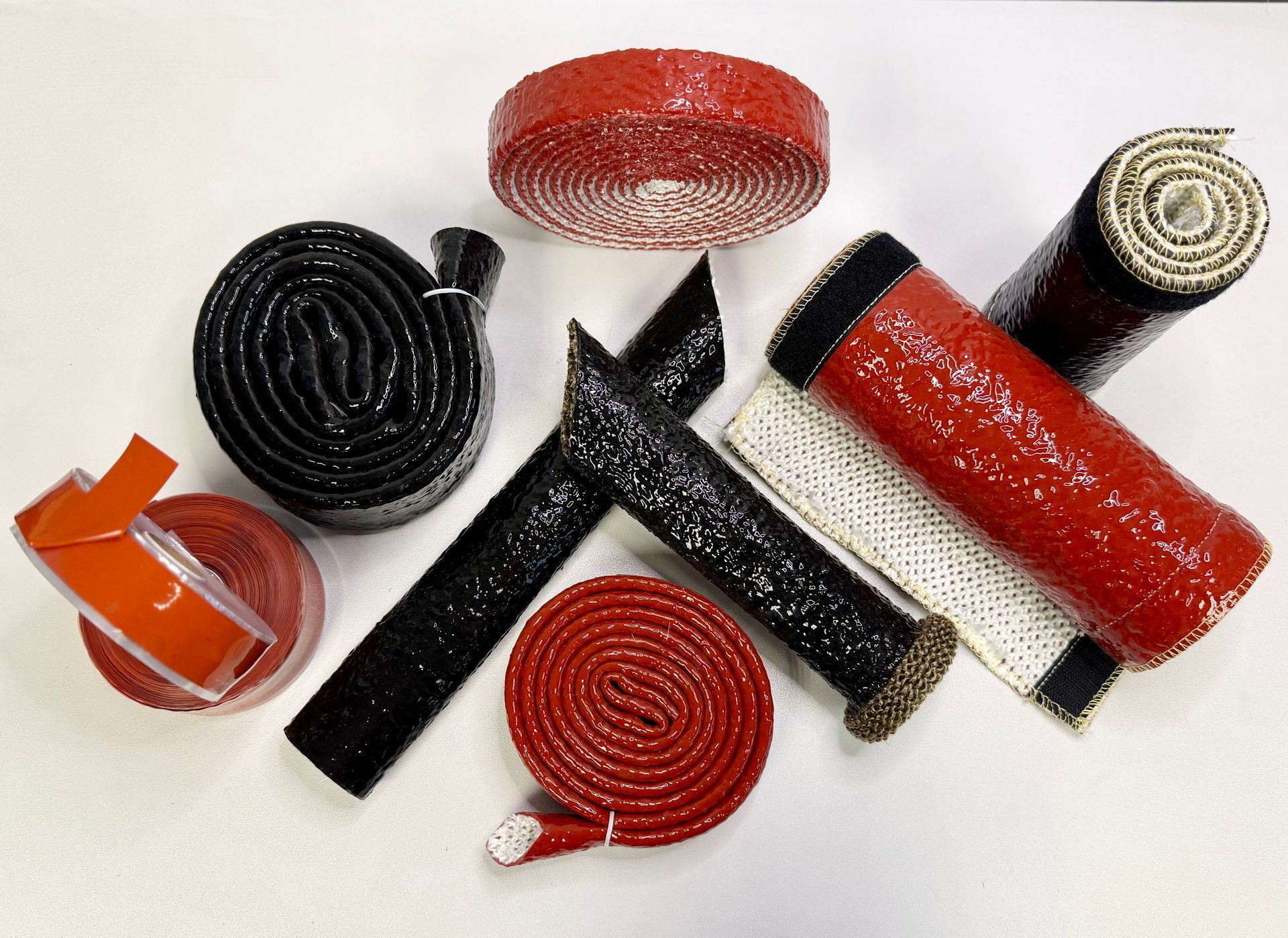
Firesleeve is installed over hydraulic hoses, electrical harnesses and fuel lines to provide protection against:
- Extreme heat
- Flame exposure
- Abrasion damage
- Mechanical wear
By protecting critical systems, Firesleeve helps reduce the likelihood of fire caused by damaged cables or fluid lines.
Common Applications for Firesleeve in railways:
Firesleeves are widely used in:
- Underground transport rolling stock
- Locomotive engine compartments
- Metro and subway infrastructure
- Hydraulic and pneumatic braking systems
- Electrical wiring near heat-emitting equipment
- Emergency lighting systems
- Fire suppression system components
- Critical evacuation route infrastructure
What Does “HL3 Rated Under R22” Mean?
If a product is classified as HL3 rated under R22, it has achieved the highest hazard level classification under EN 45545-2.
HL3 certification is required for the most demanding railway environments, including:
- Underground metro systems
- Sleeper trains
- Long tunnel operations
- High-capacity passenger rail systems
These applications present increased fire risks due to difficult evacuation conditions and confined operating environments.
An HL3 rating demonstrates that the product is suitable for use in virtually any railway application worldwide.
How Did Our Firesleeve Perform?
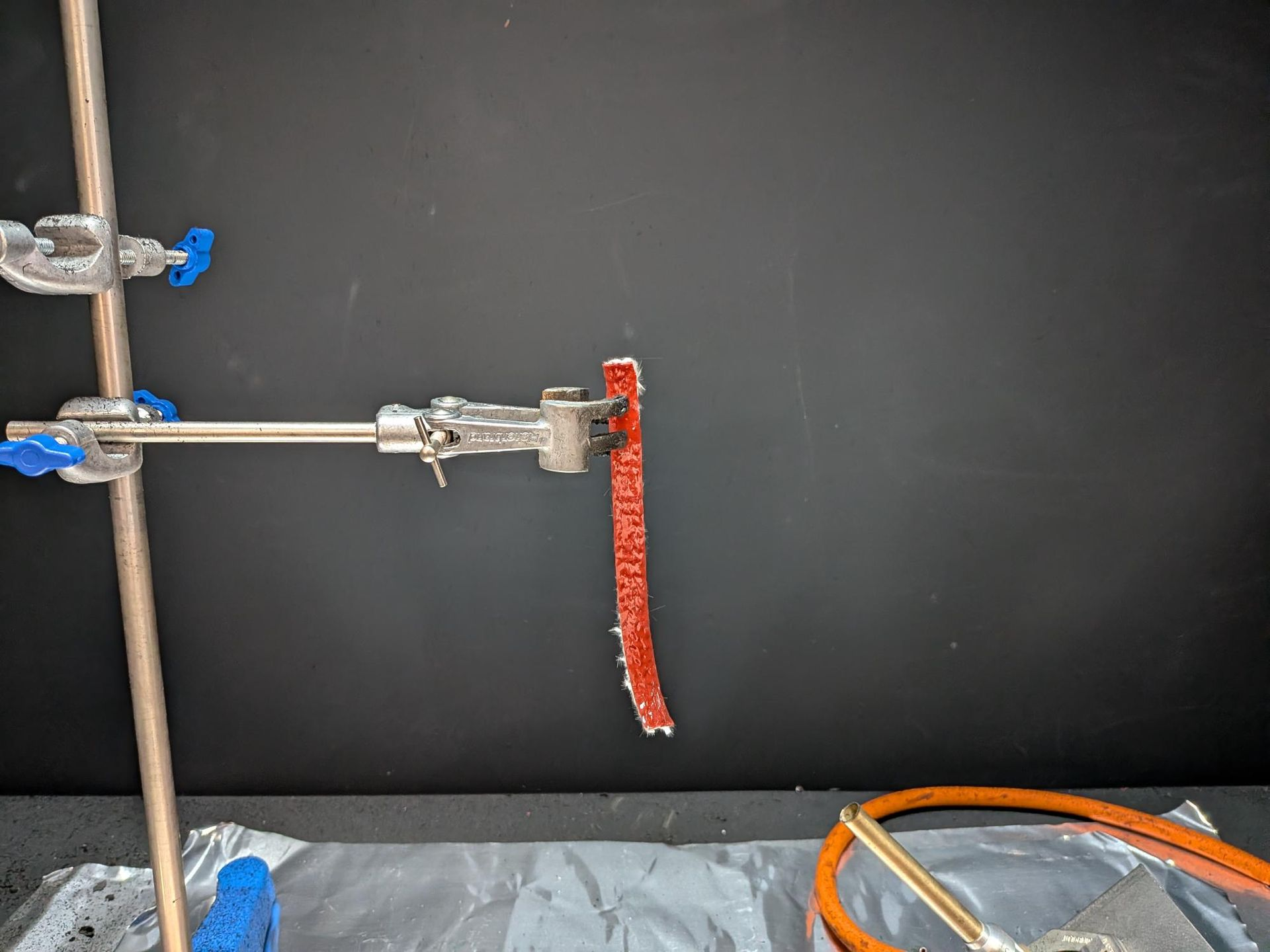
When tested in accordance with EN 45545-2:2020 requirements, our Firesleeve achieved compliance with:
- R22 requirements
- R23 requirements
- HL1, HL2, and HL3 hazard level classifications
This confirms our Firesleeve is suitable for use across a wide range of rail and underground transport applications around the world.
Why the Rail Industry Chooses Our Firesleeve
Our Firesleeve, sold under the trade name Pyrosleeve, has been specified throughout rail and underground industries because it delivers exceptional thermal and fire protection performance.
Key Features and Benefits
- Firesleeve is designed for high-temperature exposure
- It does not support combustion
- UL94 V-0 flammability rated
- Continuous operating temperature up to 260°C
- Retains 75% tensile strength at 340°C
- Excellent abrasion resistance
- Halogen free
- 100% PFAS free
- Conflict minerals free
- REACH compliant
- RoHS compliant
- POPs compliant
- We are a UKAS accredited ISO 9001:2015 company
Other Standards Our Firesleeve Complies With:
Our Firesleeves are independently tested and compliant with:
- BS EN 45545-2:2020+A1:2023
- BS EN ISO 4589-2:2017
- ISO 5659-2
- NF X 70-100-1:2006
- NF X 70-100-2:2006
These standards cover:
- Fire behaviour
- Oxygen index testing
- Smoke generation
- Toxic gas analysis
Learn More About EN 45545-2:2020
For further information regarding the European railway fire safety standard, visit the official BSI guidance page.
For technical advice, product specifications, or application support, contact our team today.