Pyrosleeve PGHB.4 – Comparative Thermal Performance Testing on a Euro VI HGV Exhaust System
Original Pyroglass comparative trial undertaken on 26 July 2013.
Thermal Performance of
PGHB.4 Knitted Basalt Sleeving – EU VI Comparative Trial
Original test date:
26 July 2013
Test application:
Euro VI HGV vehicle exhaust system
Test document:
Pyroglass Technical Report: PG-TG-0147
Manufacturer:
Pyroglass Ltd
Introduction
High-temperature exhaust systems present significant thermal management challenges for vehicle manufacturers, exhaust-system designers and engineers. Exhaust pipework experiences considerable temperature fluctuations during vehicle operation, particularly during periods of increased thermal demand such as Diesel Particulate Filter (DPF) regeneration.
Insulating exhaust pipework can help reduce heat transfer from the external pipe surface into the surrounding environment. The selection of an appropriate insulation material is therefore important, particularly where flexibility, thermal capability and reliable performance under changing operating conditions are required.
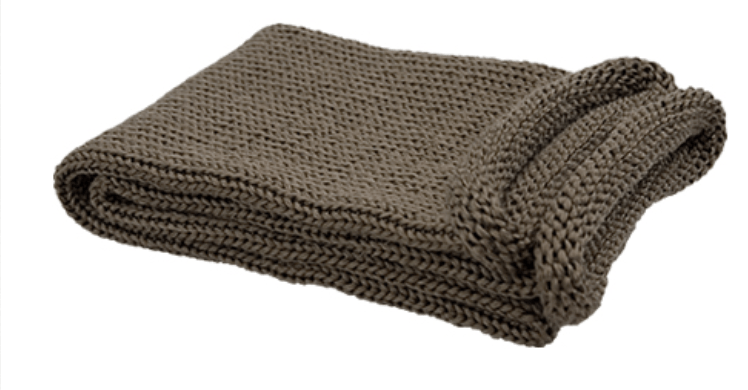
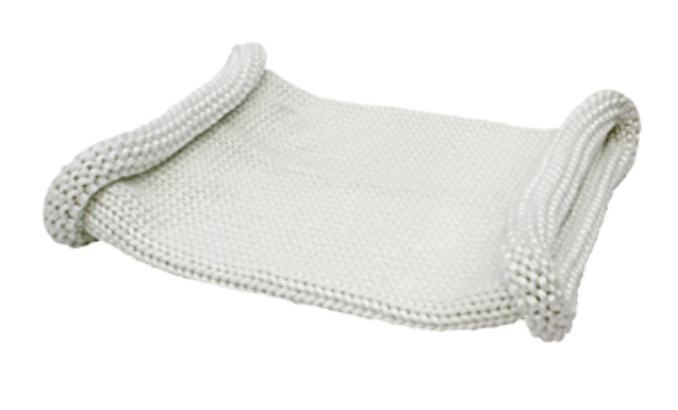
Knitted basalt fibre sleeving provides a flexible textile insulation solution for high-temperature applications.
On 26 July 2013,
Pyroglass Ltd (manufacturer) took part in comparative thermal performance trials on a Euro VI HGV vehicle exhaust system to evaluate the performance of its PGHB.4 knitted basalt sleeving under
normal engine-running conditions and during
exhaust system re-generation.
The trial demonstrated that the PGHB.4 knitted basalt sleeving achieved an average reduction of approximately
53% in measured external surface temperature across three measurement positions under both operating conditions.
This technical guide explains the properties of knitted basalt sleeving, the principles behind the Pyroglass trial, the measurement approach and the significance of the results.
1. Understanding knitted basalt fibre
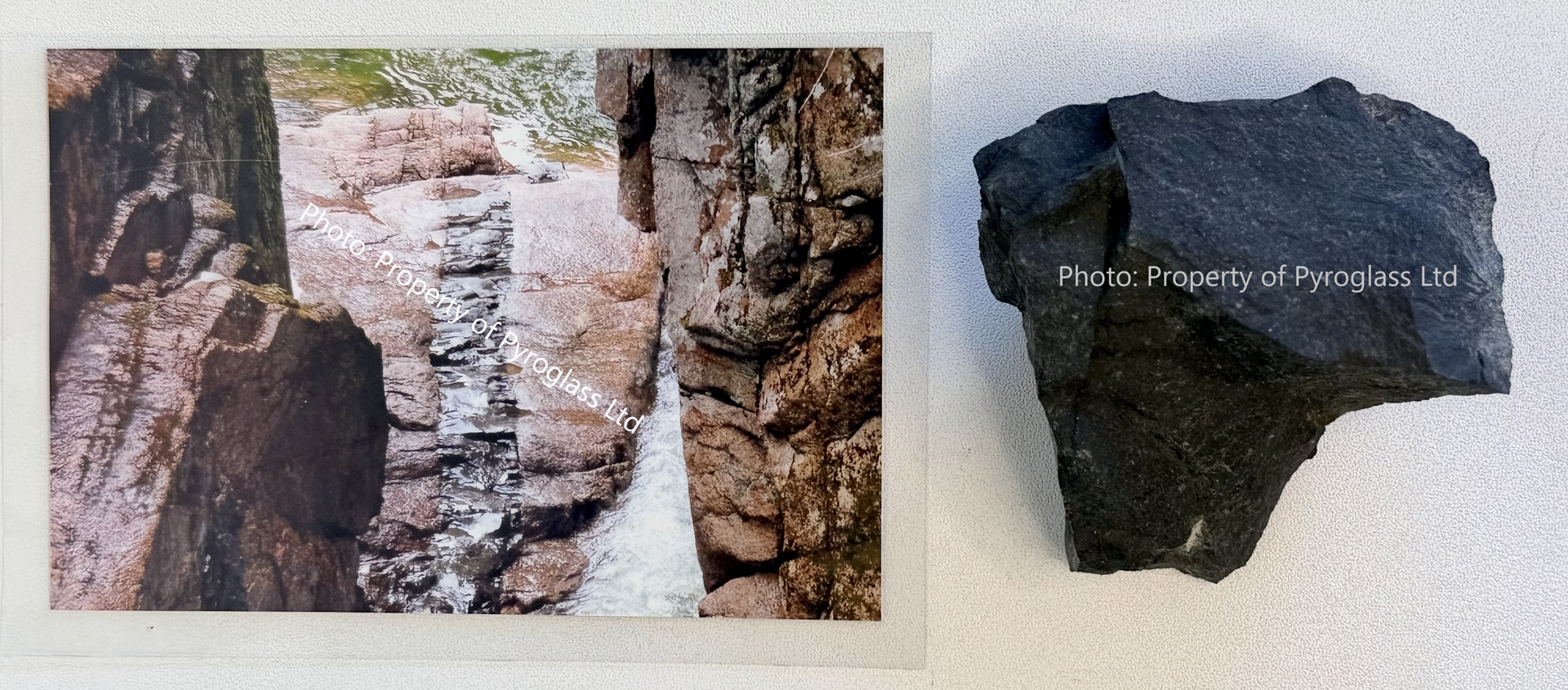
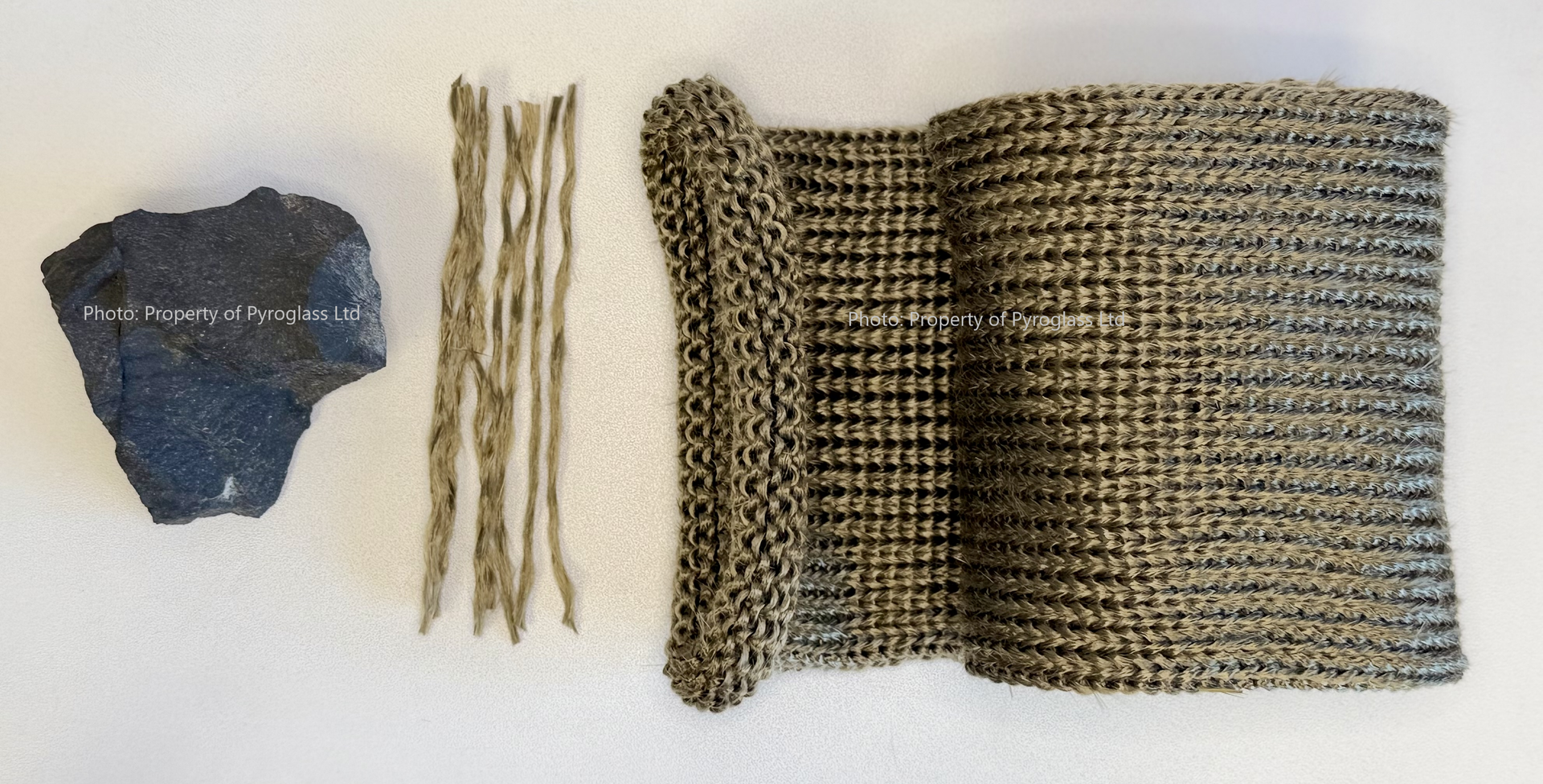
Basalt fibre is produced by melting naturally occurring basalt rock and drawing the molten material into continuous filaments. These filaments can be processed into yarns and converted into textile constructions, including knitted sleeving.
Knitted basalt fibre offers several characteristics relevant to high-temperature exhaust insulation:
- Thermal capability: basalt fibre is suitable for applications involving elevated operating temperatures.
- Flexible construction: the knitted textile structure can accommodate suitable pipework contours, bends and changes in direction.
- Insulating structure: the arrangement of fibres within the knitted construction provides an insulation layer around the exhaust pipe.
- High-temperature suitability: appropriate grades can be specified for demanding industrial and automotive thermal environments.
The knitted construction provides a flexible textile layer around the pipework, helping to restrict heat transfer from the exhaust surface to the surrounding environment.
The actual thermal performance of a finished knitted sleeve depends on its fibre composition, construction, density, thickness and installation. Generic thermal conductivity values for basalt fibre should therefore not be treated as a measured thermal conductivity value for the finished textile product.
2. Why thermal performance testing matters
A material's maximum operating temperature does not, by itself, establish how effectively it insulates a particular application.
Thermal insulation performance is influenced by several factors, including:
- The construction and thickness of the insulation.
- The temperature of the underlying pipework.
- The thermal properties of the fibre and textile structure.
- The geometry and surface area of the exhaust pipe.
- Air movement and surrounding environmental conditions.
- The installation arrangement and contact between the insulation and pipework.
- The duration and intensity of thermal exposure.
For this reason, comparative testing on an actual exhaust system can provide useful application-specific evidence.
Rather than relying solely on generic material properties, the Pyroglass trial assessed the difference between the external surface temperature of knitted basalt sleeving and the adjacent uninsulated exhaust metalwork.
This approach provided a practical comparison of the thermal conditions at the insulated and uninsulated sections of the exhaust assembly.
3. Pyroglass Euro VI exhaust thermal performance trial
Pyroglass Technical Report:
PG-TG-0147
Original trial date:
26 July 2013
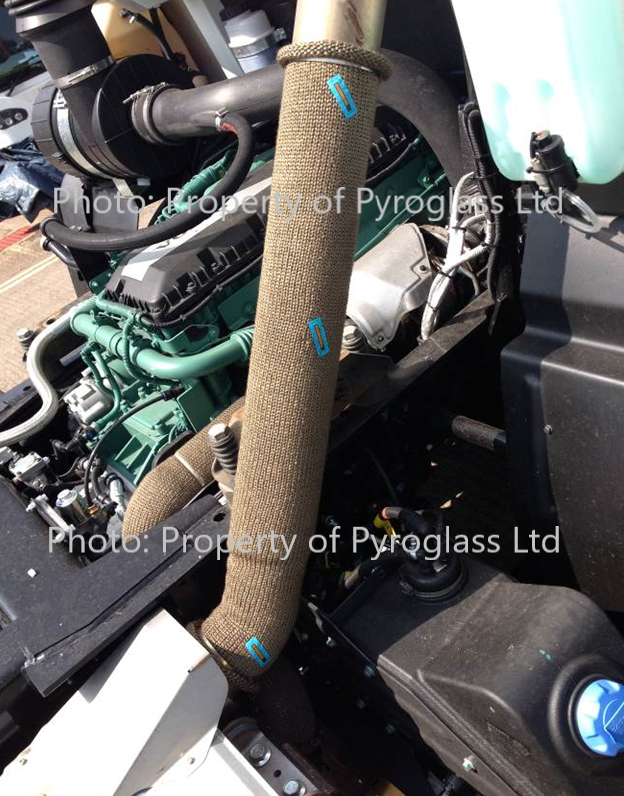
Pyroglass carried out comparative thermal testing on a Euro VI HGV exhaust system to assess the performance of PGHB.4 knitted basalt sleeving under two operating conditions:
- Normal engine running, following stabilisation of engine temperatures.
- During a manually initiated exhaust system regeneration cycle.
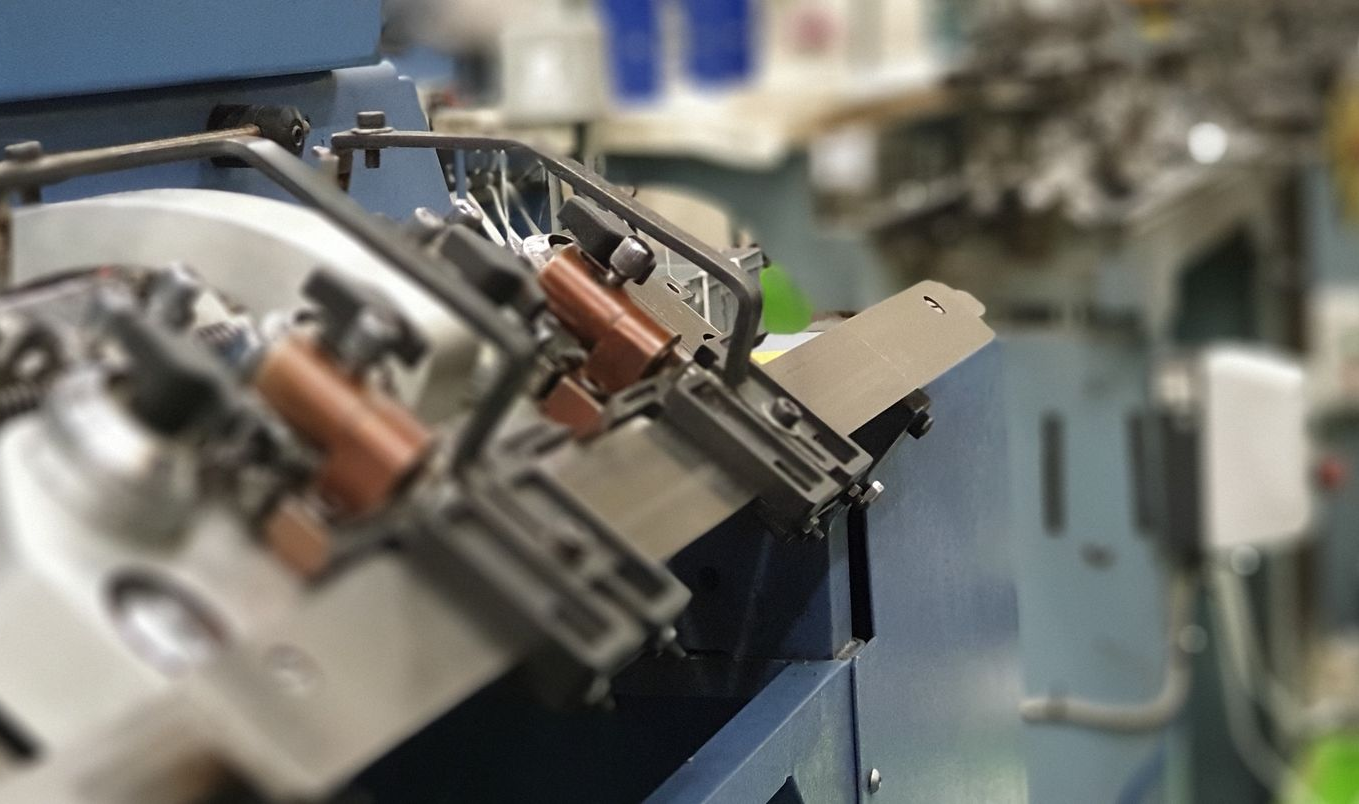
The trial assessed the external surface temperatures of the sleeving and the adjacent metal exhaust pipework.
Measurements were taken at three positions along the insulated exhaust section:
Taking measurements at three positions allowed the temperature profile to be assessed along the insulated section, rather than relying on a single measurement location.
Test equipment
The equipment used during the trial included:
- Handheld thermocouple measuring device: reference NN1033.
- Thermocouple probe: used to measure the external surface temperatures of the sleeving and adjacent exhaust metalwork.
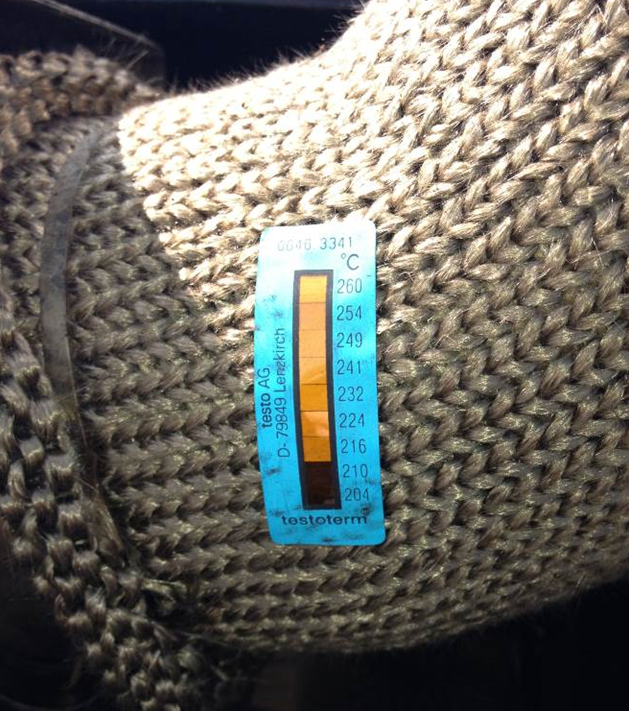
- Temperature indicator strips: RS Components part number 191-5874, with a specified indication range of 204°C to 260°C.
4. Comparative thermal performance results
The purpose of the trial was to establish the difference between the external surface temperatures of insulated and uninsulated exhaust pipework under the two operating conditions.
The thermocouple measurements demonstrated a substantial reduction in external surface temperature when knitted basalt sleeving was fitted.
The calculated average of the three position-specific percentage reductions was:
Operating condition: Normal engine running
Average reduction in external surface temperature:
52.8%
Operating condition: During exhaust regeneration
Average reduction in external surface temperature:
53.0%
These figures were calculated by comparing the corresponding insulated and uninsulated readings at each of the three measurement positions, then taking the arithmetic mean of the three individual percentage reductions.
The results demonstrate that
PGHB.4 knitted basalt sleeving provided a substantial reduction in measured external surface temperature during both operating conditions.
Importantly, the trial also showed that the insulation continued to provide a significant thermal barrier during the increased-temperature conditions associated with exhaust regeneration.
Understanding the temperature measurements
The measurements obtained during the trial relate to the external surface of the knitted sleeving and the adjacent metal exhaust pipework.
They are not measurements of the temperature of the exhaust gases flowing inside the pipe.
The results should therefore be understood as evidence of reduced external surface temperature, rather than a quantified reduction in internal exhaust gas temperature or a direct measurement of the total heat retained within the exhaust system.
This distinction is important when interpreting thermal performance data and comparing different insulation constructions.
5. The significance of testing during exhaust regeneration
DPF regeneration is a particularly relevant operating condition when assessing insulation for modern diesel exhaust systems.
A diesel particulate filter (DPF) progressively accumulates soot during vehicle operation. Regeneration is the process by which the vehicle's engine management system increases exhaust temperatures to facilitate the oxidation of accumulated soot within the filter.
During active regeneration, additional fuel injection or other engine-management strategies may be used to raise exhaust temperatures. The exact method and operating temperatures depend on the vehicle and after-treatment system design.
This creates periods of increased thermal exposure for exhaust pipework and surrounding components.
Testing during a manually initiated regeneration cycle allowed Pyroglass to assess the performance of the knitted basalt sleeving under a more demanding operating condition than normal engine running alone.
The comparative results demonstrated that the insulation continued to provide a
substantial reduction in external surface temperature during this regeneration assessment.
For engineers specifying exhaust insulation, this is an important consideration because thermal performance needs to be evaluated across the intended operating conditions, not simply at a single steady-state temperature.
6. Interpreting thermal performance trial results
When assessing thermal insulation materials, it is important to understand what a comparative test can and cannot establish.
The Pyroglass trial provides application-specific evidence of the difference in external surface temperature between knitted basalt sleeving and adjacent uninsulated exhaust metalwork on the vehicle tested.
The results do not, on their own, establish:
- A universal percentage reduction for every exhaust installation.
- A quantified reduction in internal exhaust gas temperature.
- A direct improvement in DOC, DPF or SCR conversion efficiency.
- A measured reduction in vehicle emissions or fuel consumption.
- Identical performance across different exhaust geometries, vehicle types or operating conditions.
Actual performance will depend on the product construction, installation and operating environment.
For this reason, comparative testing should always be interpreted in the context of the equipment, measurement locations and conditions under which it was undertaken.
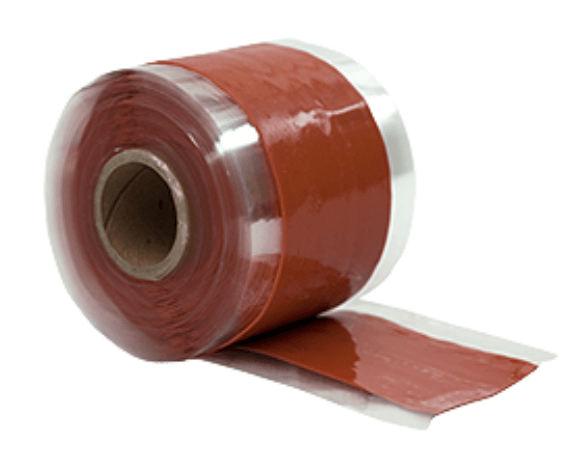
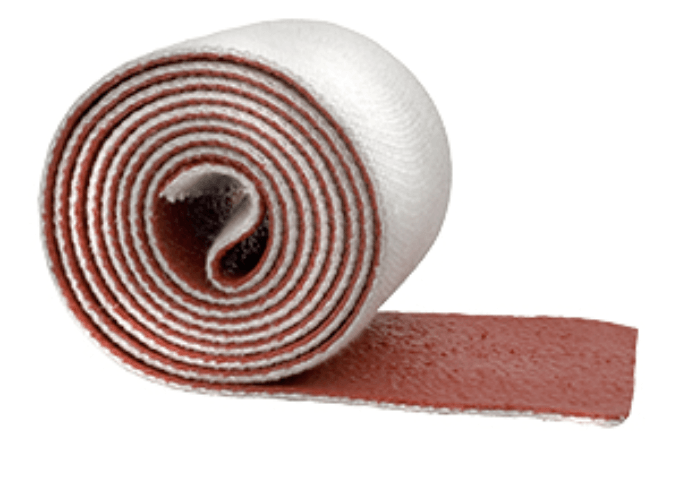
7. Pyrosleeve PGHB.4 knitted basalt sleeving
Pyrosleeve PGHB.4 brings together the thermal capability of basalt fibre and a flexible knitted textile construction.
Its principal characteristics include:
For HGV exhaust applications, the sleeving is fitted externally around suitable exhaust pipework. The precise installation position must be determined according to the exhaust-system configuration and vehicle manufacturer's requirements.
Consideration should be given to operating temperatures, bends, joints, quality of welds, clearances, vibration, mechanical movement and the proximity of heat-sensitive components.
The
750°C continuous operating temperature rating describes the product's stated temperature capability. It should not be interpreted as a guarantee of suitability for every exhaust installation or as a statement of the maximum temperature of the complete exhaust system.
8. British manufacturing and engineering experience
Pyrosleeve specialises in a range of high-temperature textile products manufactured by
Pyroglass Ltd, an independently owned British manufacturer established in 1987.
Based in Lancashire, Pyroglass designs and manufactures high-temperature textile solutions for demanding industrial applications.
The company's experience includes the development and manufacture of
knitted,
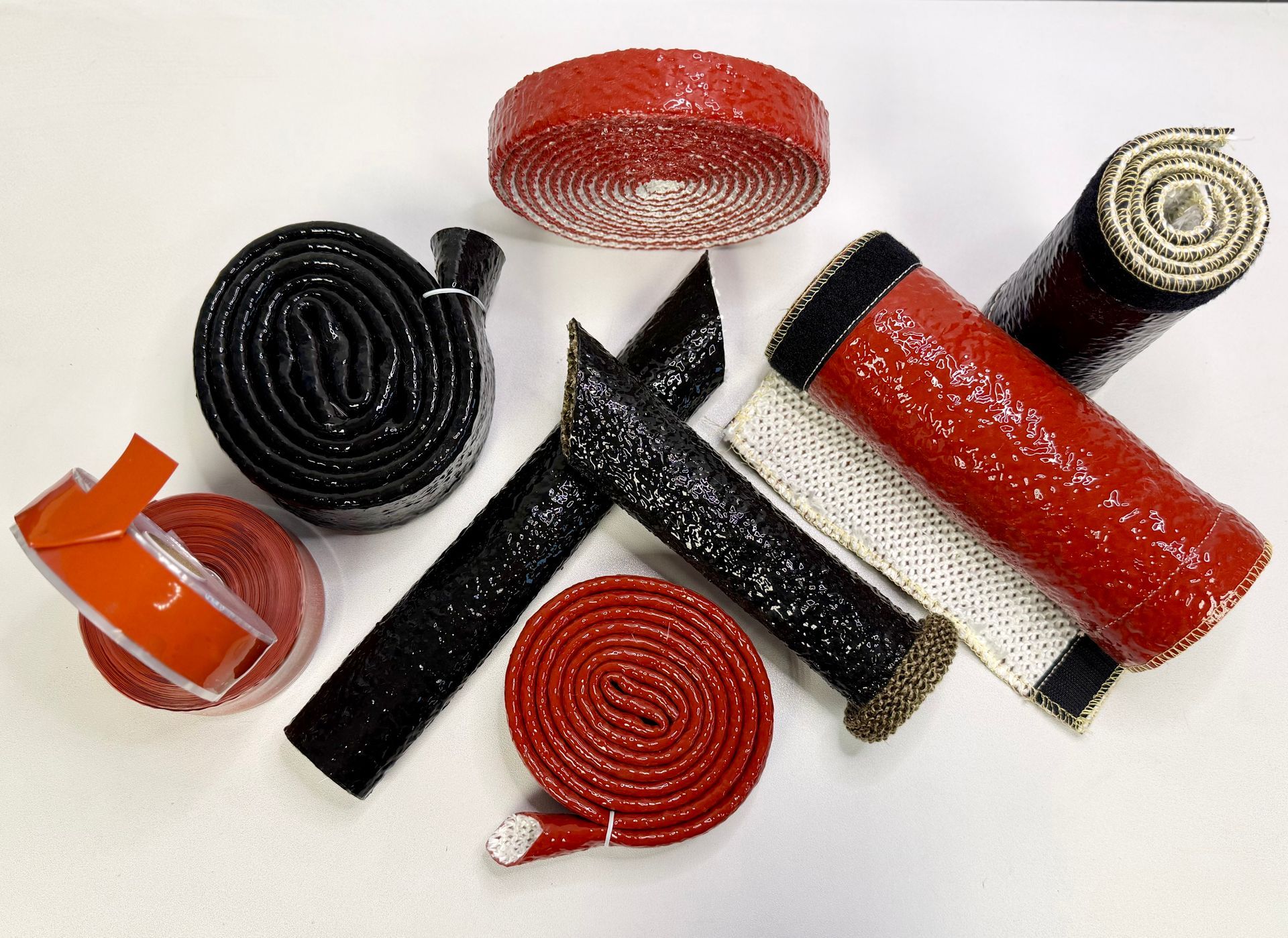
coated firesleeves and other
specialist textile constructions for applications where thermal protection and high-temperature performance are important.
The 2013 Euro VI HGV comparative trial forms part of Pyroglass's technical history in assessing the performance of its high-temperature textile products in practical applications.
Further information about the product and its applications is available on the [Pyroglass Vehicle Exhaust Insulation Sleeves page].
Conclusion
Thermal performance testing provides valuable evidence when selecting insulation materials for high-temperature exhaust applications.
Pyroglass's comparative trial, carried out on a Euro VI HGV exhaust system on 26 July 2013, demonstrated that its knitted basalt sleeving achieved an average reduction of approximately
53% in measured external surface temperature across three measurement positions, under both normal engine-running and exhaust regeneration conditions.
The trial highlights the importance of assessing insulation performance under realistic operating conditions and measuring the difference between insulated and uninsulated pipework.
For engineers considering knitted basalt sleeving for high-temperature applications,
Pyrosleeve PGHB.4 offers a flexible textile insulation construction with a 4 mm wall thickness and a continuous operating temperature rating of up to
750°C.
The original comparative trial was undertaken by Pyroglass Ltd and is recorded under technical report reference PG-TG-0147.
For further technical information about Pyrosleeve PGHB.4, contact
Pyroglass Ltd.
Technical report reference and intellectual property notice:
Pyroglass Technical Report: PG-TG-0147
Thermal Performance of Knitted Basalt Sleeving – EU VI HGV Comparative Trial
Original trial date: 26 July 2013.
© Pyroglass Ltd. All rights reserved.
The original comparative trial described in this guide was undertaken by Pyroglass Ltd.
The technical report reference PG-TG-0147 identifies this specific Pyroglass trial and its associated technical records.
The original written content, photographs, diagrams, illustrations and other original materials within this guide are protected by applicable
intellectual property and
copyright laws.
No permission
is granted to reproduce, republish, adapt or present Pyroglass's original written content, photographs, diagrams or other protected materials as the work of another organisation.
The original test records, supporting measurement data and associated technical documentation are retained by Pyroglass Ltd. Any request to reproduce or use Pyroglass's original materials must be submitted to Pyroglass Ltd for written permission.
The trial findings must not be misrepresented or attributed to another manufacturer or organisation. Reference to the Pyroglass trial does not establish that another supplier's product has undergone the same testing or achieved equivalent results.